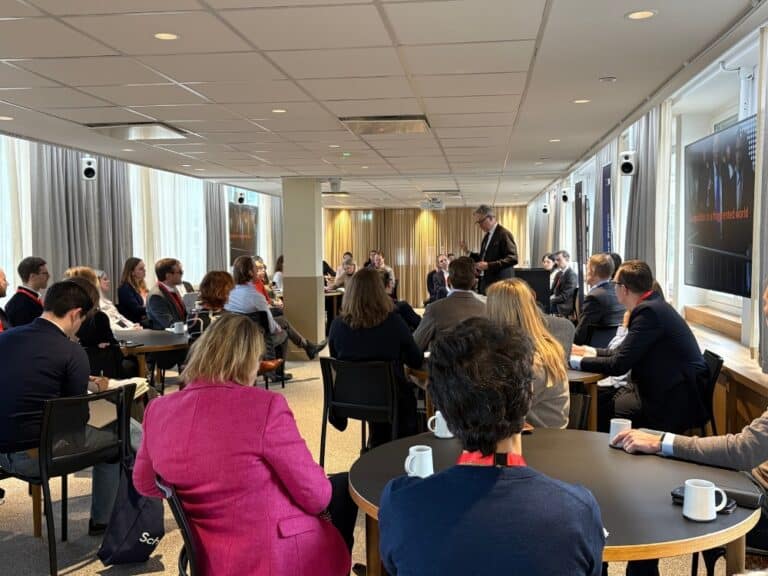
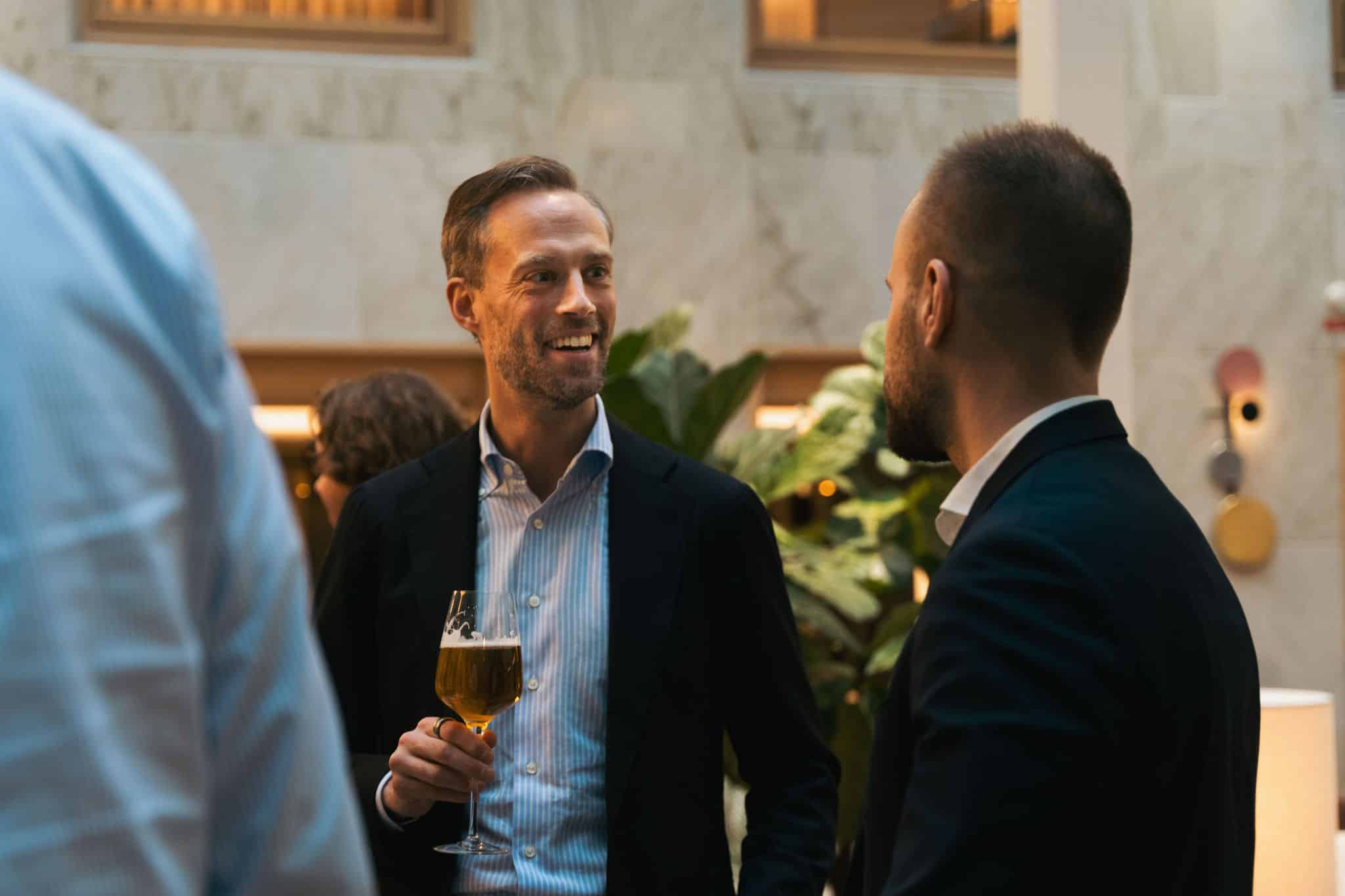
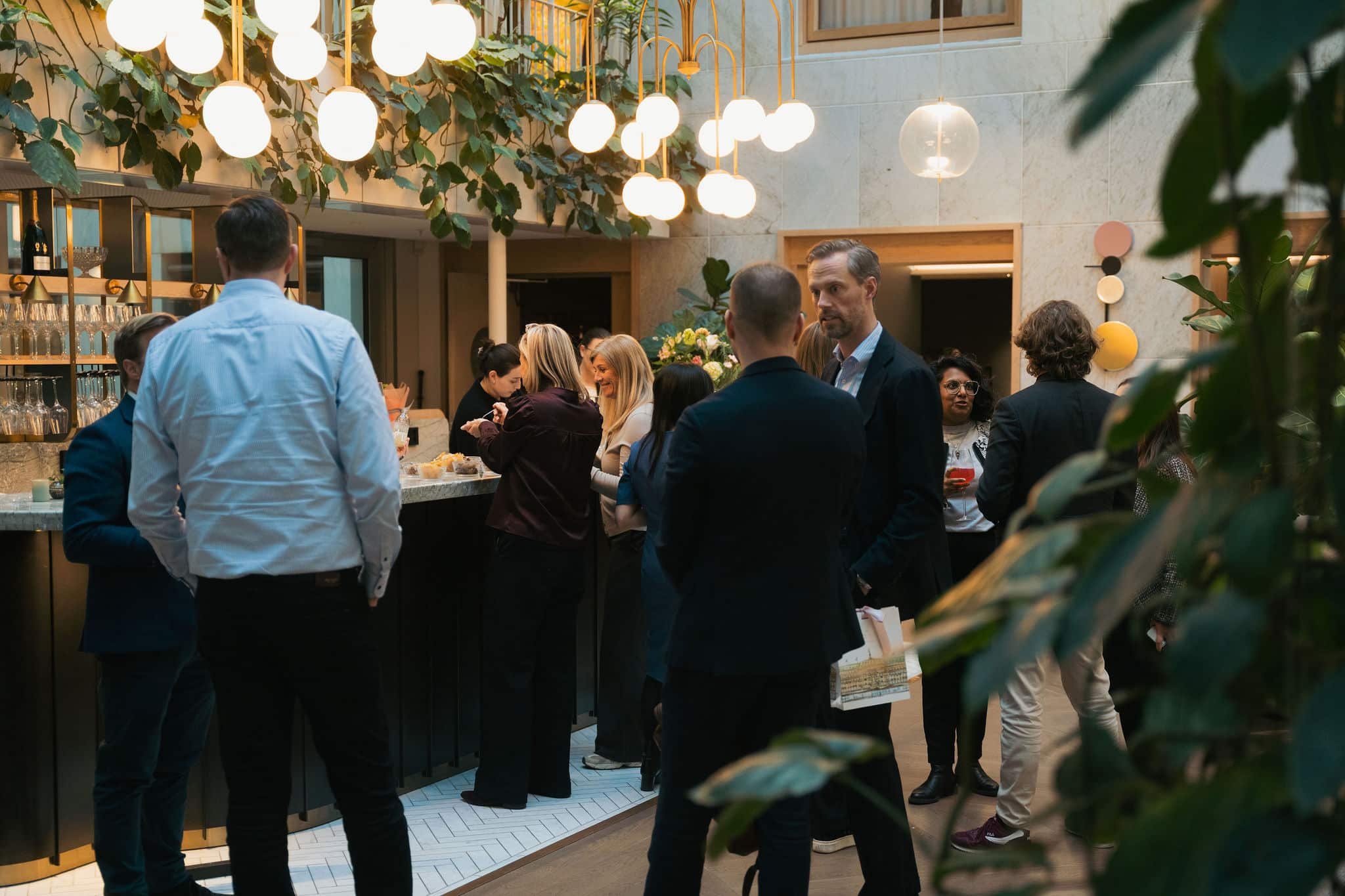
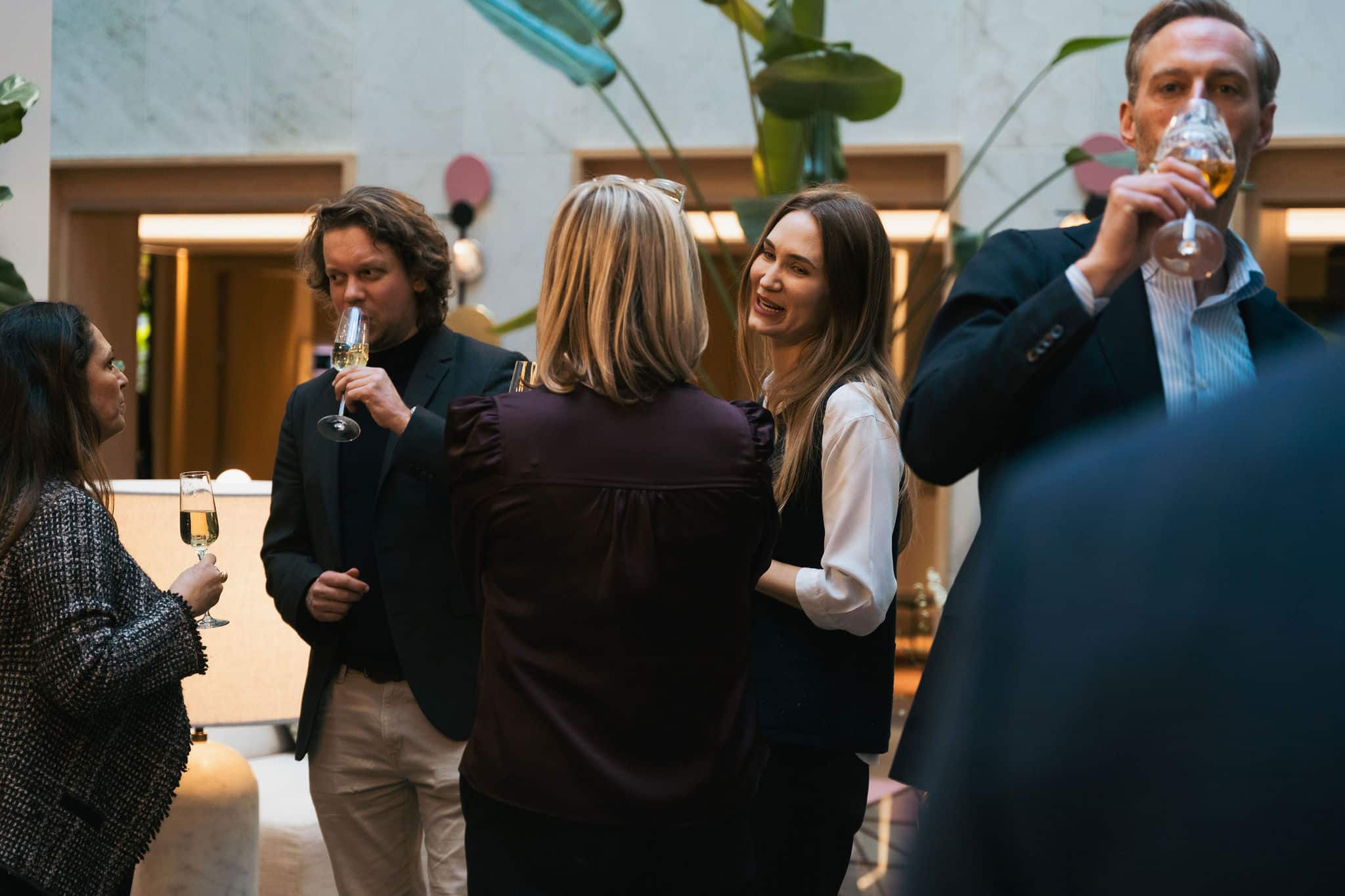
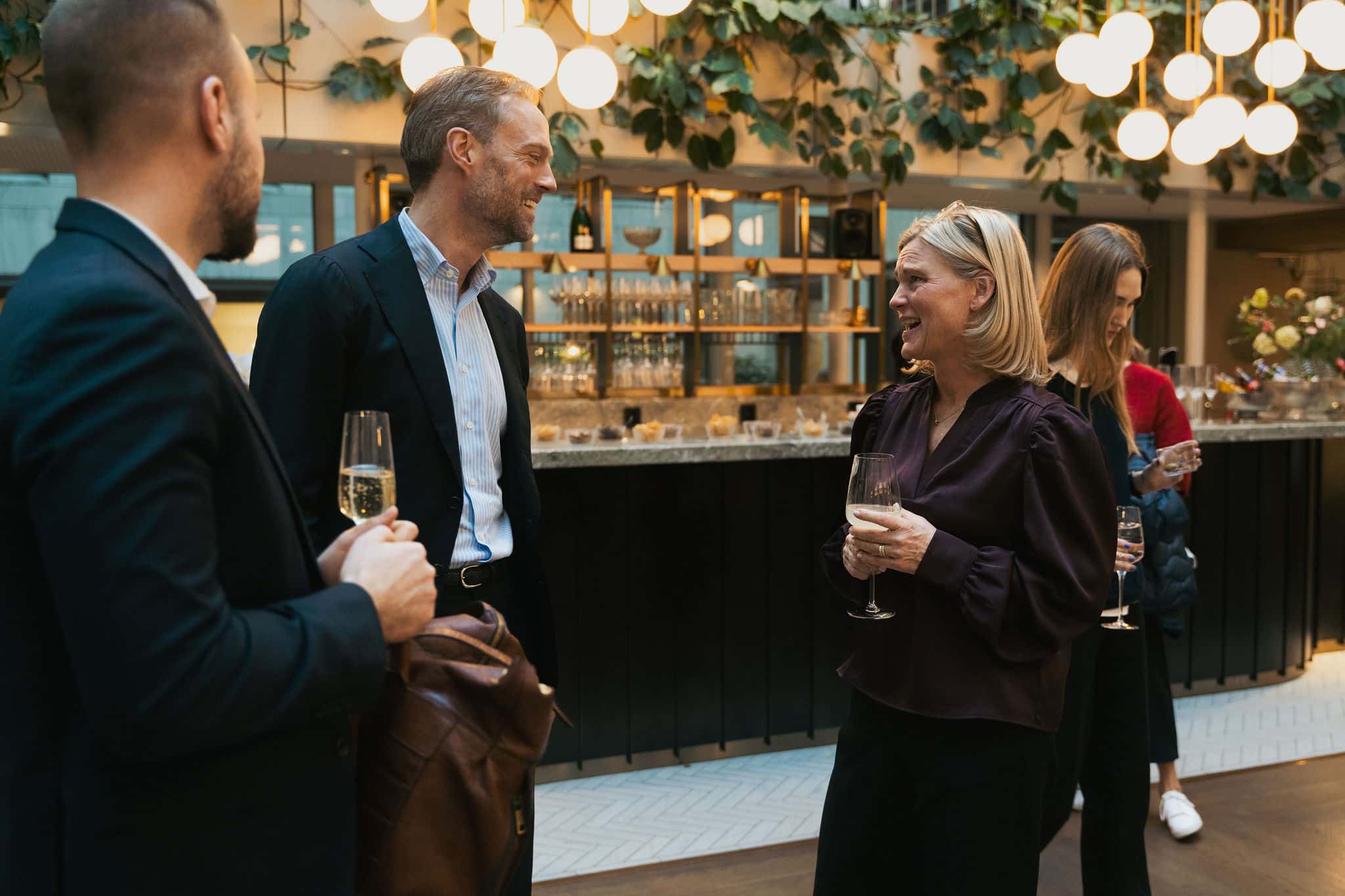
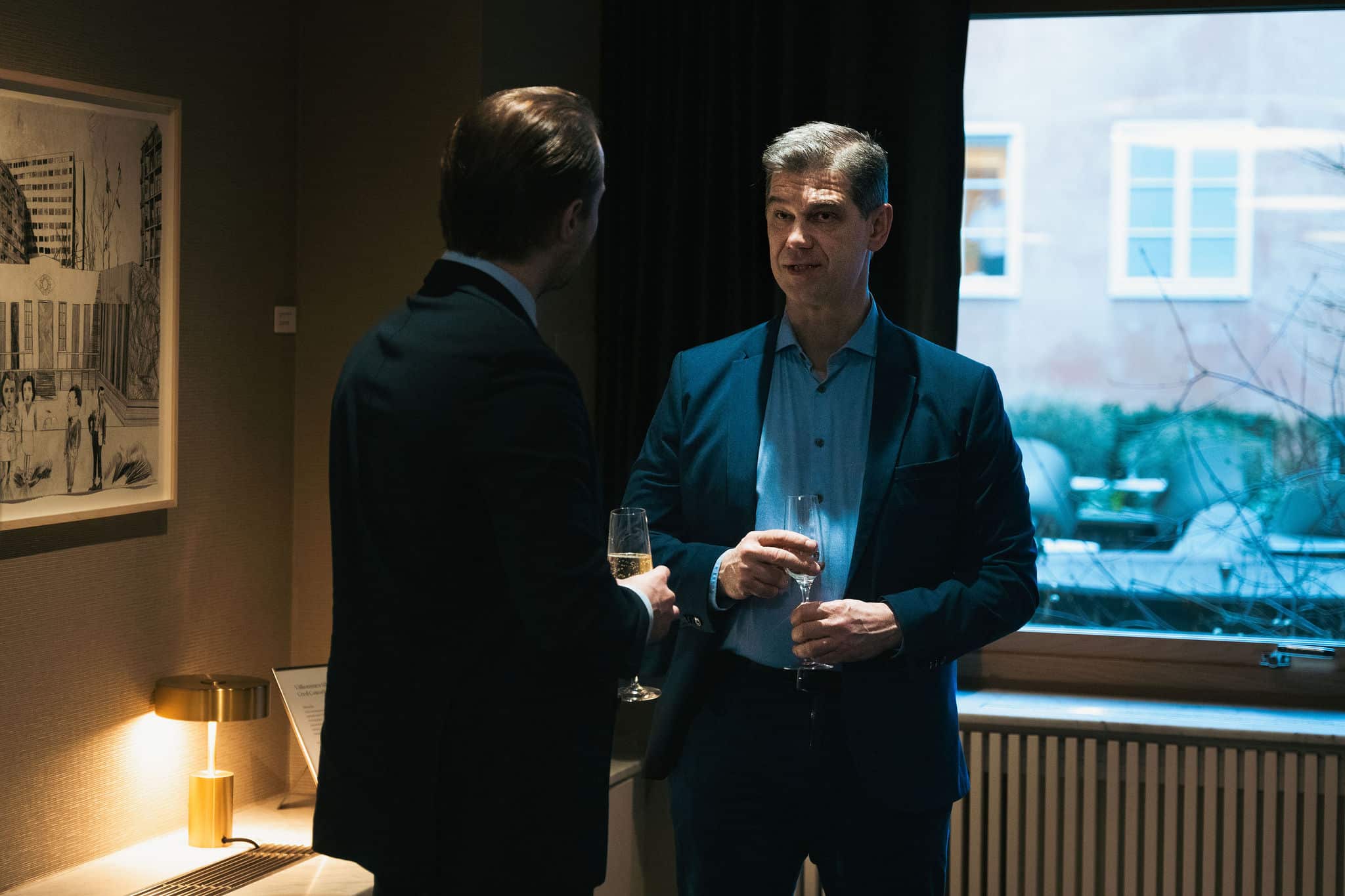
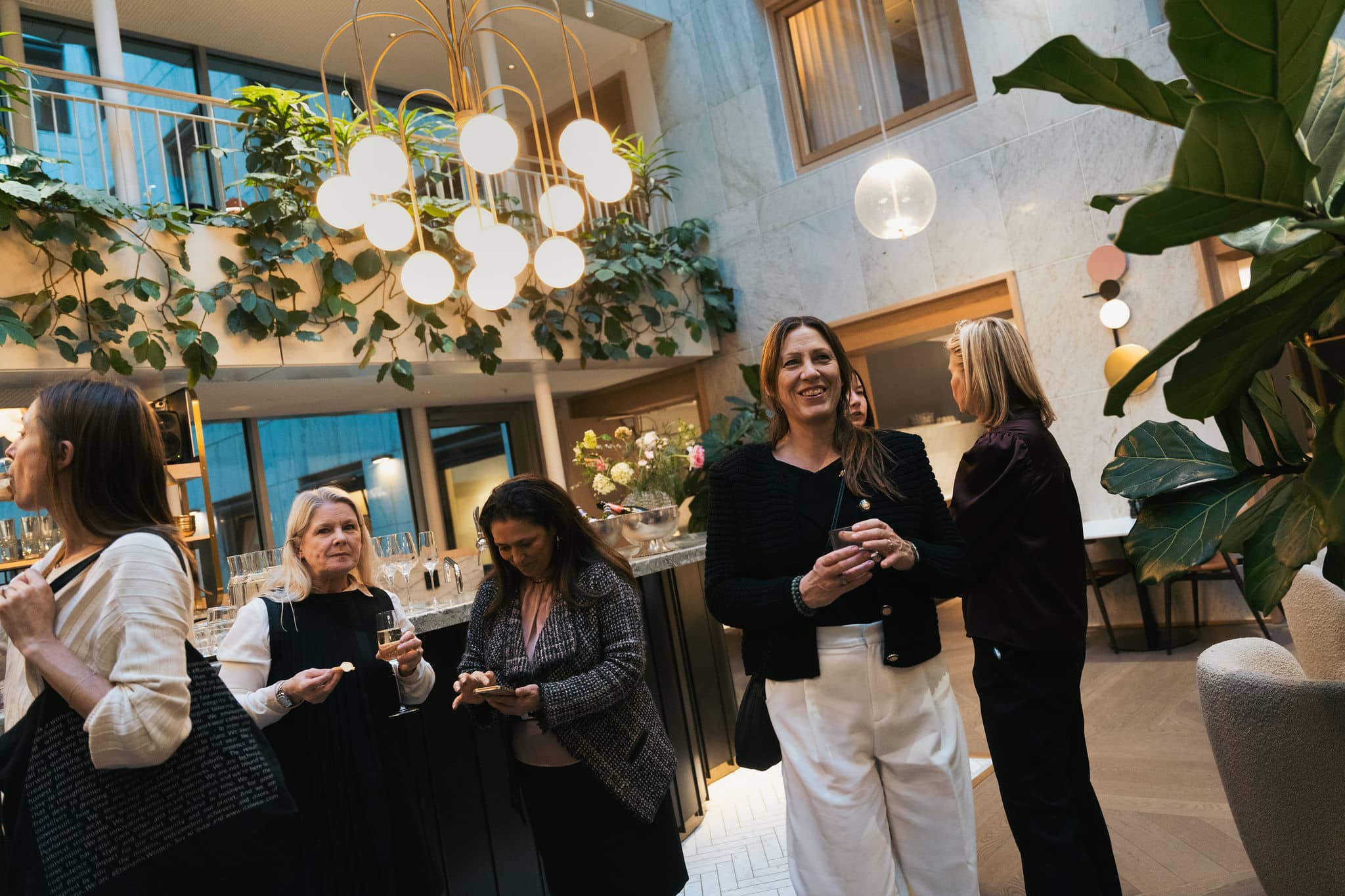
Den 19 februari 2026 anordnade vi ett seminarium med Jakob Hallgren, direktör på Utrikespolitiska institutet. Han pratade om hur investerare och kapitalflöden påverkas av ett allt mer fragmenterat geopolitiskt landskap och vilka risker, men också möjligheter som uppstår när säkerhet, klimat, handel och politik i allt högre grad vävs samman.
Swesifs årskrönika 2025 – Ett år av kunskap, riktning och utveckling

Vi ser tillbaka på 2025 och summerar ett formativt år för Swesif. Med en ny organisation och två anställda på plats har vi fortsatt att stärka vår roll som Sveriges största forum för hållbara investeringar genom vårt växande nätverk av engagerade medlemmar. Året har präglats av kunskapsdelning, fördjupad samverkan och ett omfattande strategiarbete som nu lägger grunden för Swesifs långsiktiga utveckling.
”Under året har Swesif tagit viktiga steg i att bygga en egen, robust organisation, med fortsatt fokus på innehåll som är relevant, aktuellt och vetenskapligt förankrat. Det ger oss en stark grund att stå på när vi nu ser fram emot nästa fas; att fortsätta utveckla och skala upp vårt arbete för hållbara investeringar.”
– Jennie Ahrén, Ordförande, Swesif
Ett innehållsrikt år med tio event
Totalt arrangerade Swesif tio event under 2025. Seminarierna reflekterade såväl bredd som fördjupning inom hållbara investeringar och täckte bland annat:
- Dark and Light Green – A Study of European Fund Holdings – presentation av forskaren Mark Sanctuary om hållbara fonders verkliga påverkan.
- Våld och övergrepp i värdekedjor – webbinarium tillsammans med Kvinna till Kvinna på Internationella kvinnodagen.
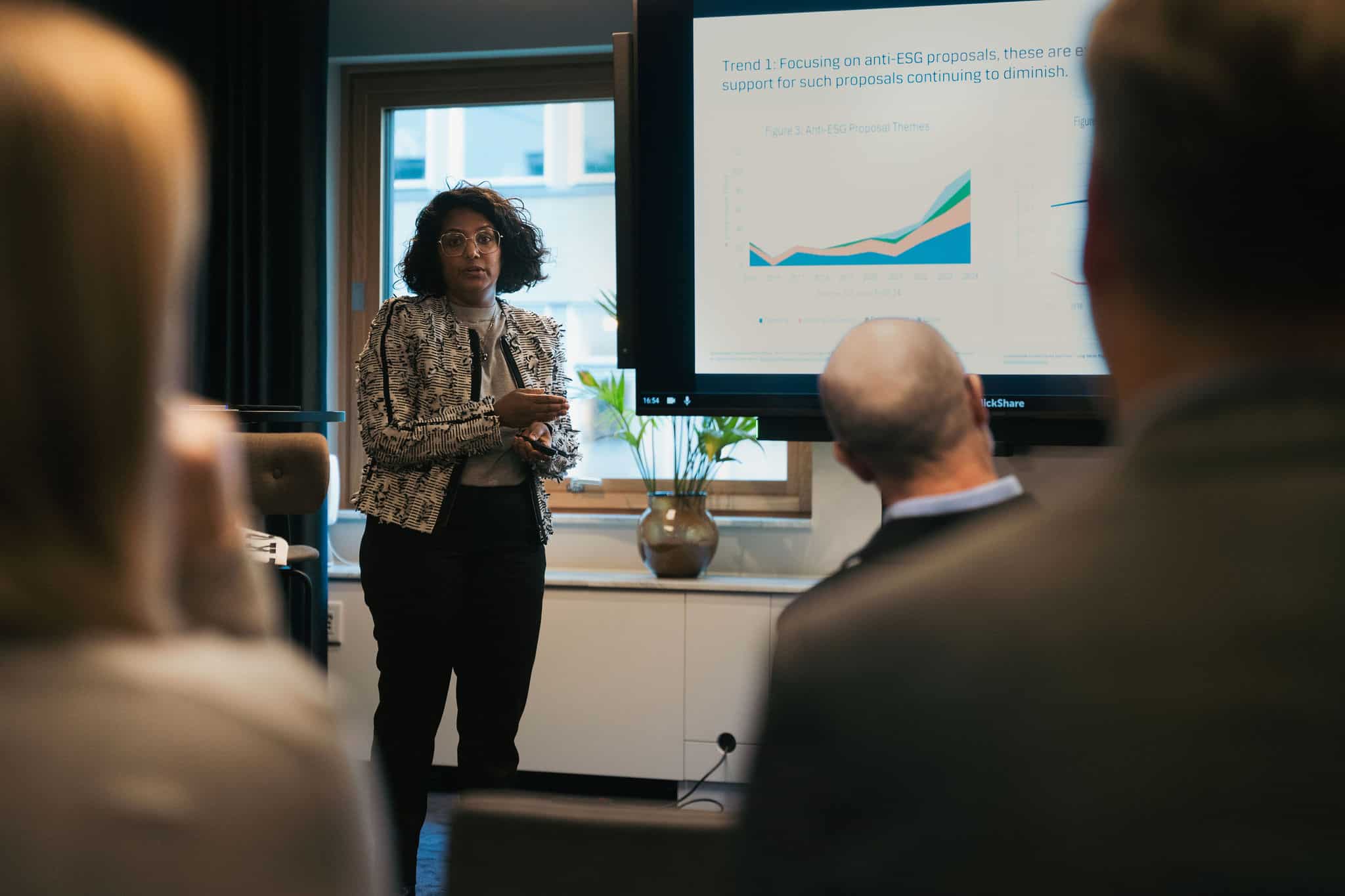
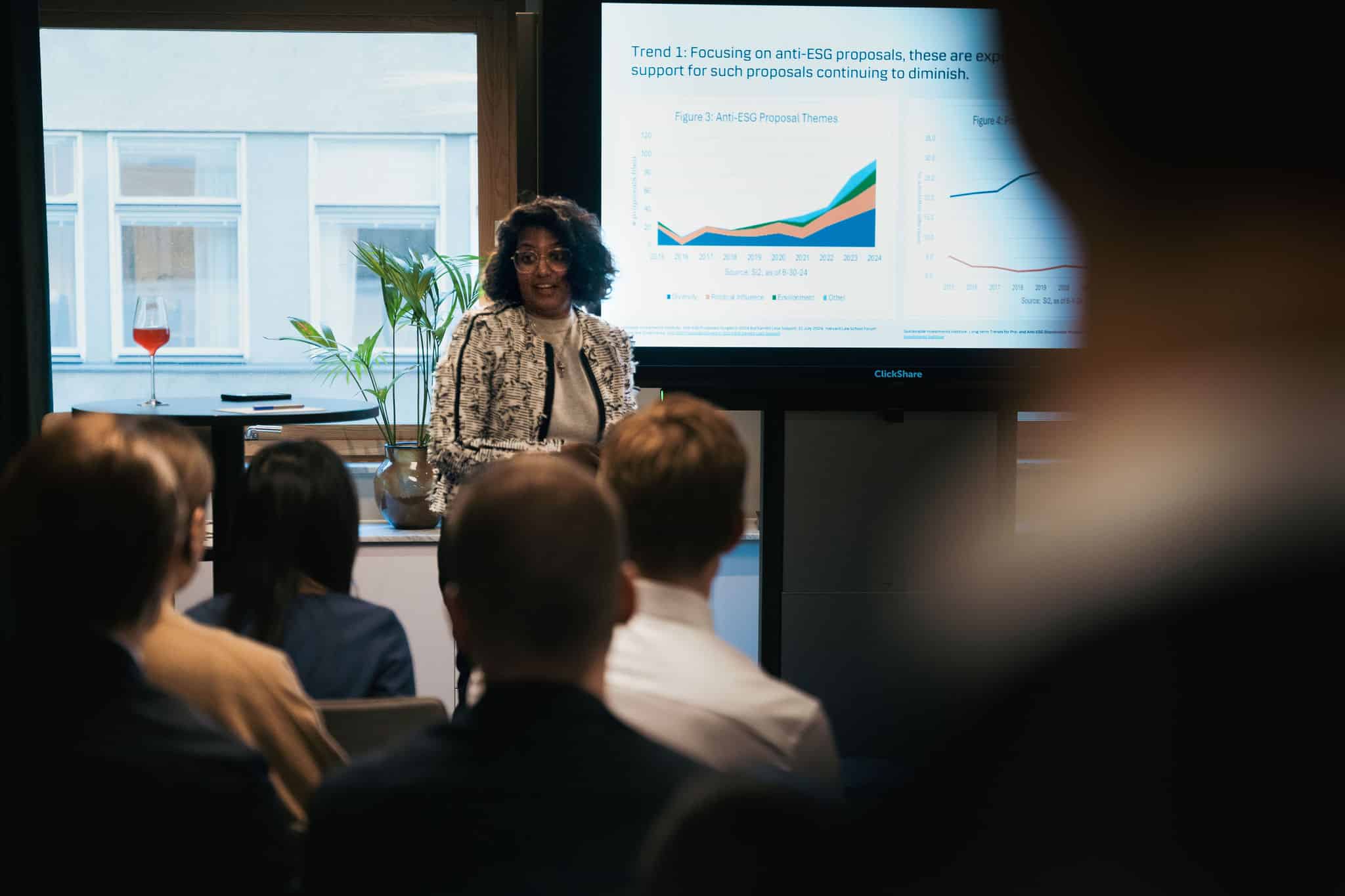
- Trenderna från röstningssäsongen – presentation av Oshni Arachchi, Global Head of Active Ownership och Head of Responsible Investment (Sverige) på Danske Bank.
- PCAF – Partnership for Carbon Accounting Financials - om utvecklingen av utsläppsredovisning i den finansiella sektorn.
- Doing Business within Planetary Boundaries - professor Beatrice Crona om investerares roll i förhållande till planetens gränser.
- Impact Investing & Returns - forskning och erfarenheter presenterade av Schroders och Svenska kyrkan.
- Hållbara investeringar i en ny geopolitisk verklighet - med Anette Andersson, ESG Specialist på SEB Asset Management och Madelene Rydén, Stategisk rådgivare på SOFF.
- Active ownership in a global context - en presentation av Dr. Emilio Marti.
- The Forthcoming Review of SFDR – med Aleksandra Palinska (Eurosif) och Angelica Thornquist Lavicka (Fondbolagens förening).
Årsstämma och förstärkt kompetens i styrelsen
På årets stämma tackade vi av tre styrelseledamöter; Per Josephson (Harvest Advokatbyrå), Lingyi Lu (Söderberg & Partners) samt Victoria Lidén (Storebrand) som gick på föräldraledighet. I samband med det välkomnade vi även in tre nya styrelseledamöter i styrelsen: Nikolay Burdakov (Odin Fonder), Emma Sjöström (AP7) och Anette Andersson (SEB Investment Management). De kompletterar den befintliga styrelsen och var ett välkommet tillskott i samband med planeringen av NordicSIF som Swesif stod värd för 2025.
NordicSIF 2025 – årets höjdpunkt
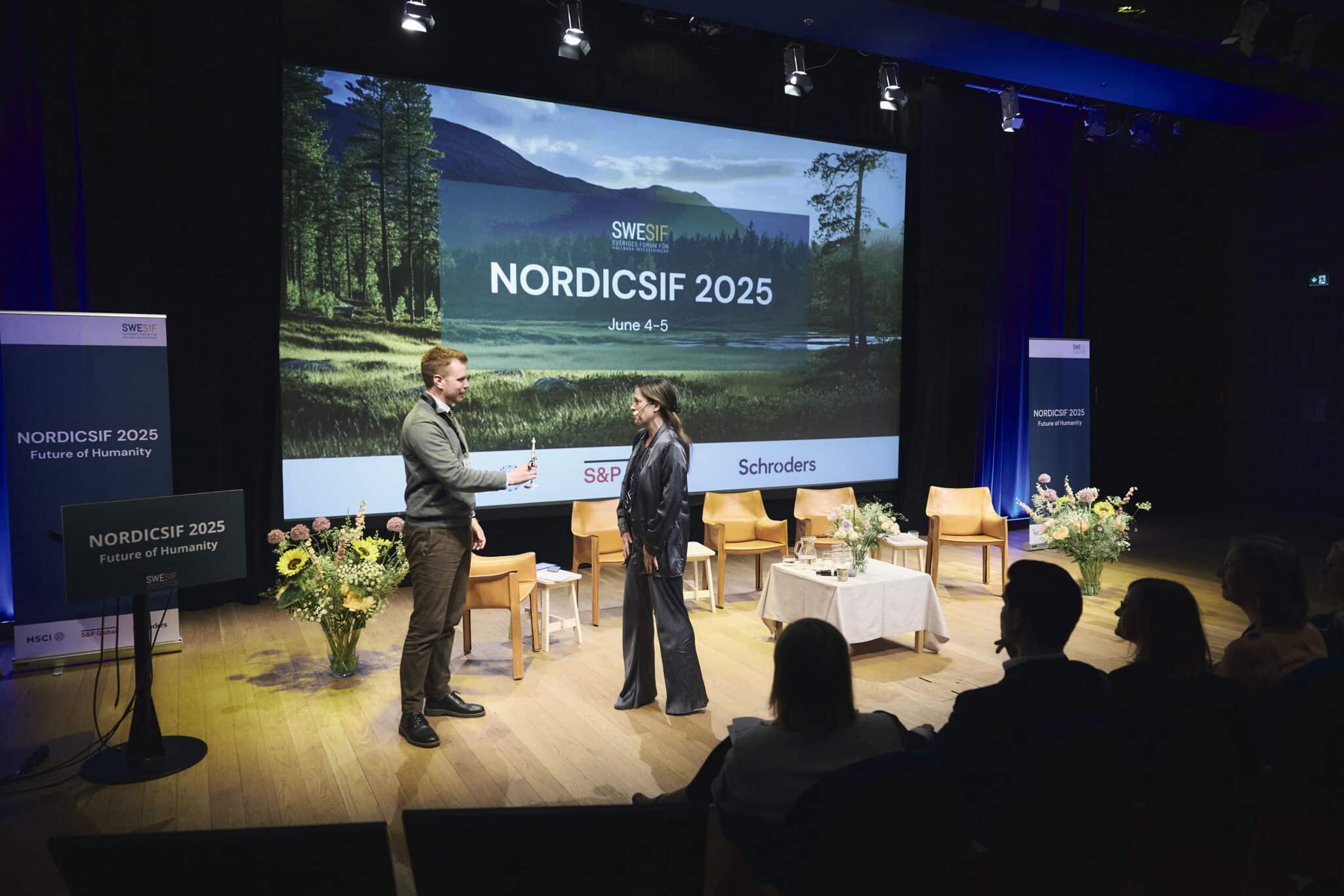
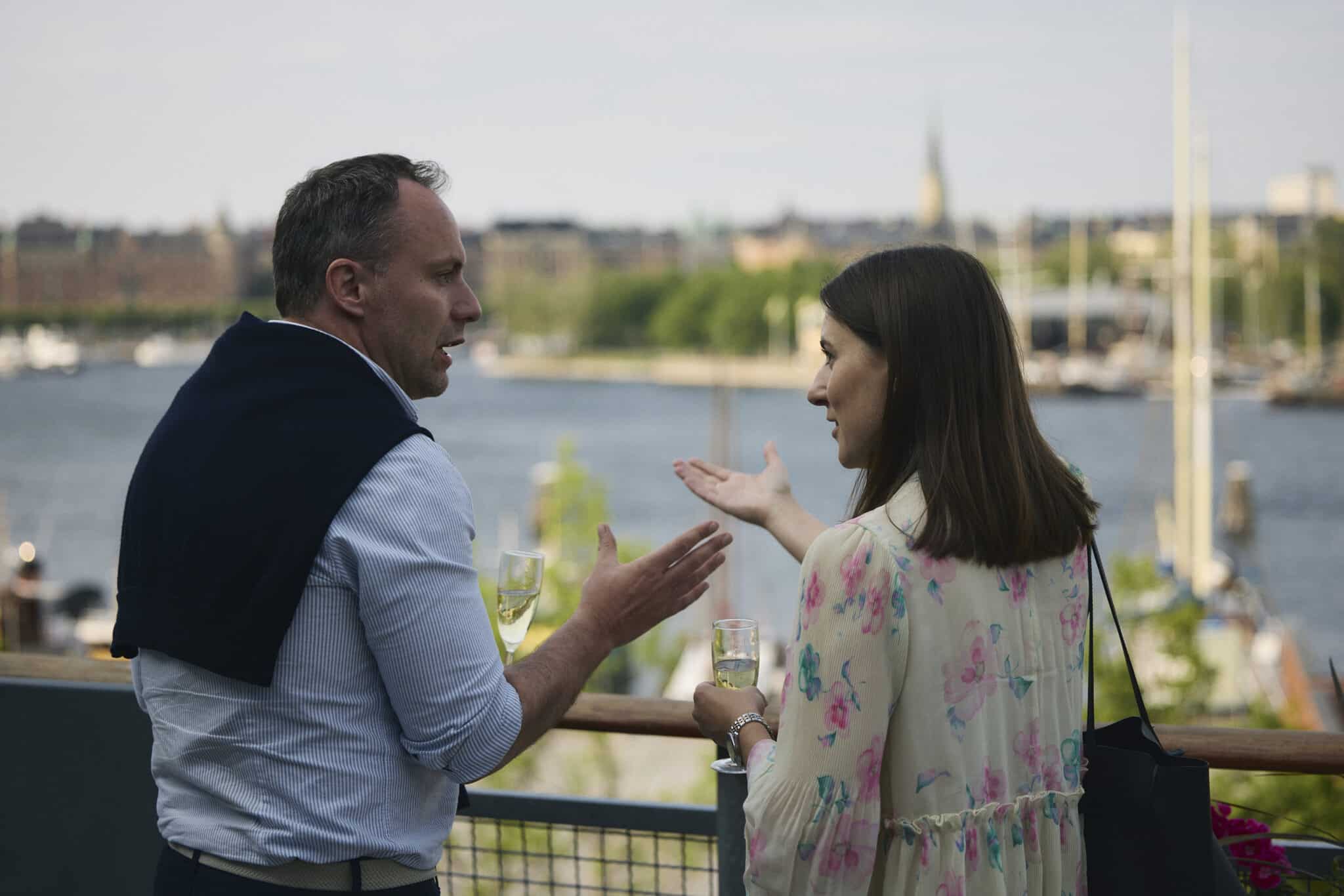
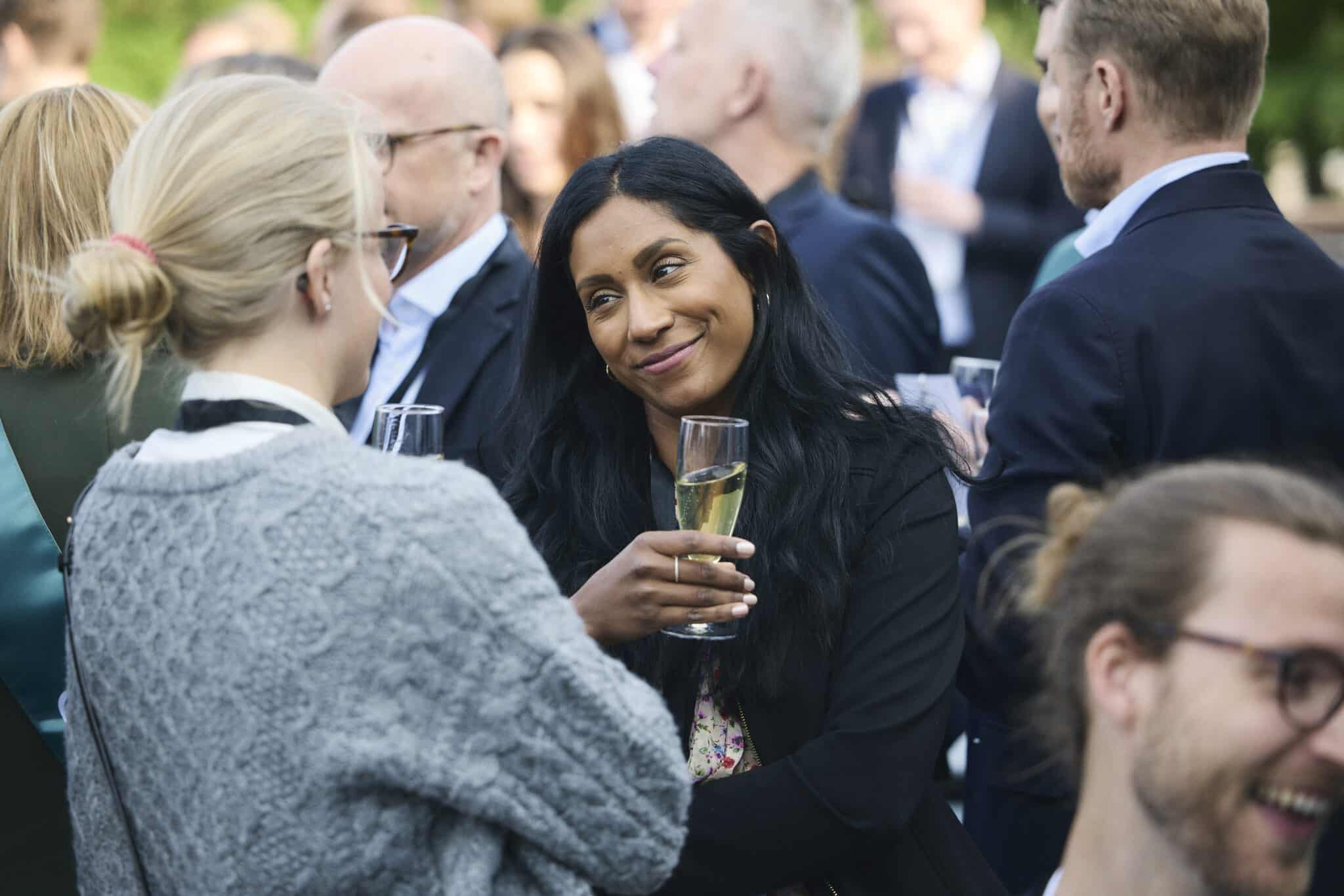
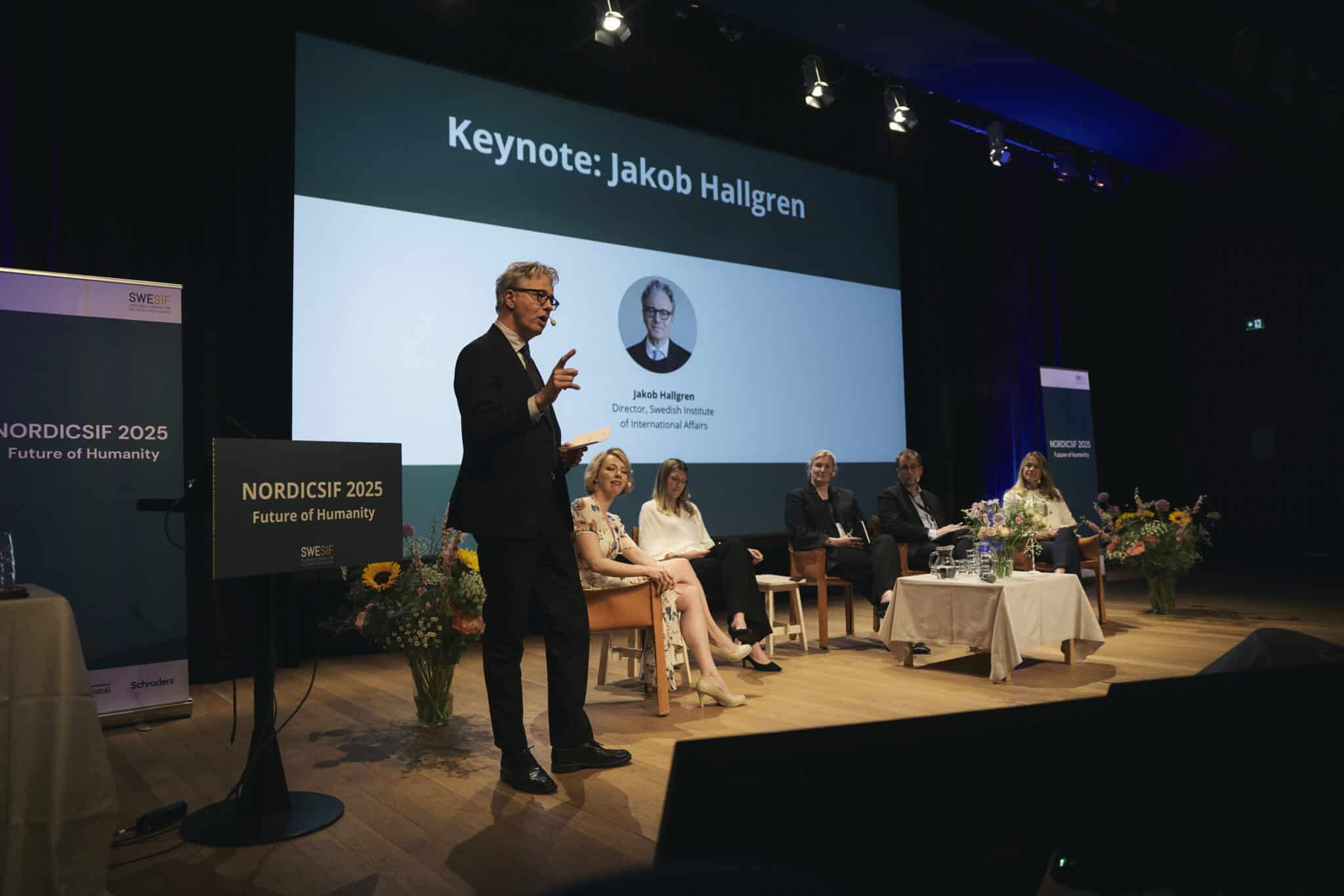
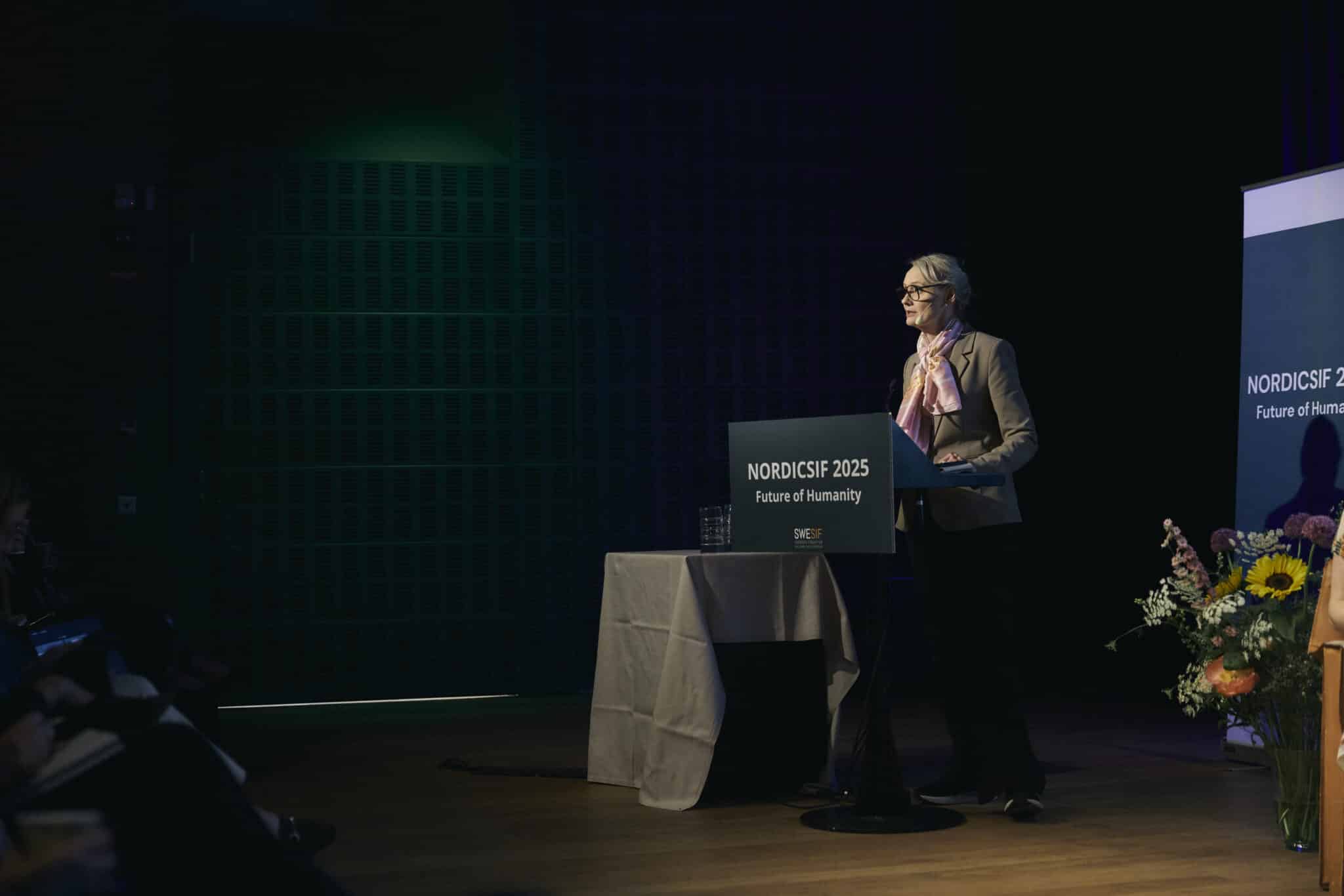
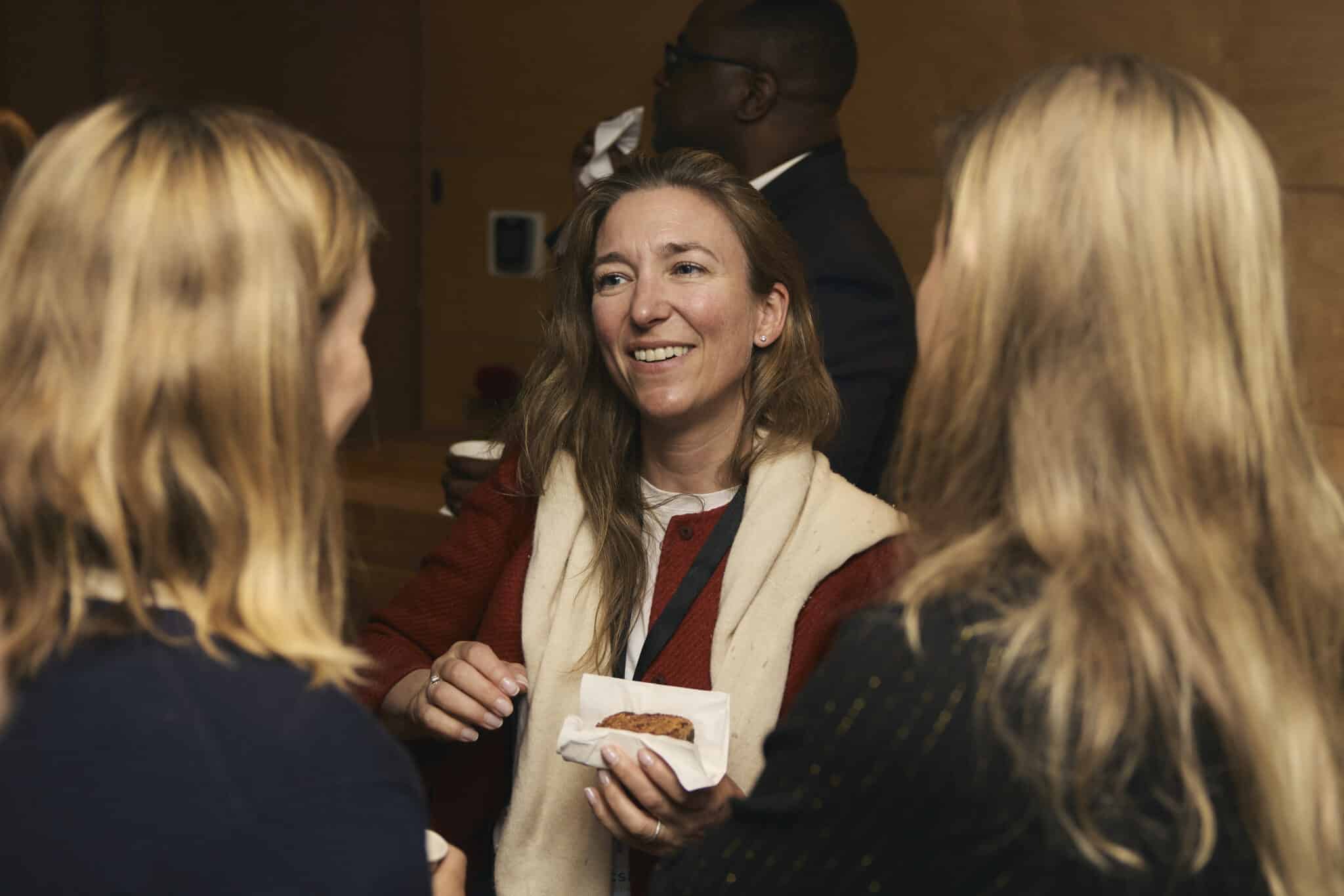
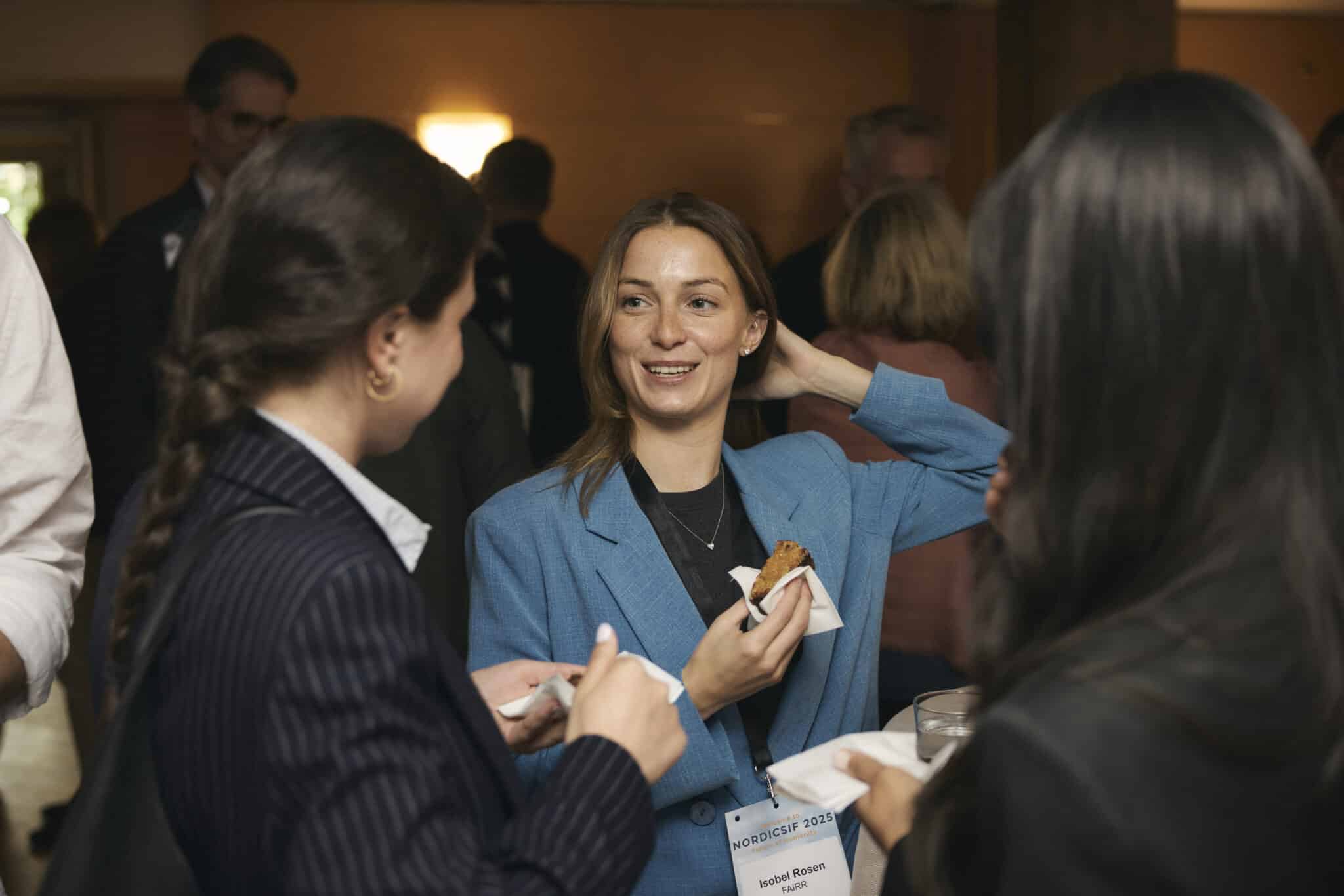
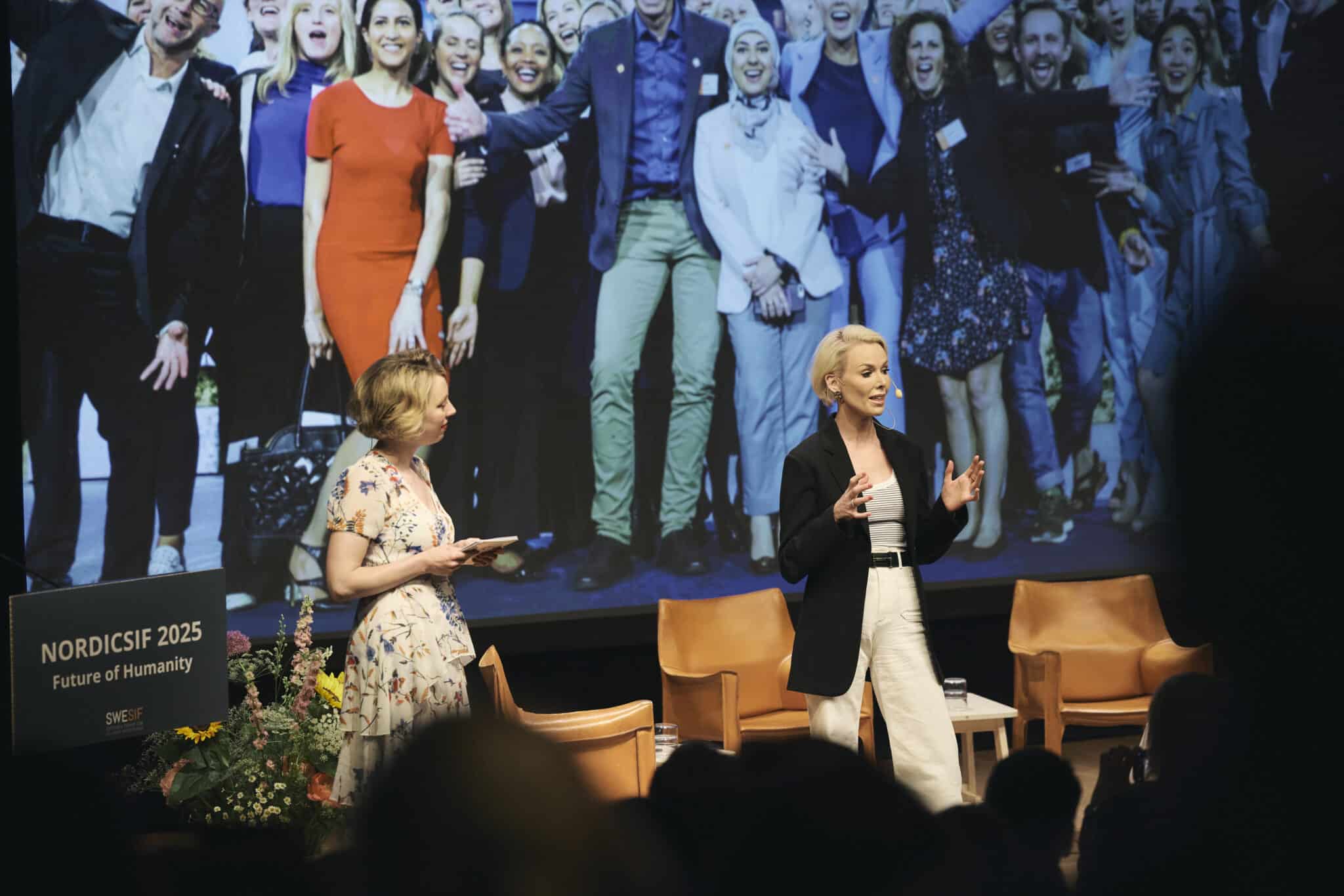
Årets stora samlingspunkt var NordicSIF 2025 – Future of Humanity, som den 4–5 juni samlade över 220 deltagare i Stockholm, alla de nordiska länderna fanns representerade. Konferensen inleddes av Dr. Gunhild Stordalen, och följdes av fem panelsamtal med representanter från branschen, civilsamhället, akademin, civilsamhället och politiken. Ämnen som diskuterades under konferensen omfattade bland annat:
• Future Generations
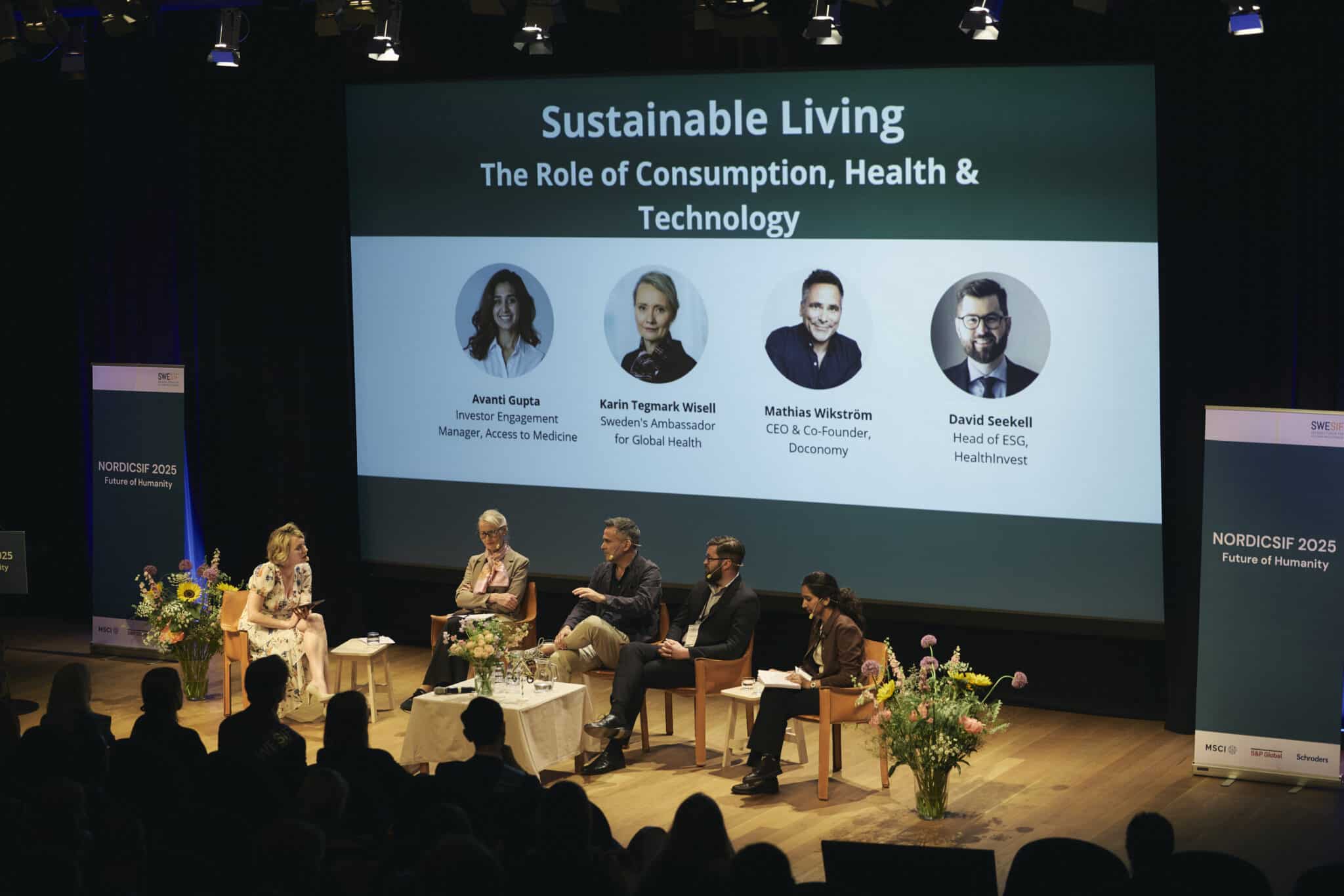
• Sustainable Living
• Peace & War
• Climate Transition
• JEDI (Justice, Equity, Diversity, Inclusion)
Vi ser nu fram emot NordicSIF 2026, som arrangeras av Finsif i Helsingfors den 25 augusti. Anmälan är redan öppen för dig som vill säkra din plats.
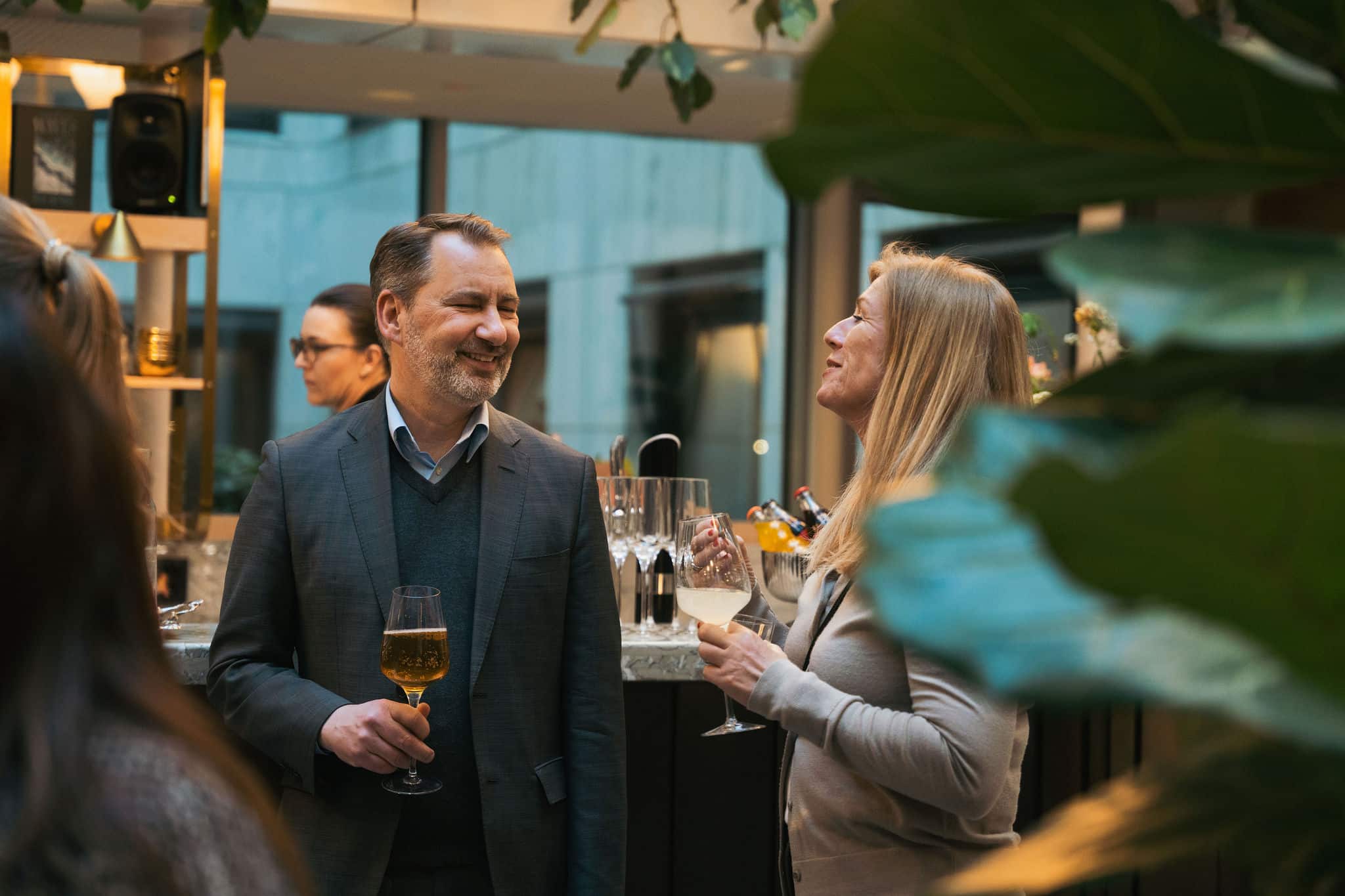

Strategiarbete – grunden för Swesifs framtida utveckling
Parallellt med årets evenemang har Swesif genomfört ett omfattande strategiarbete som nu sätter riktningen för organisationens kommande år. Arbetet har handlat om att tydliggöra Swesifs roll i branschen, stärka vårt erbjudande till medlemmarna och skapa mer effektiva och moderna arbetsformer. Det har också innefattat ett förnyat kommunikationsarbete och en kommande webbplats som ska göra Swesifs kunskap och aktiviteter mer tillgängliga.
”Mitt första år som Executive Director har varit både intensivt och lärorikt. Mötena med styrelsen och våra medlemmar har gett värdefulla insikter om Swesifs position och potential. I en tid då värdet av hållbara investeringar behöver lyftas tydligare än någonsin ser jag stora möjligheter för Swesif att ta en mer aktiv och samlande roll i branschen. Under det kommande året fokuserar vi på att stärka vår seminarieserie, fördjupa vårt samarbete med forskning, utveckla vår kommunikation, lansera en ny webb samt öka möjligheterna till medlemsengagemang. Genom insikter, nätverkande och effektivt stöd i det vardagliga arbetet stärker vi våra medlemmars kapacitet att investera hållbart.”
– Cajsa Wiking, Executive Director Swesif
Avslutning
2025 blev året då Swesif tog flera viktiga steg framåt, både i innehåll och strategisk inriktning. Med starkare struktur, växande medlemsengagemang, fler samarbeten och ett brett kunskapsutbud står vi nu redo för nästa fas.
Vi vill rikta ett varmt tack till alla som deltagit, bidragit och gjort året så betydelsefullt.
Vi ser fram emot ett lika innehållsrikt och utvecklande 2026.
Med detta önskar vi er alla en god jul och en god fortsättning.
Swesif
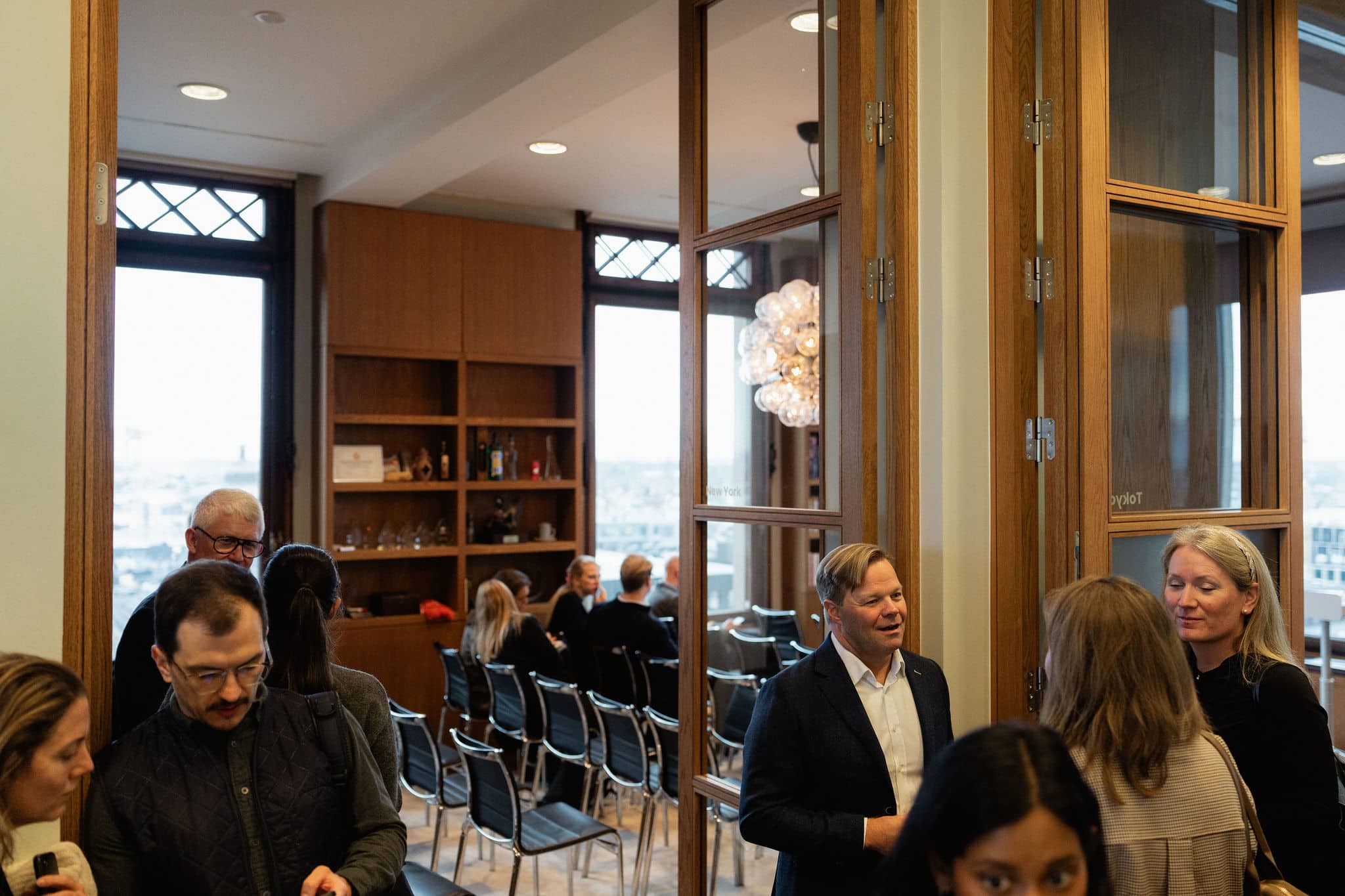
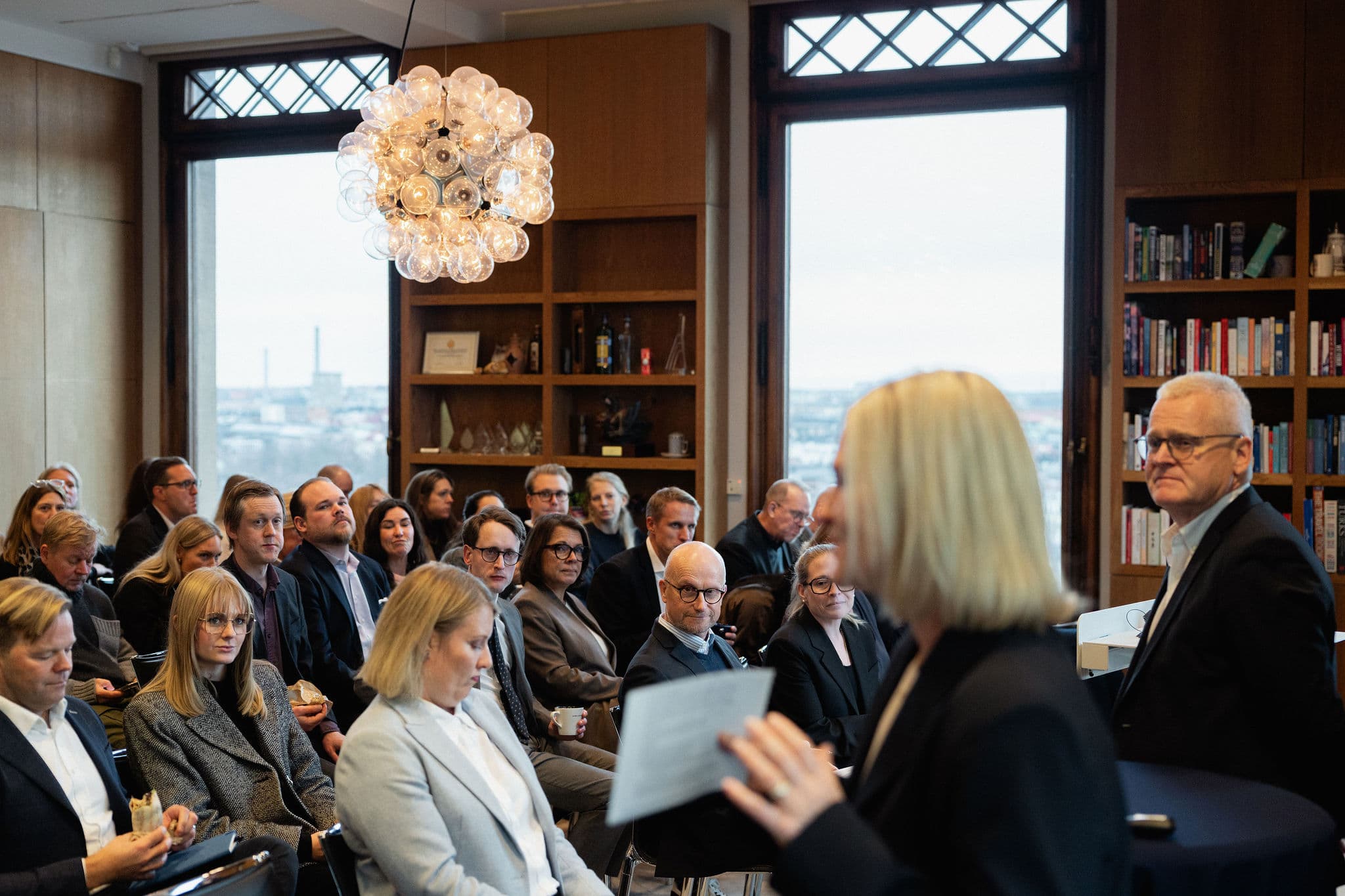
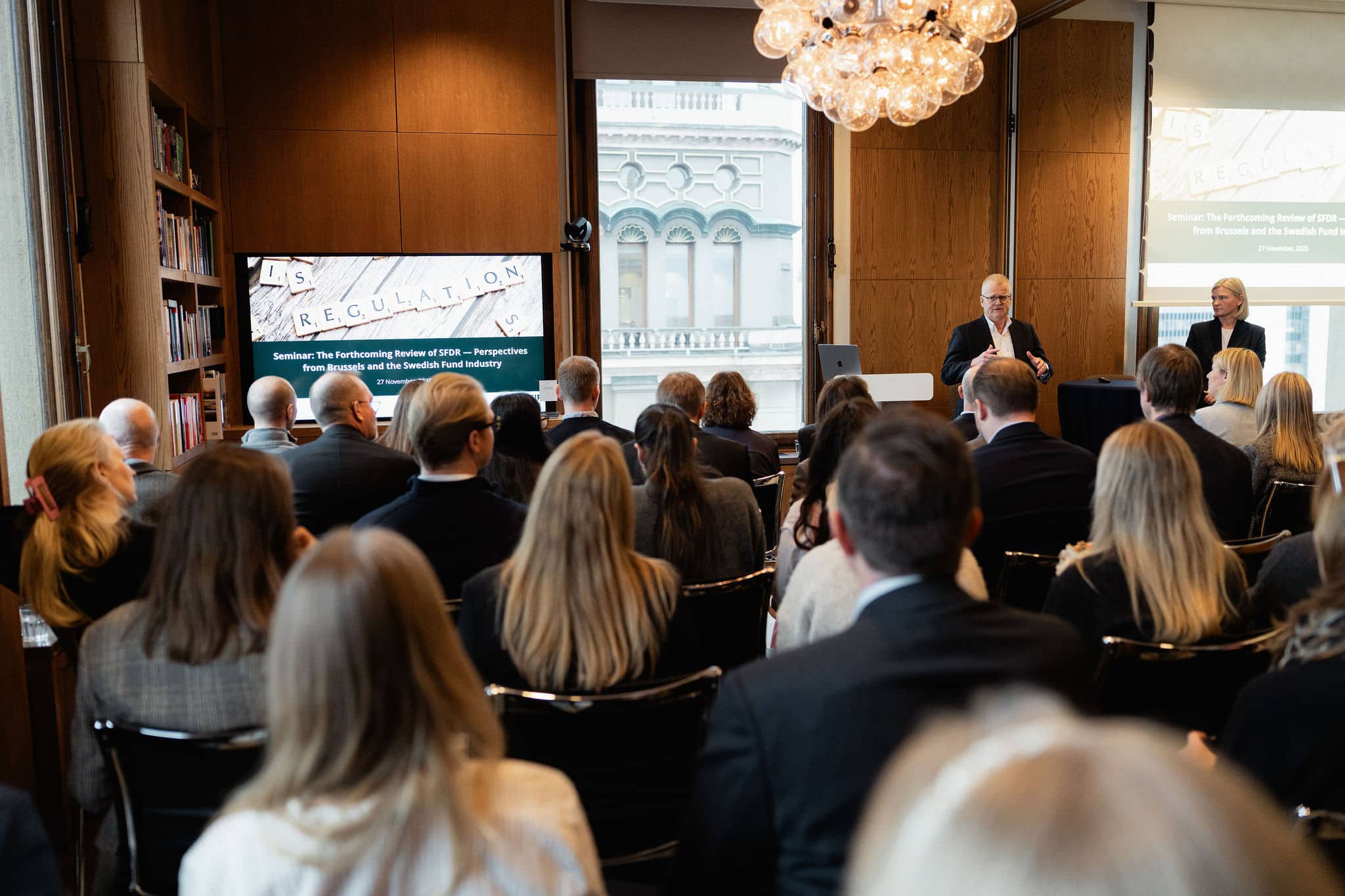
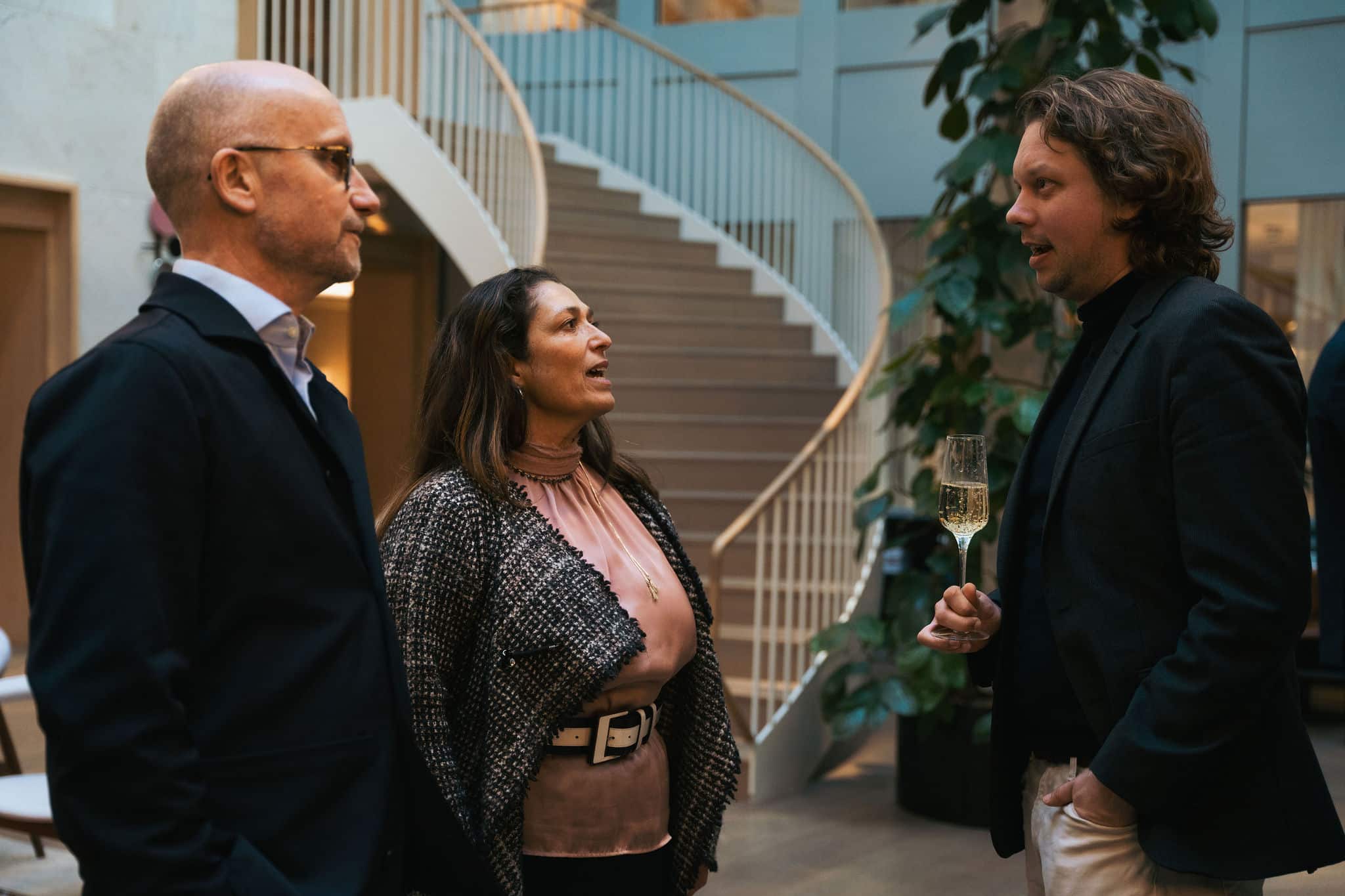
Seminar: The Forthcoming Review of SFDR — Perspectives from Brussels and the Swedish Fund Industry

Yesterday, we hosted our final seminar of the year. The fully booked event brought together perspectives from both Brussels and the Swedish fund industry on the forthcoming review of the Sustainable Finance Disclosure Regulation (SFDR).
We were pleased to welcome Aleksandra Palińska, Executive Director at Eurosif, joining us directly from Brussels, along with Angelica Thornquist Lavicka from the Swedish Investment Fund Association. Their contributions offered valuable insights into the evolving EU policy landscape and the practical implications for Swedish market participants.
A special thank you to our excellent moderator, Erik Feldt, for once again guiding the discussion with clarity and expertise – and a warm thank you to all our members who joined us on site and contributed with engaged and forward-looking questions.
We look forward to sharing more about what we have planned for 2026, stay tuned.
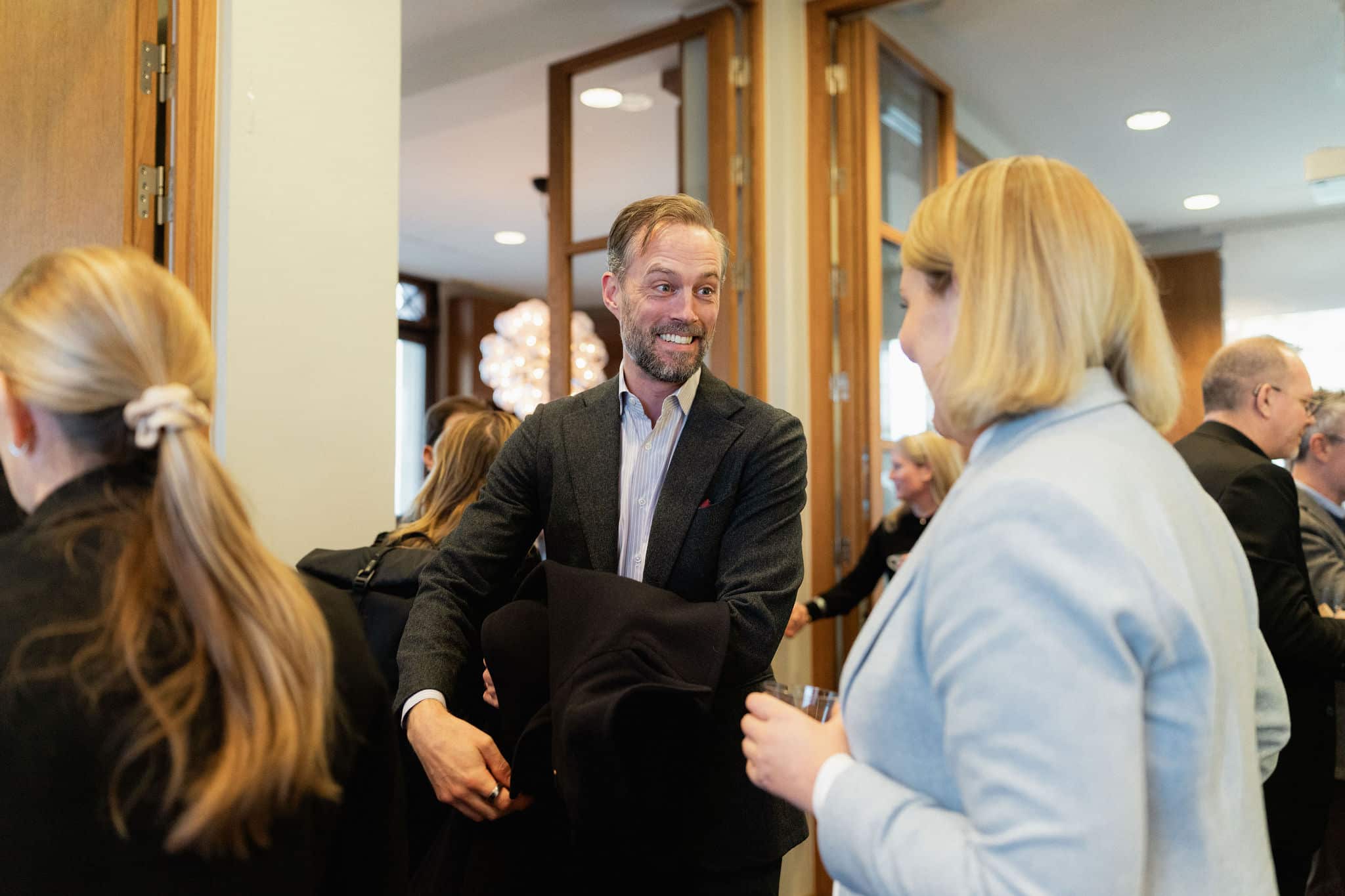
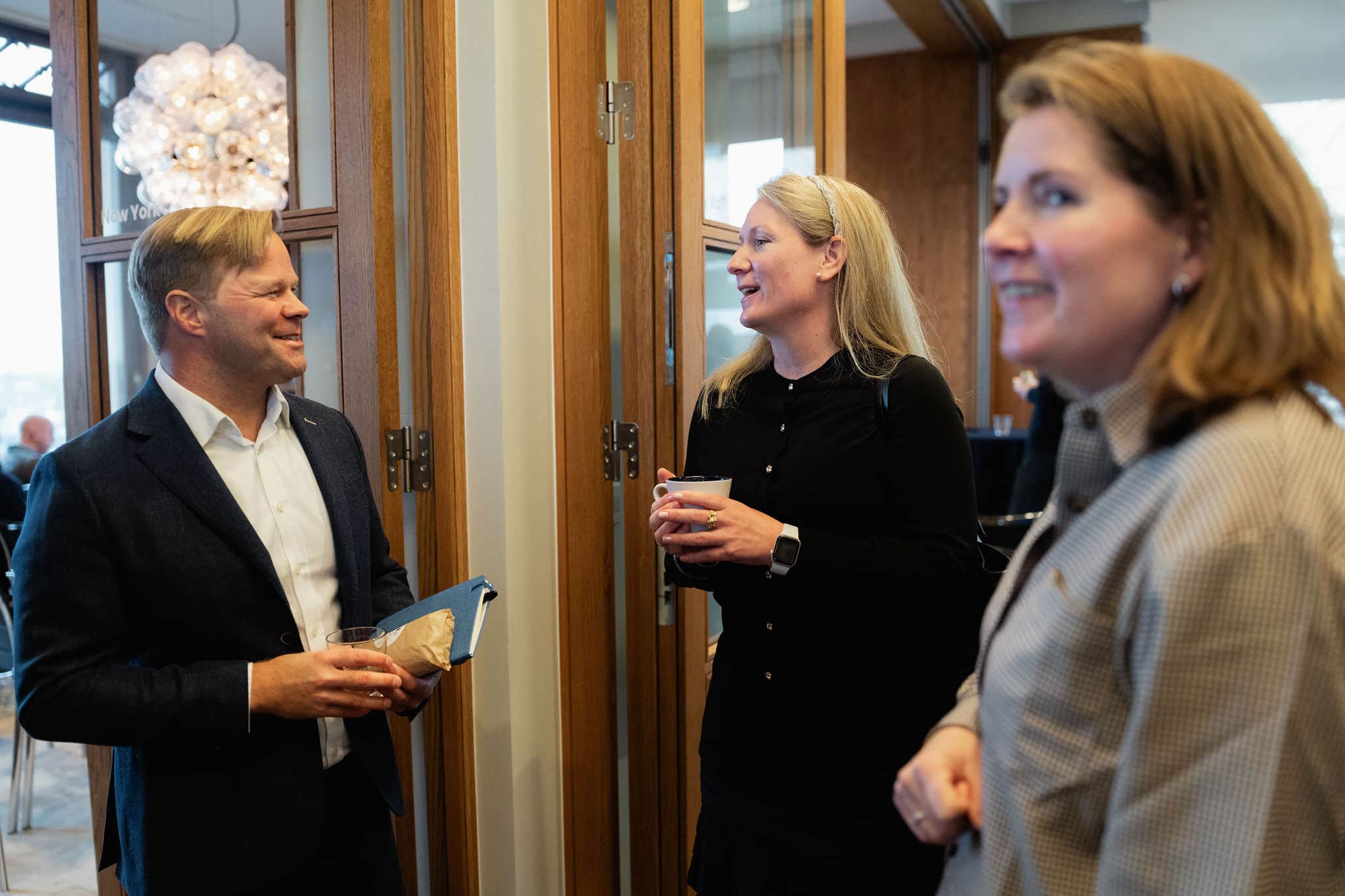
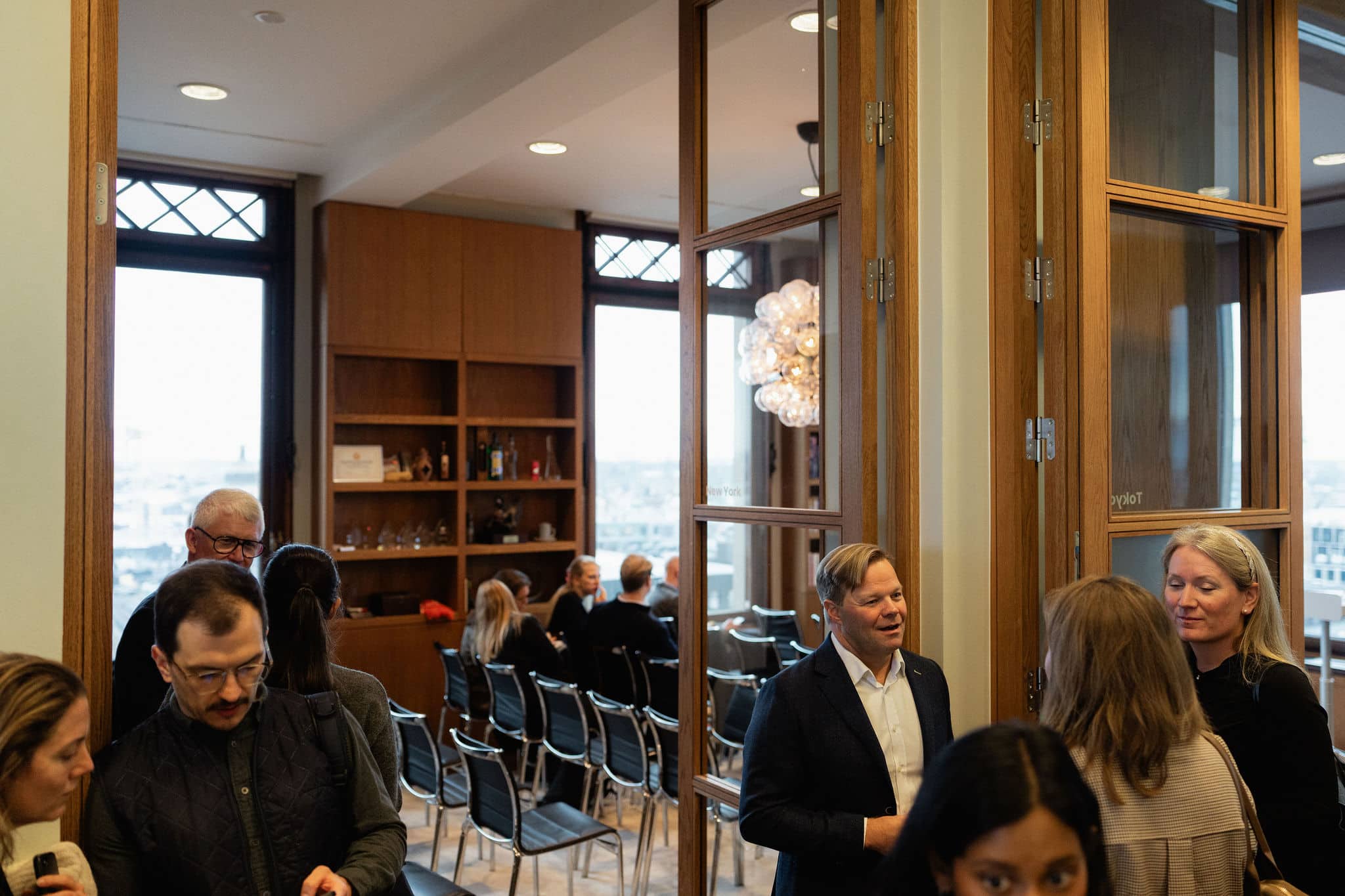
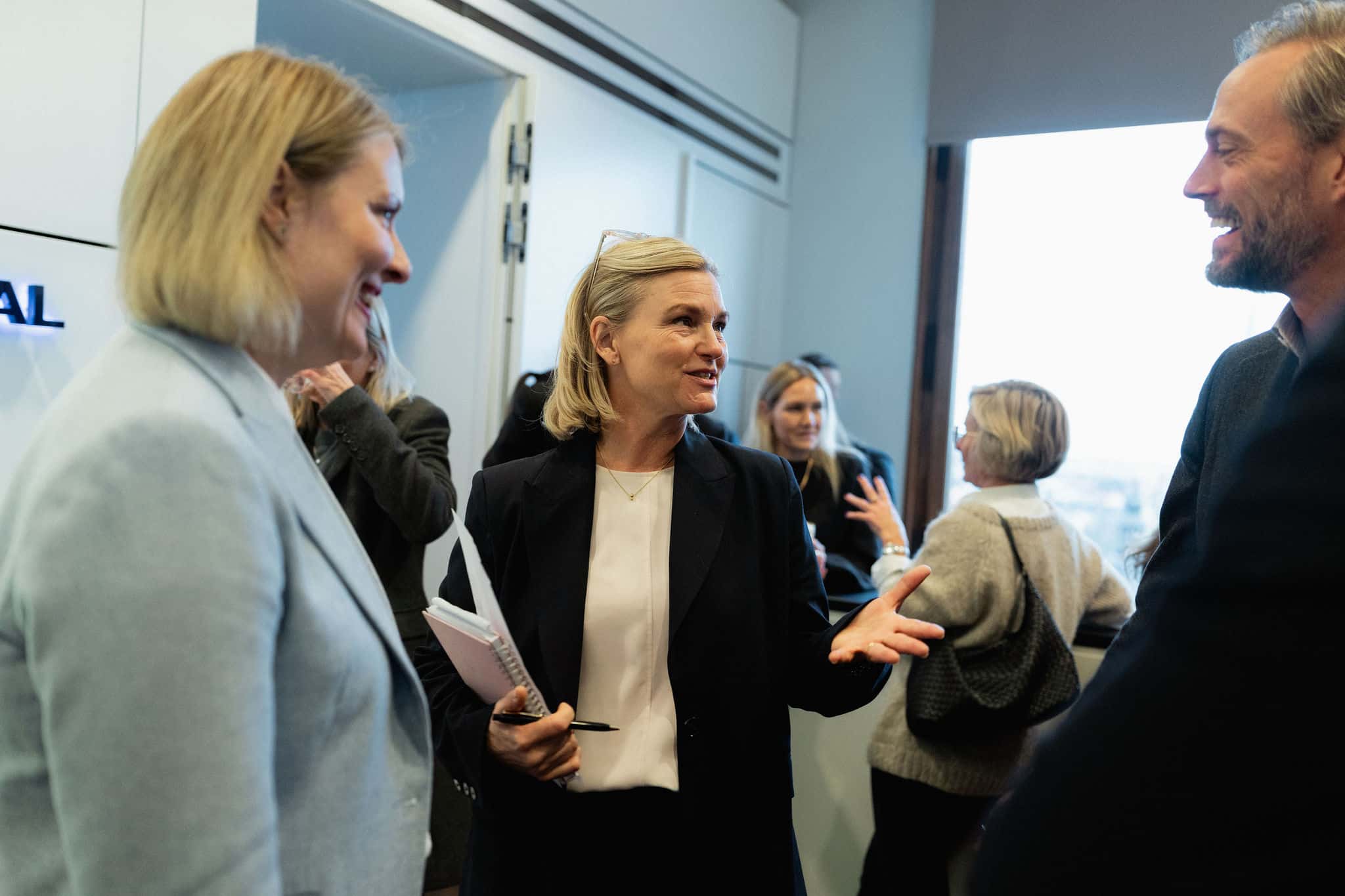
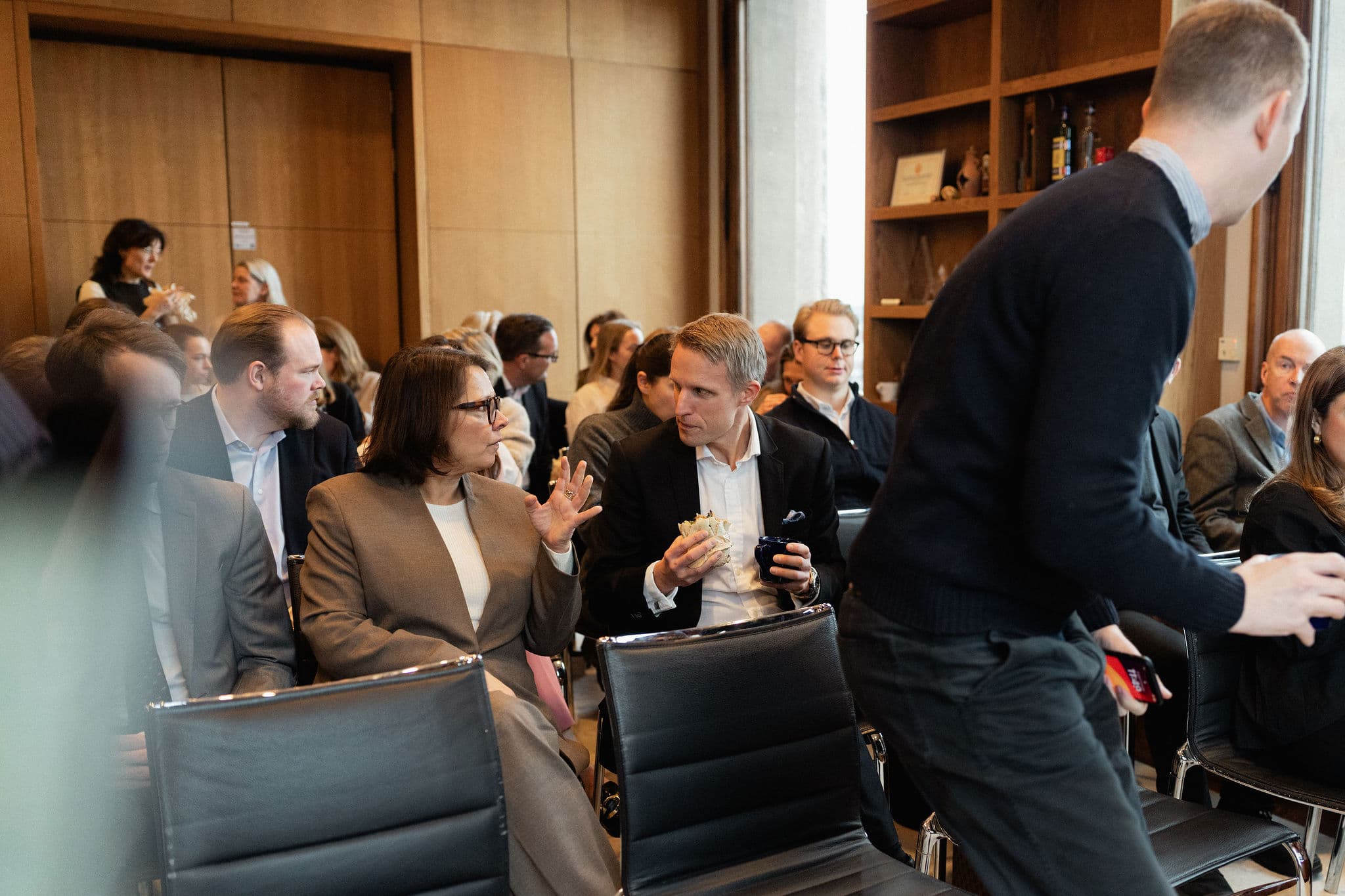
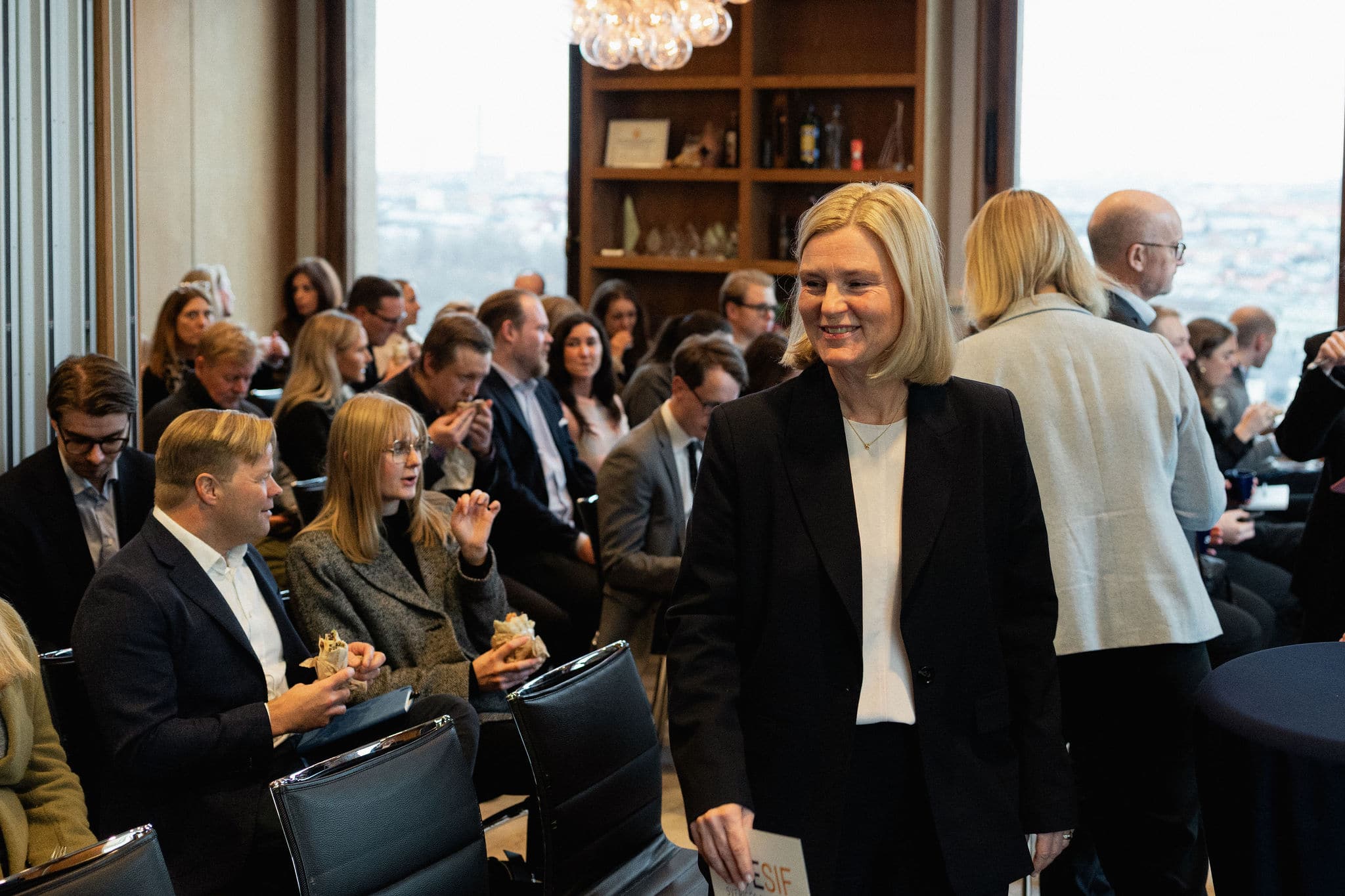
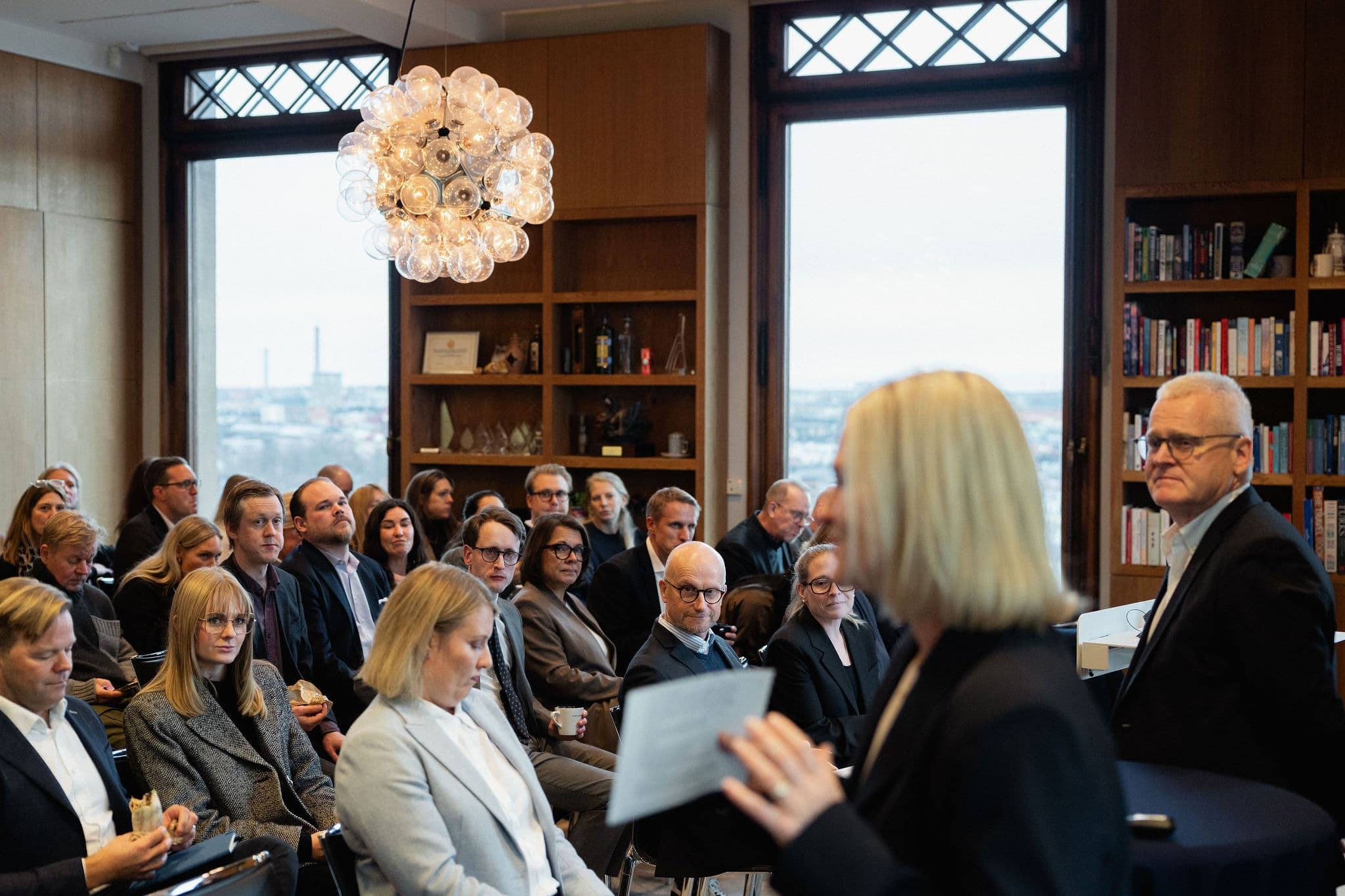
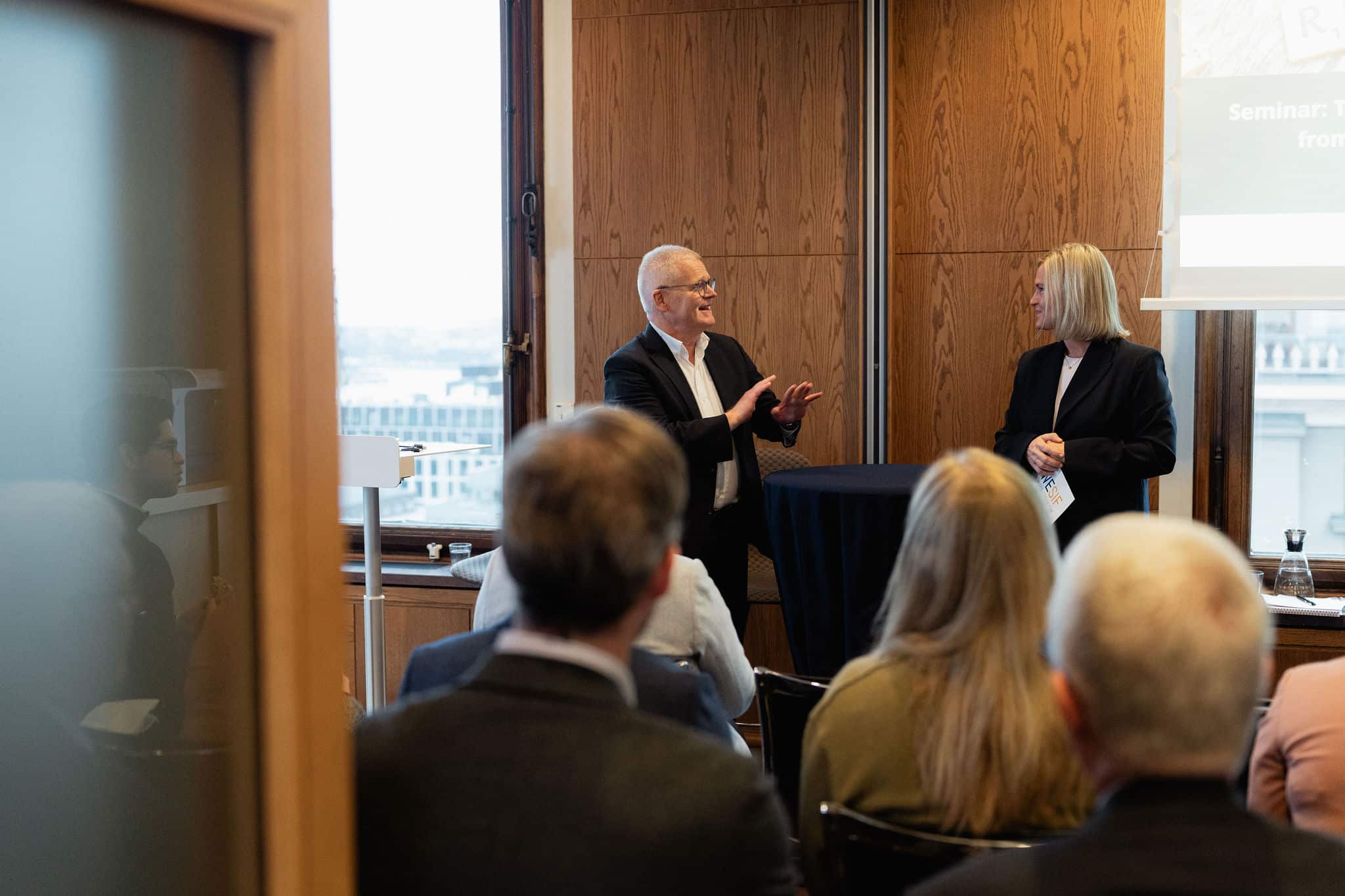
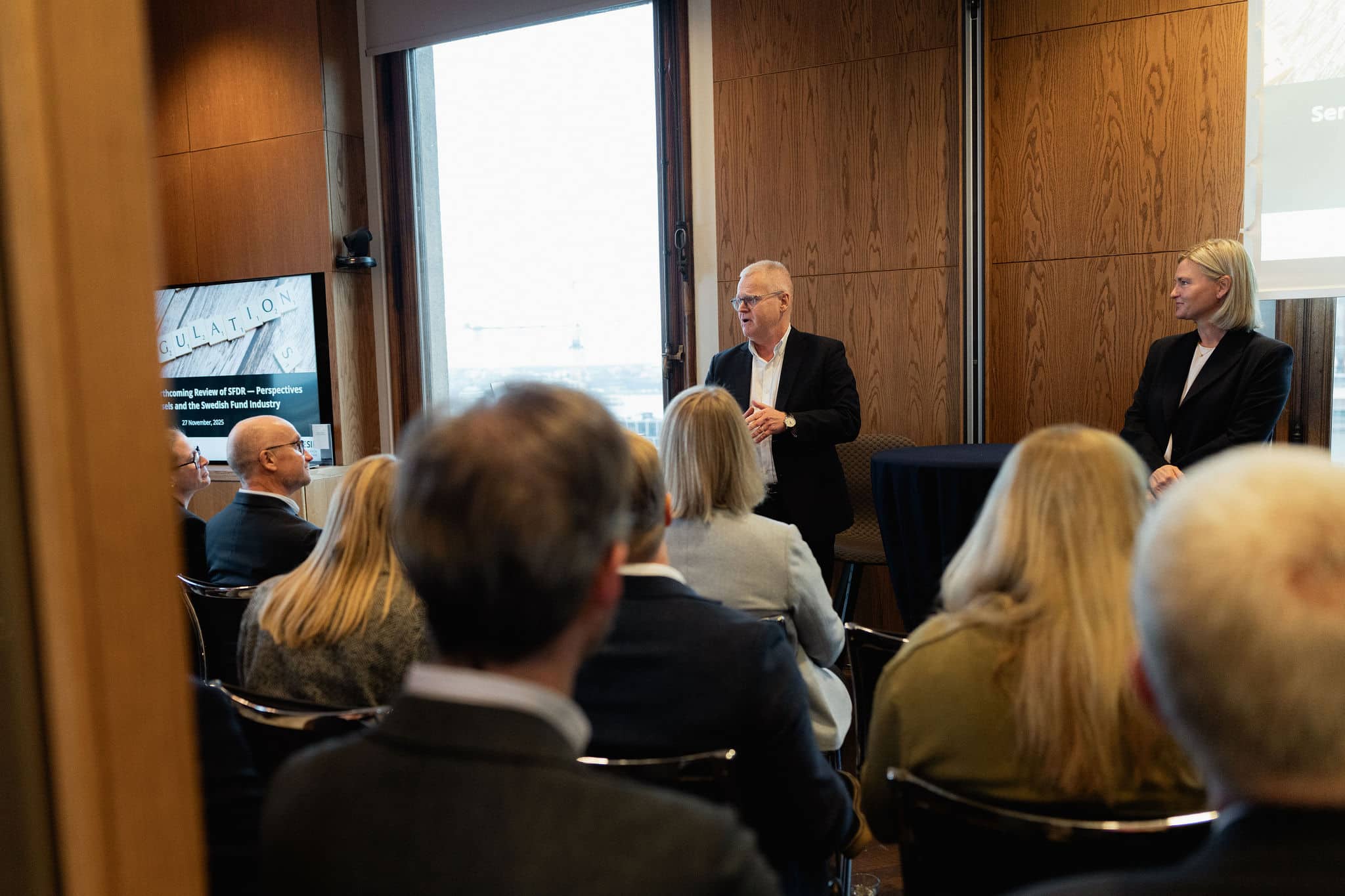
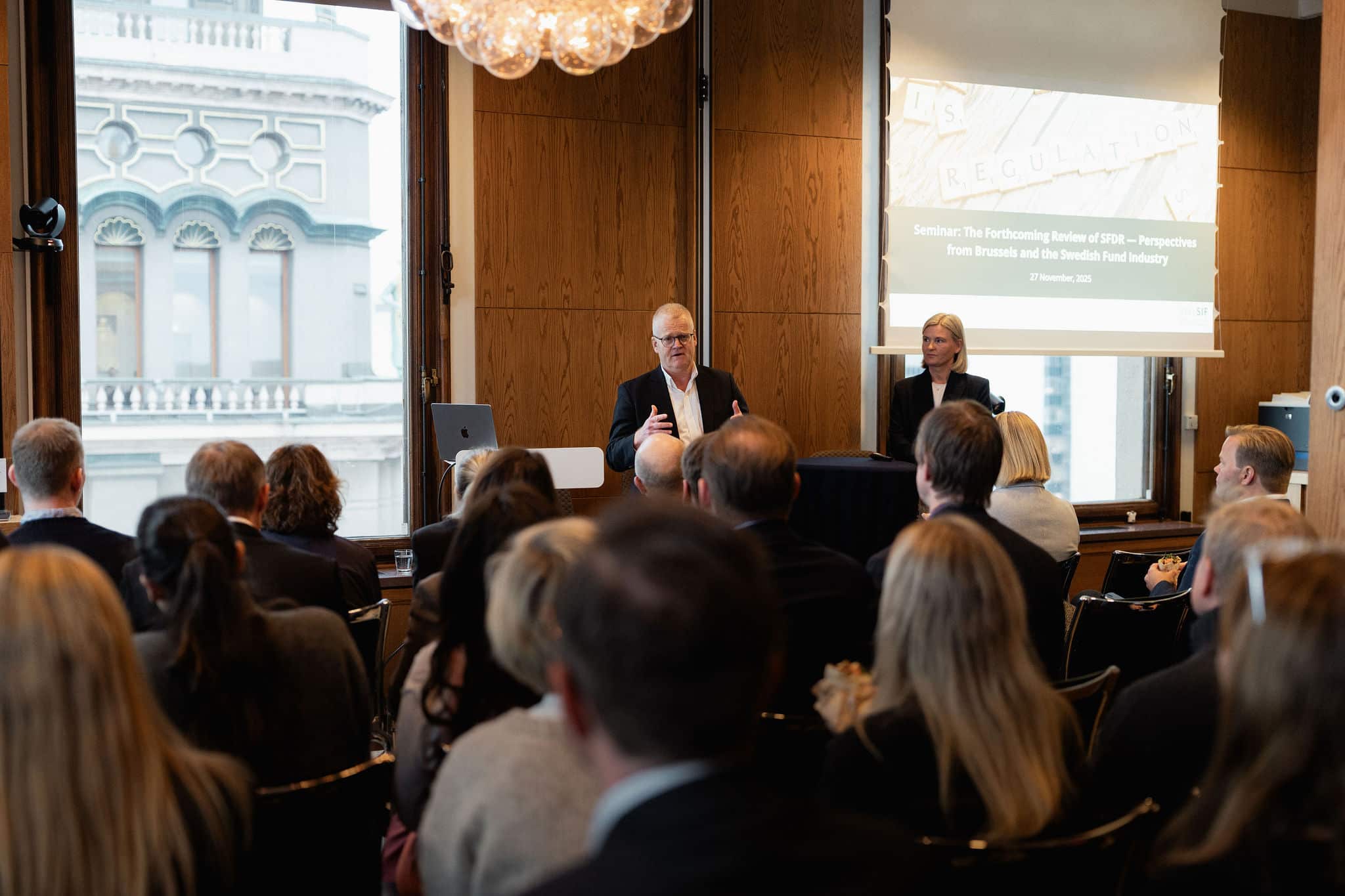
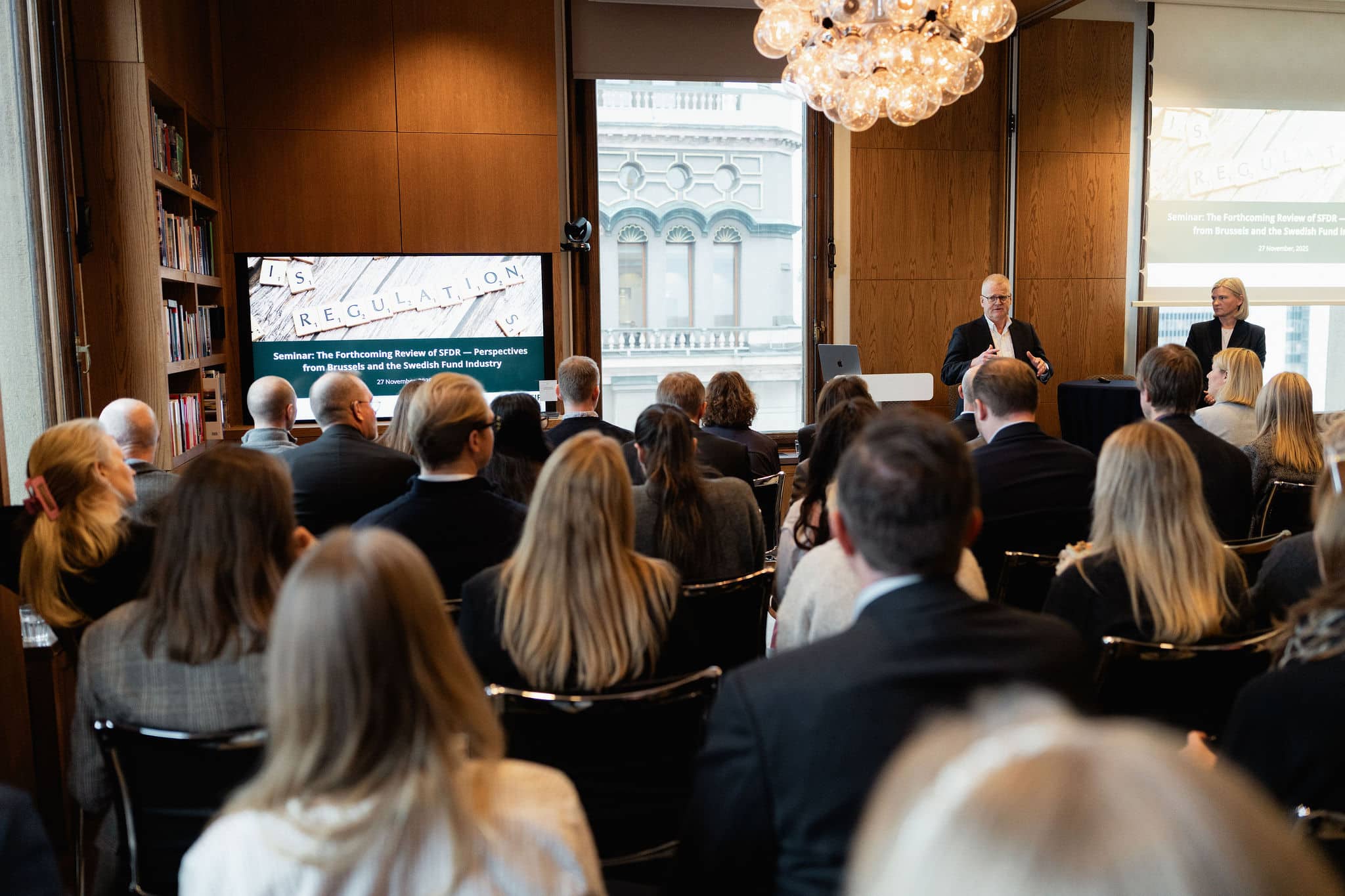
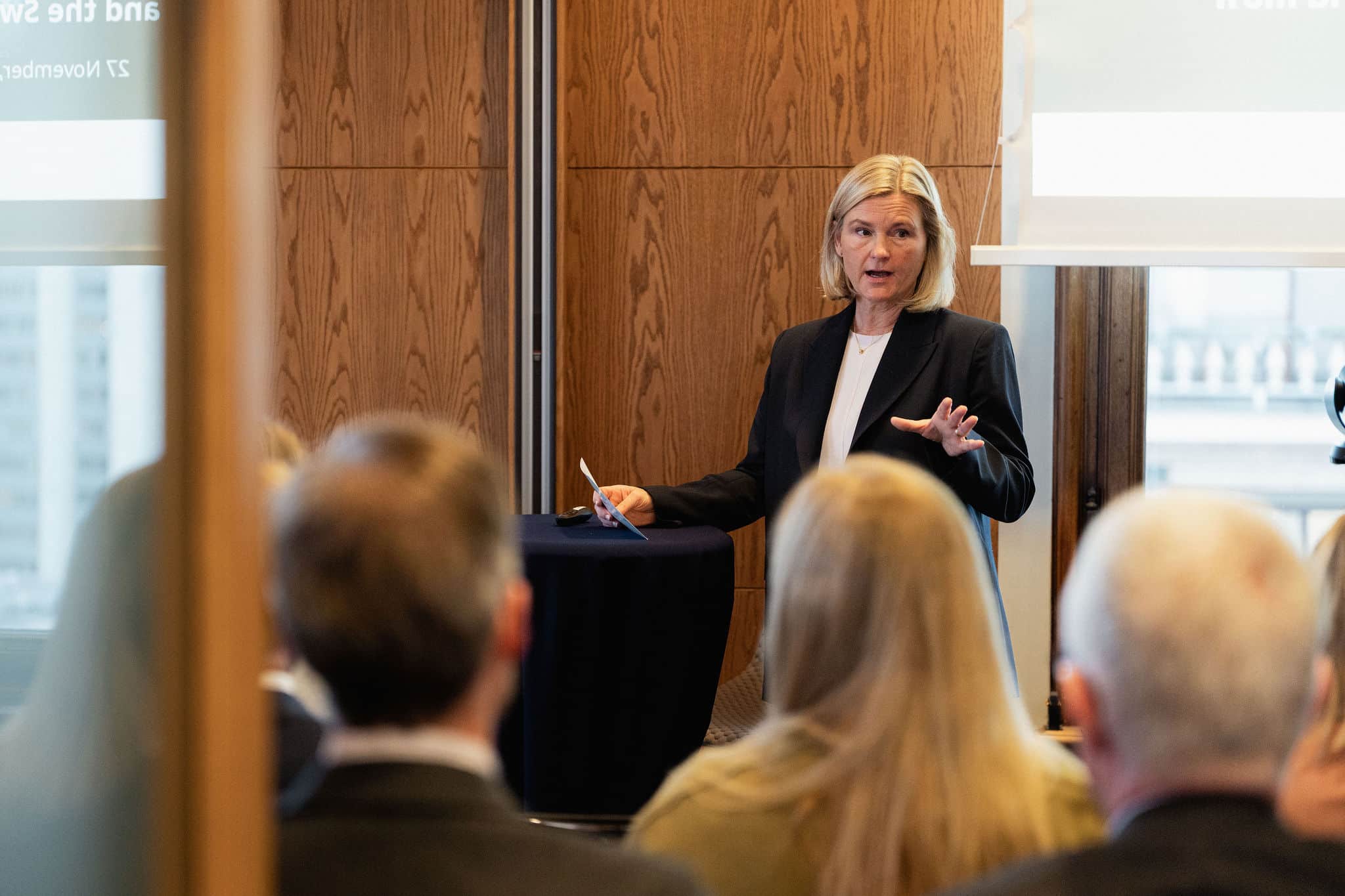
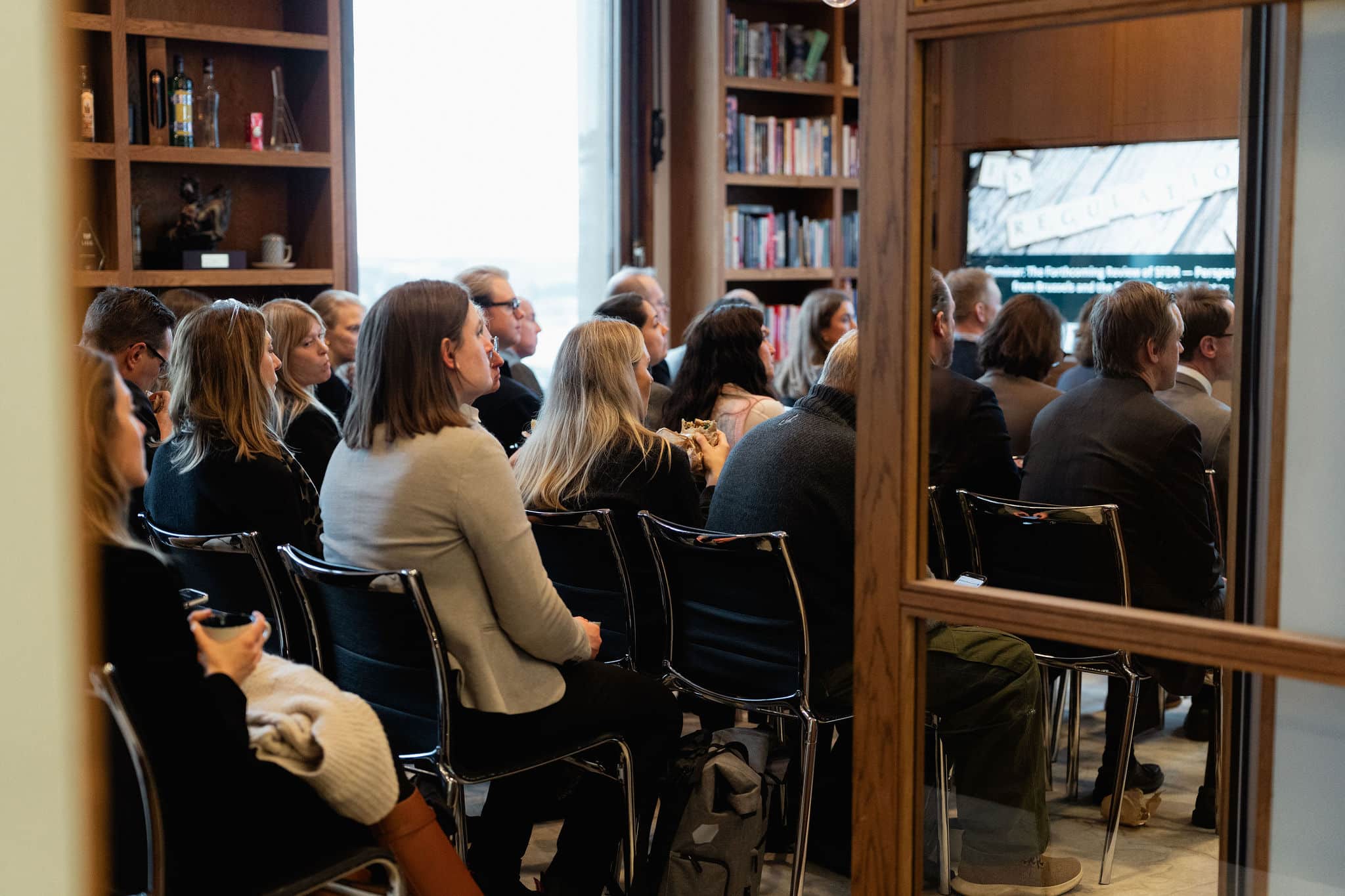
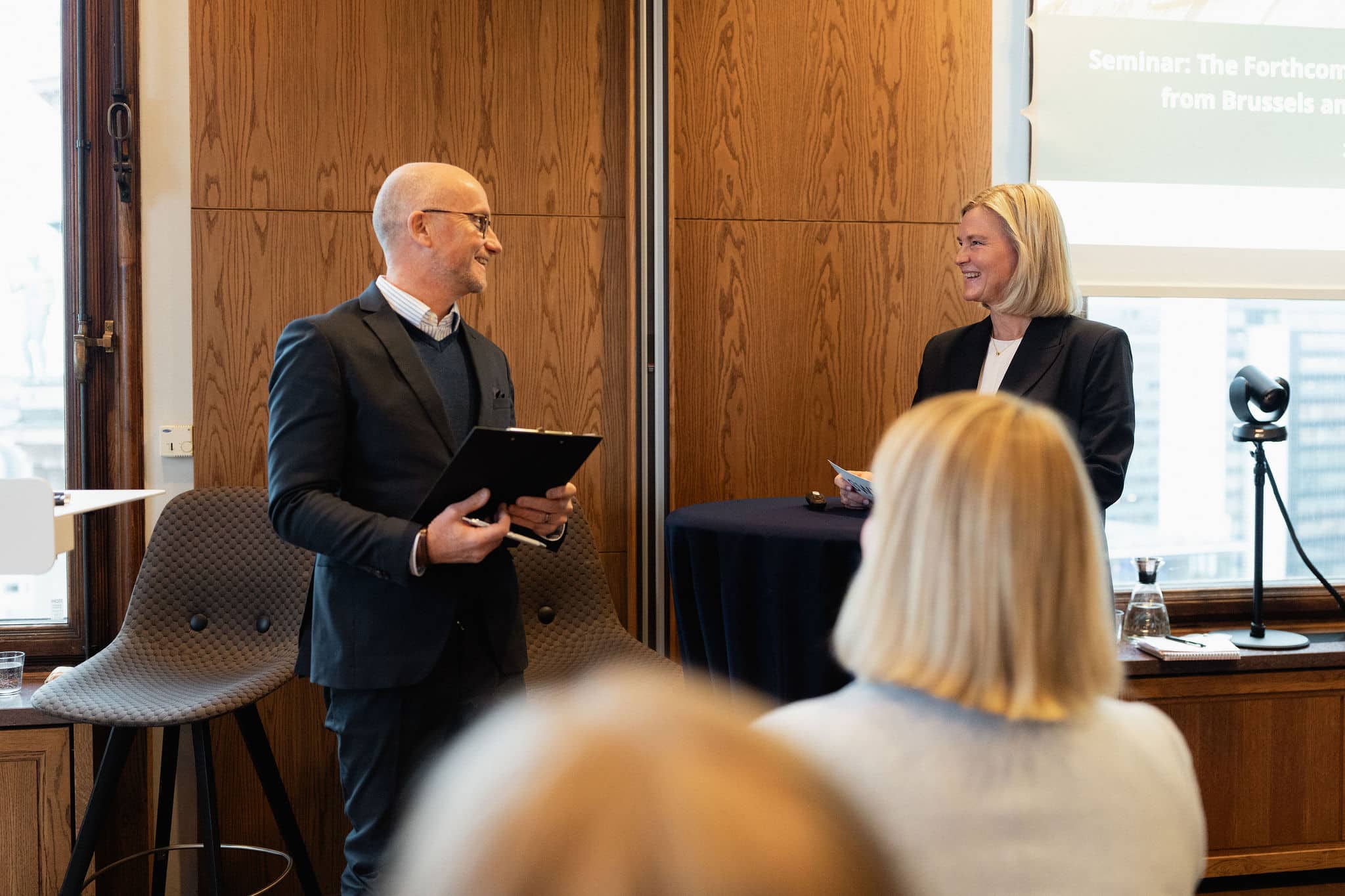
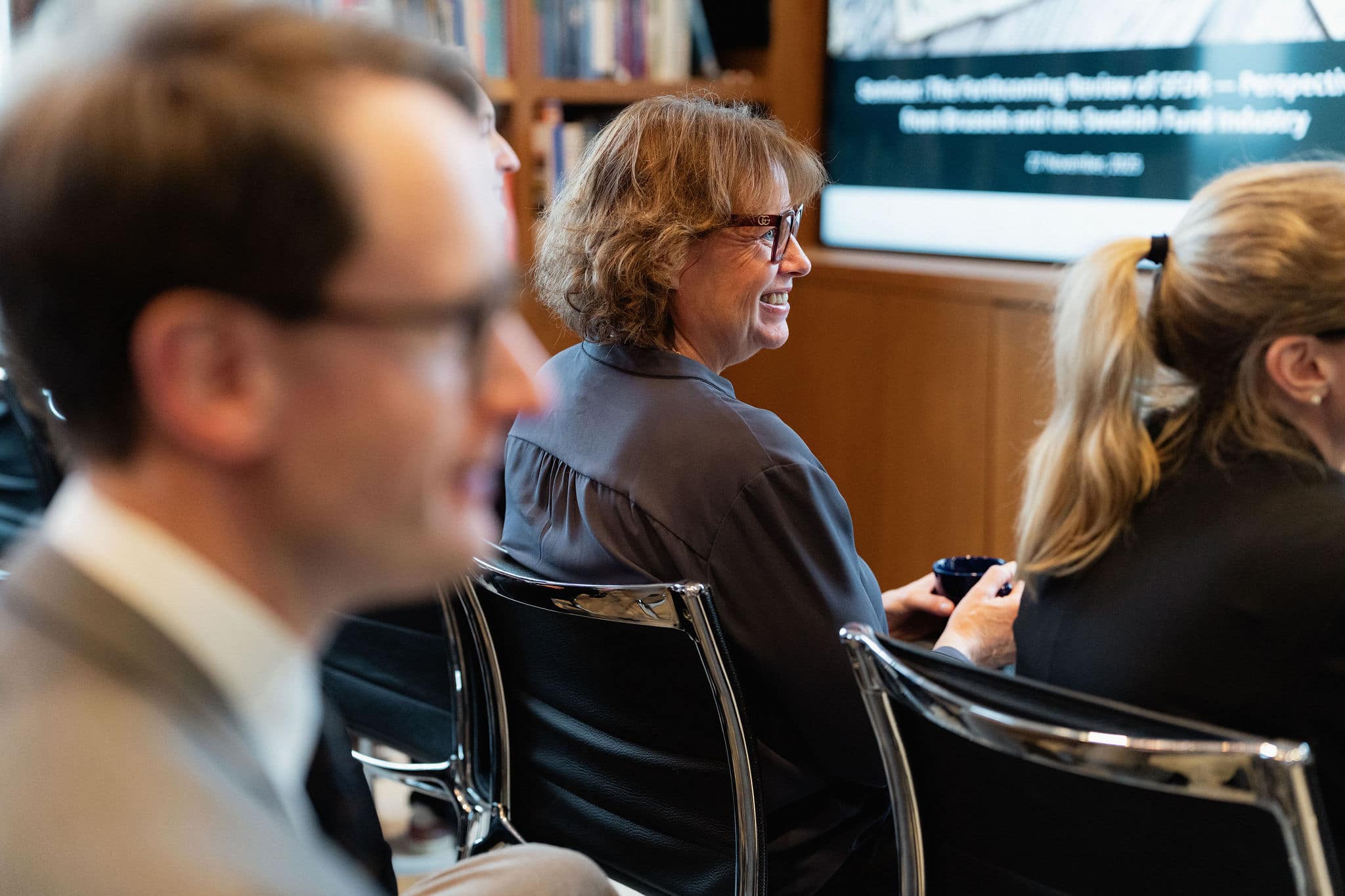
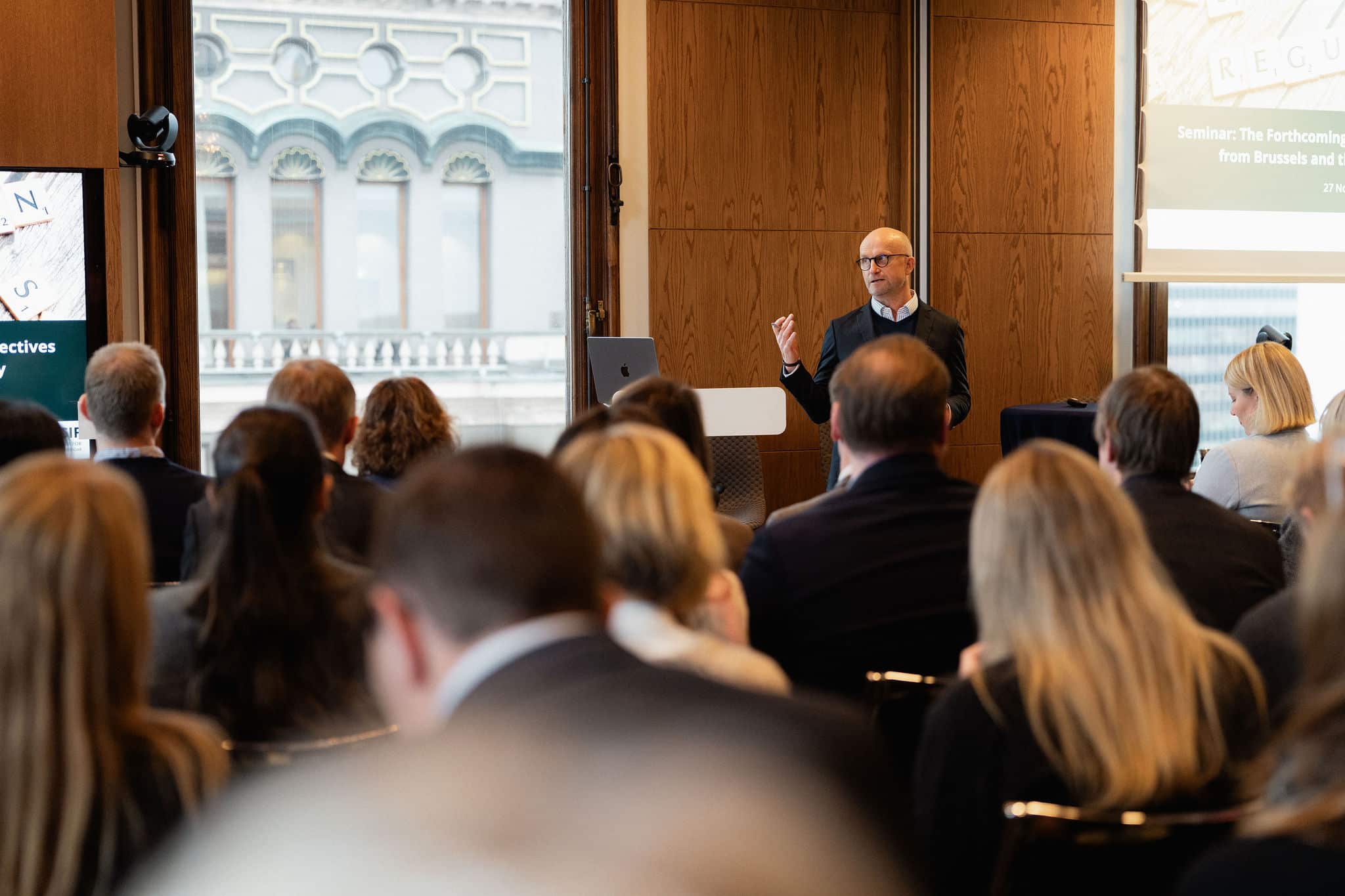
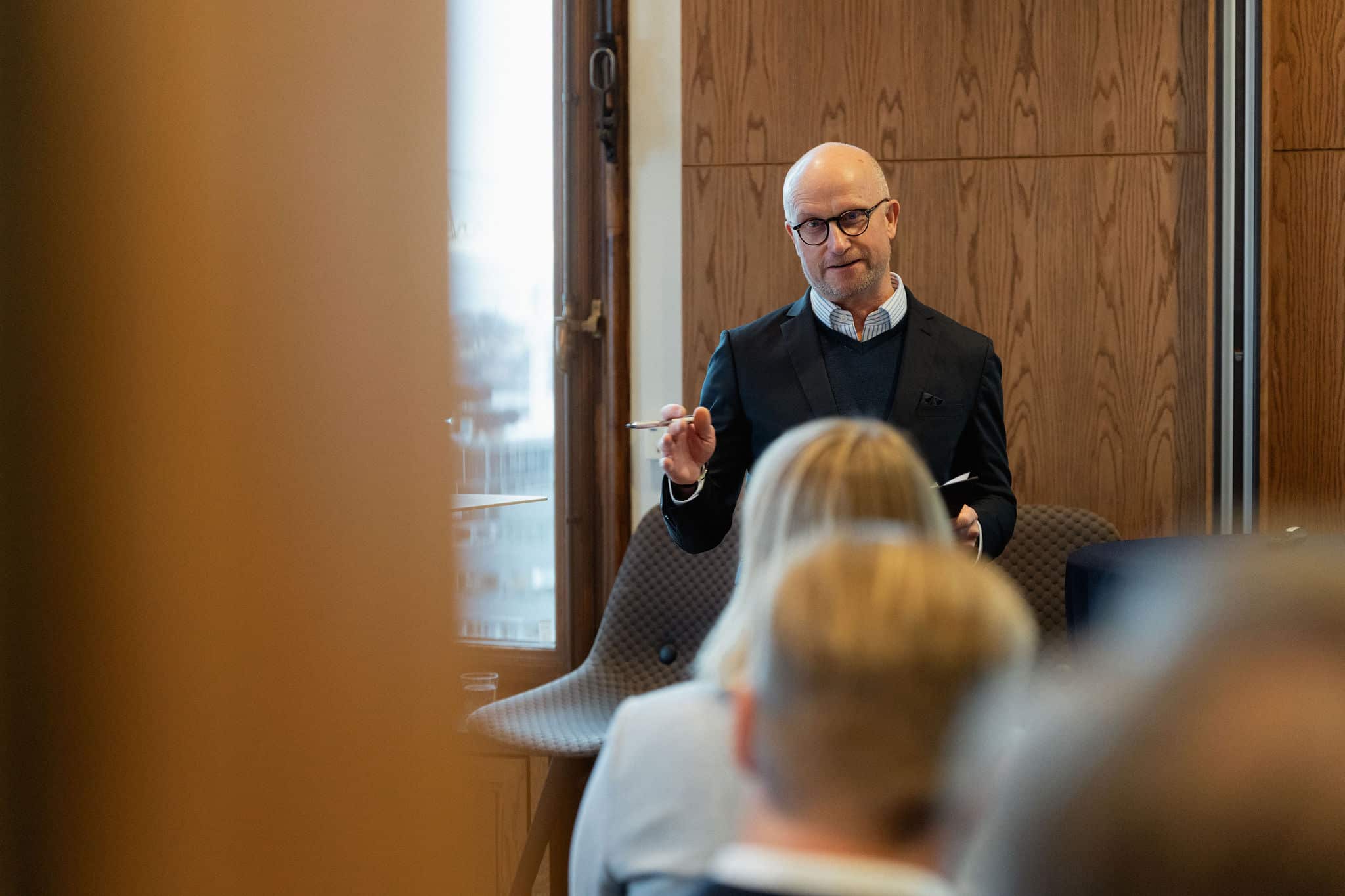
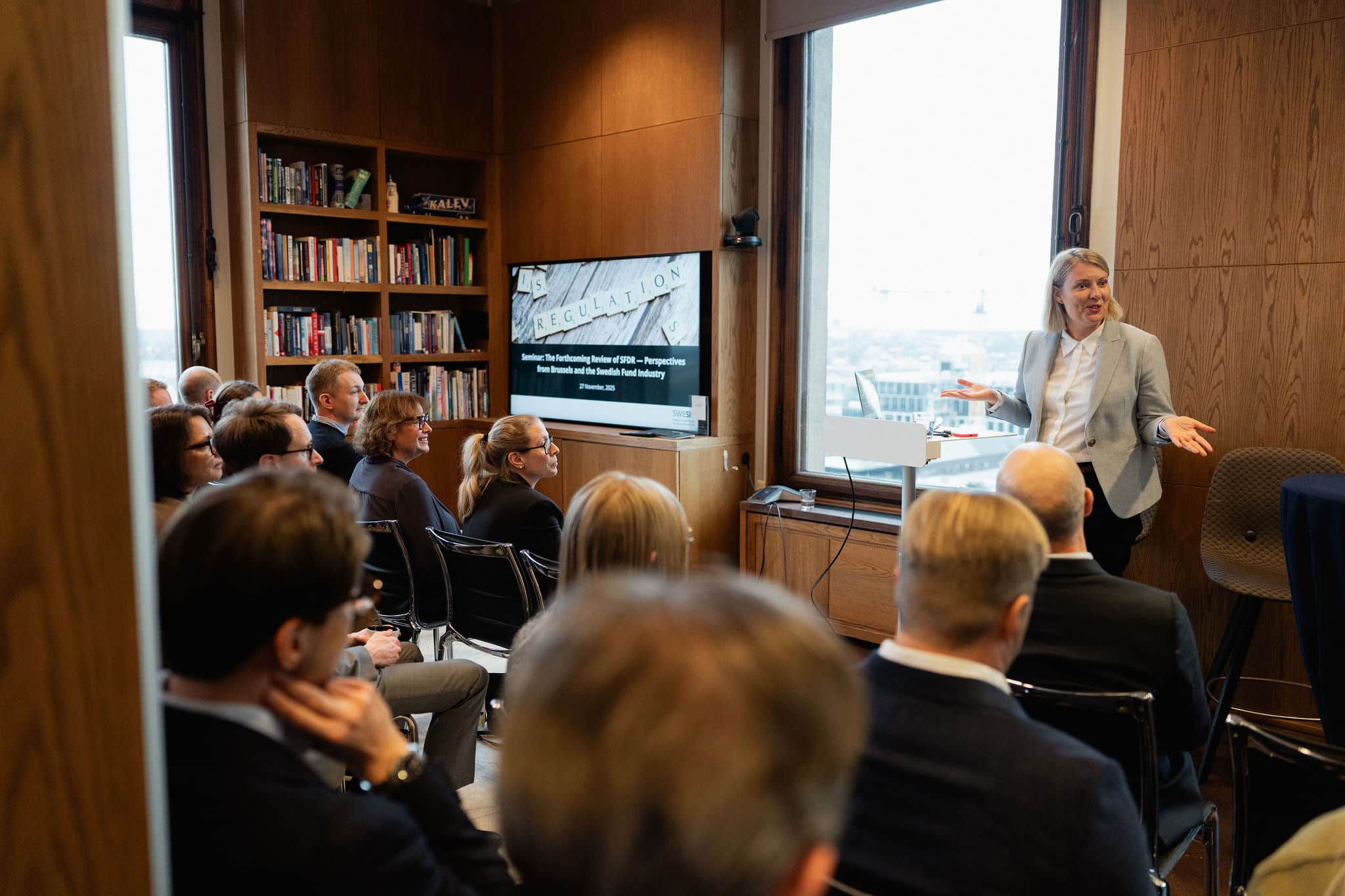
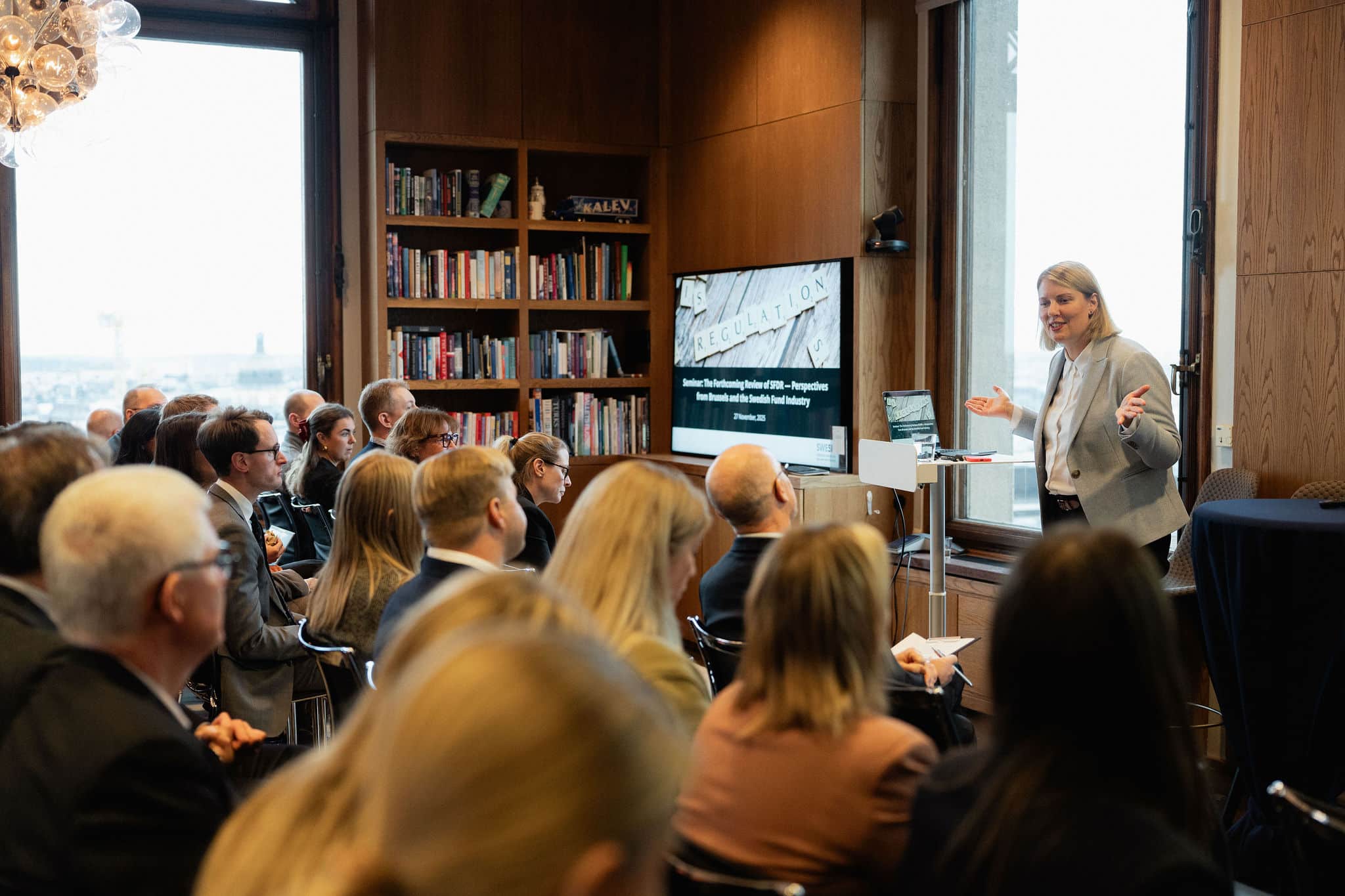
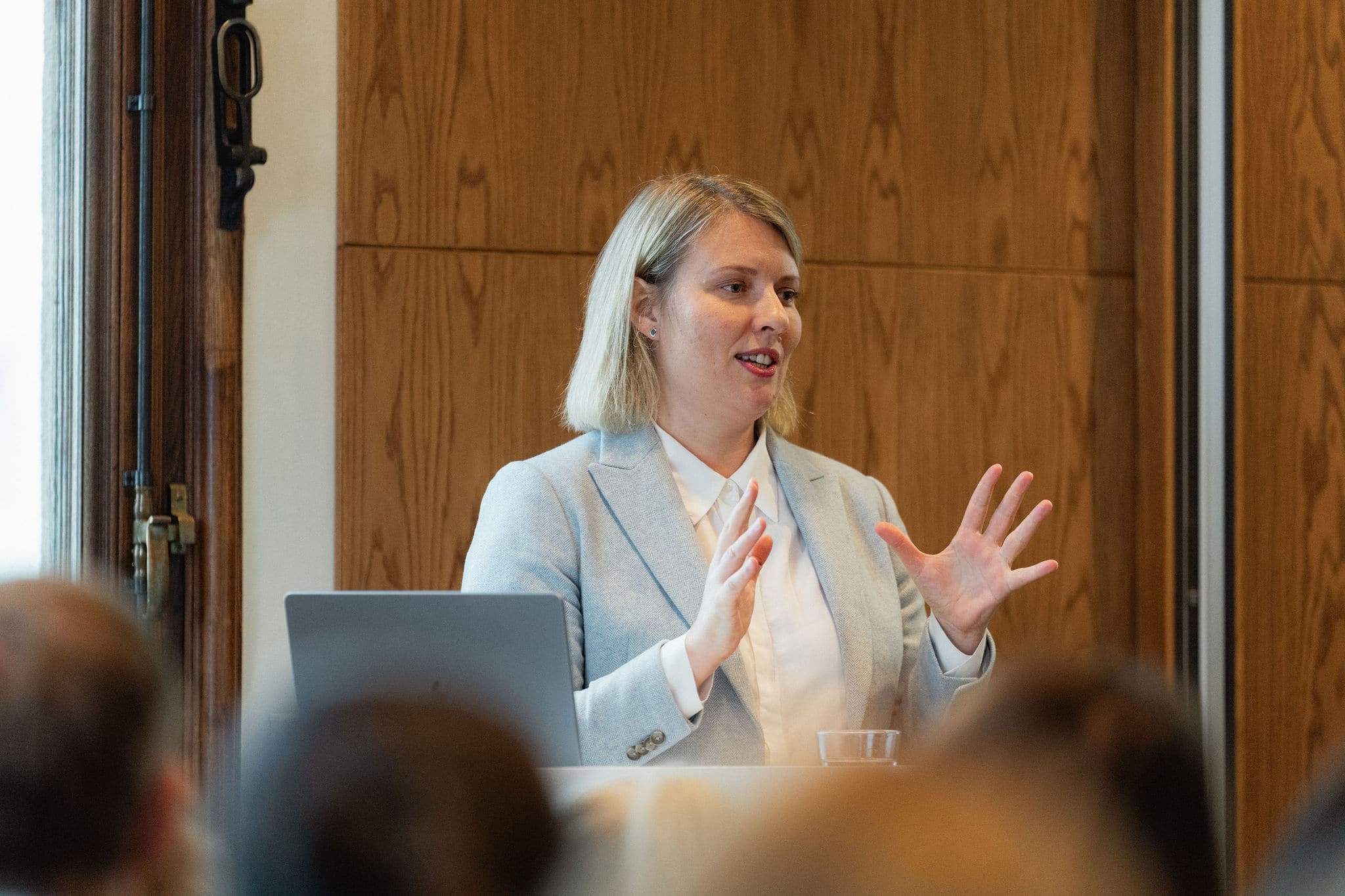
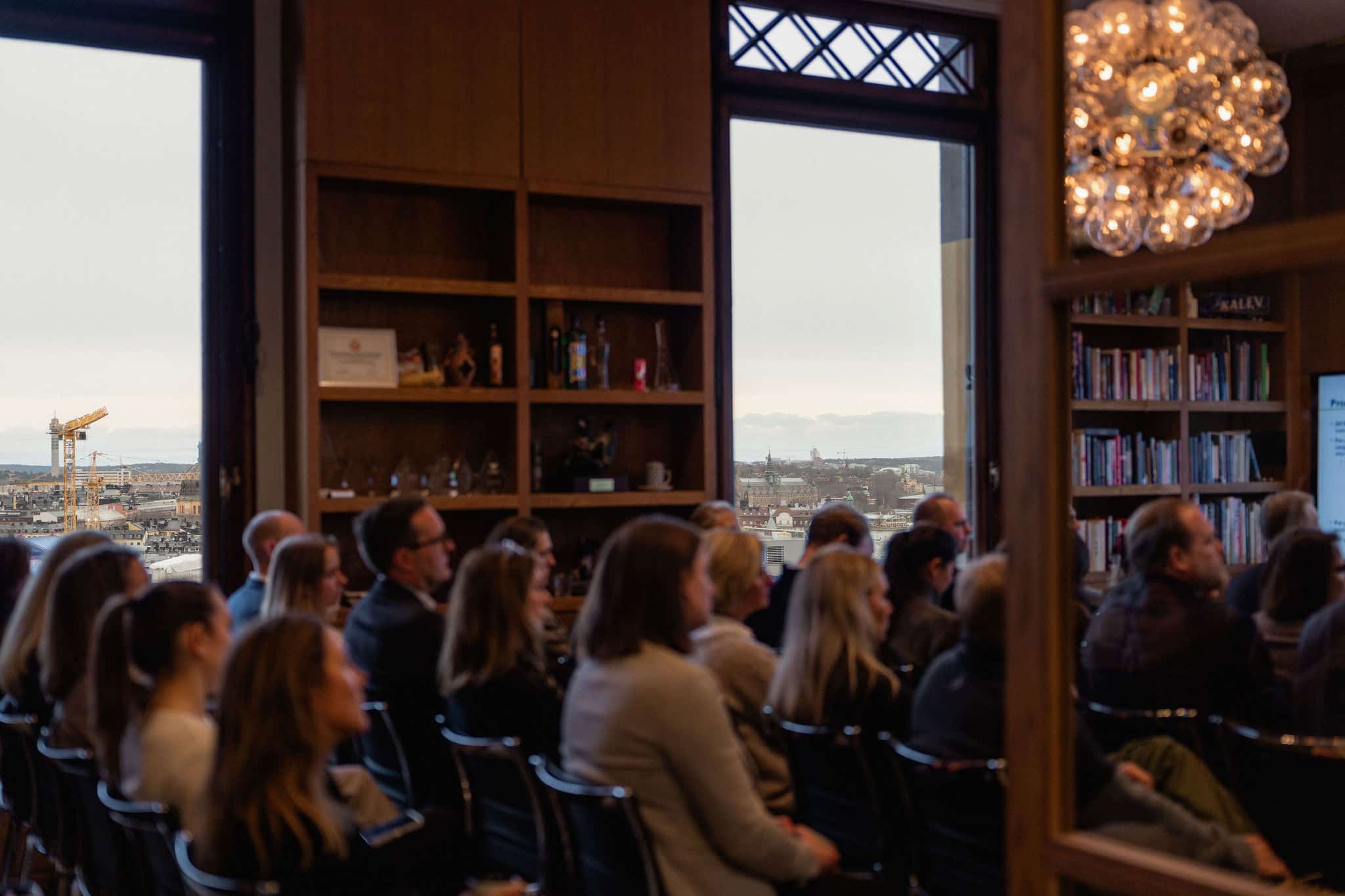
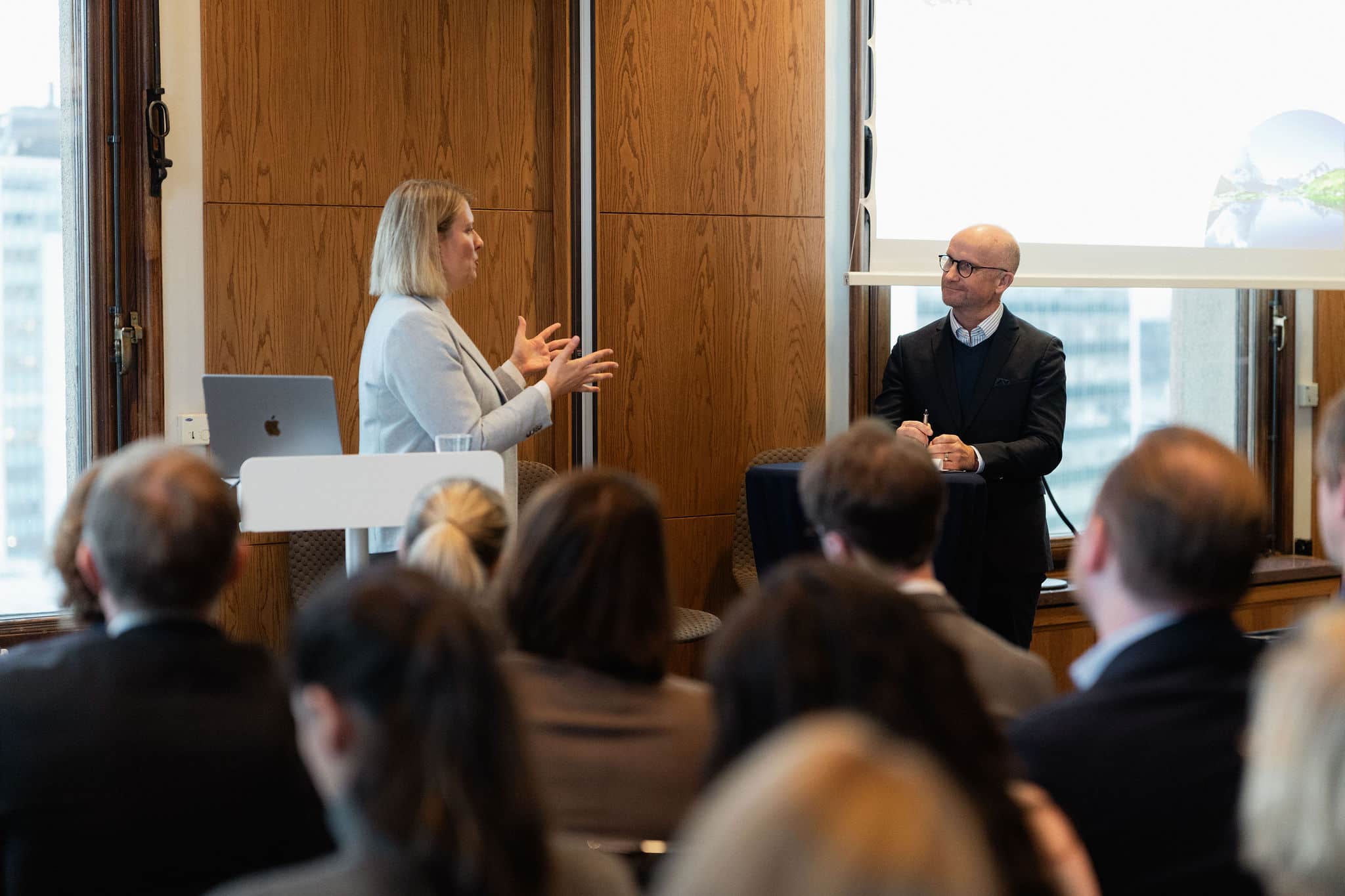
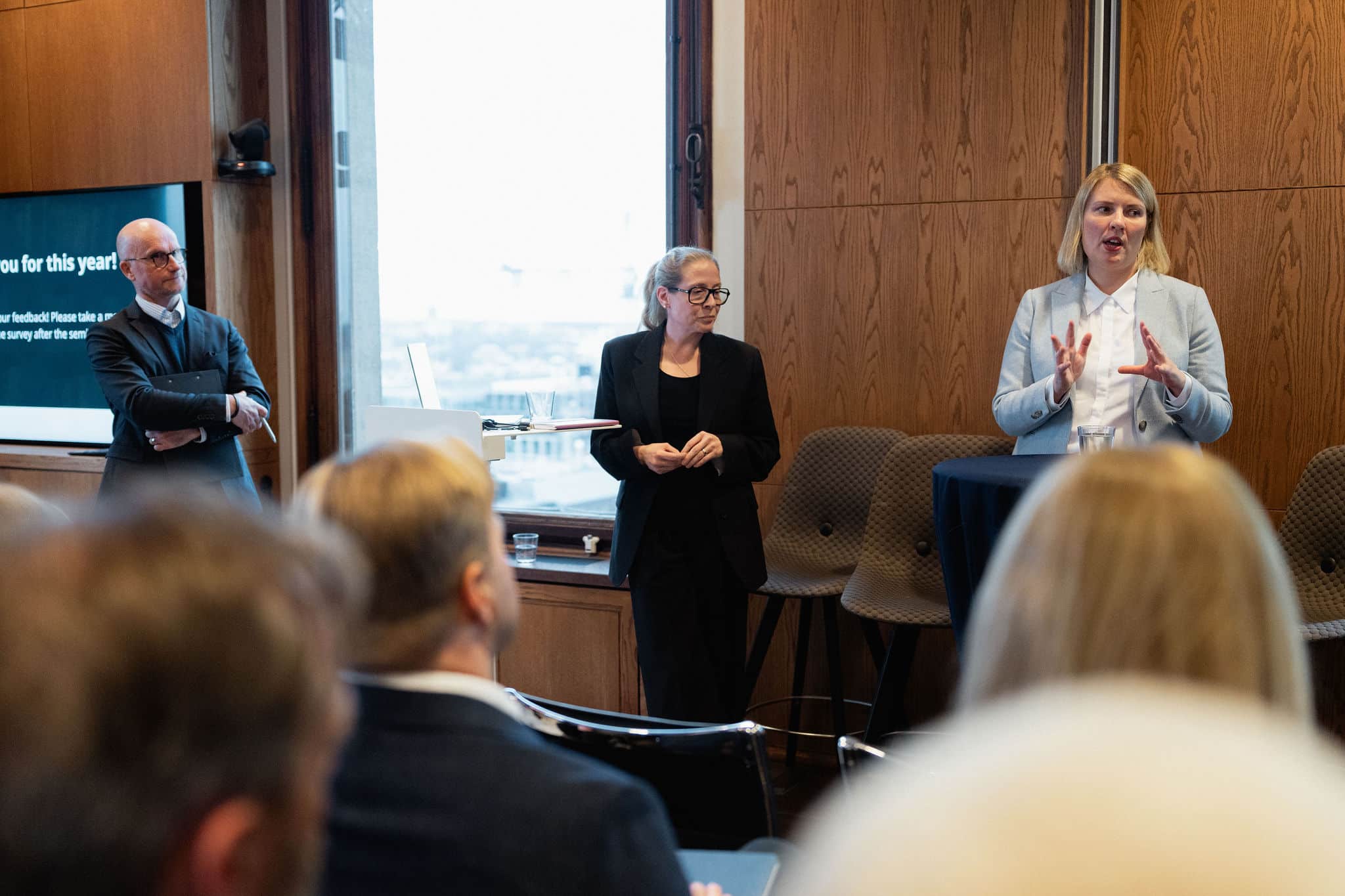
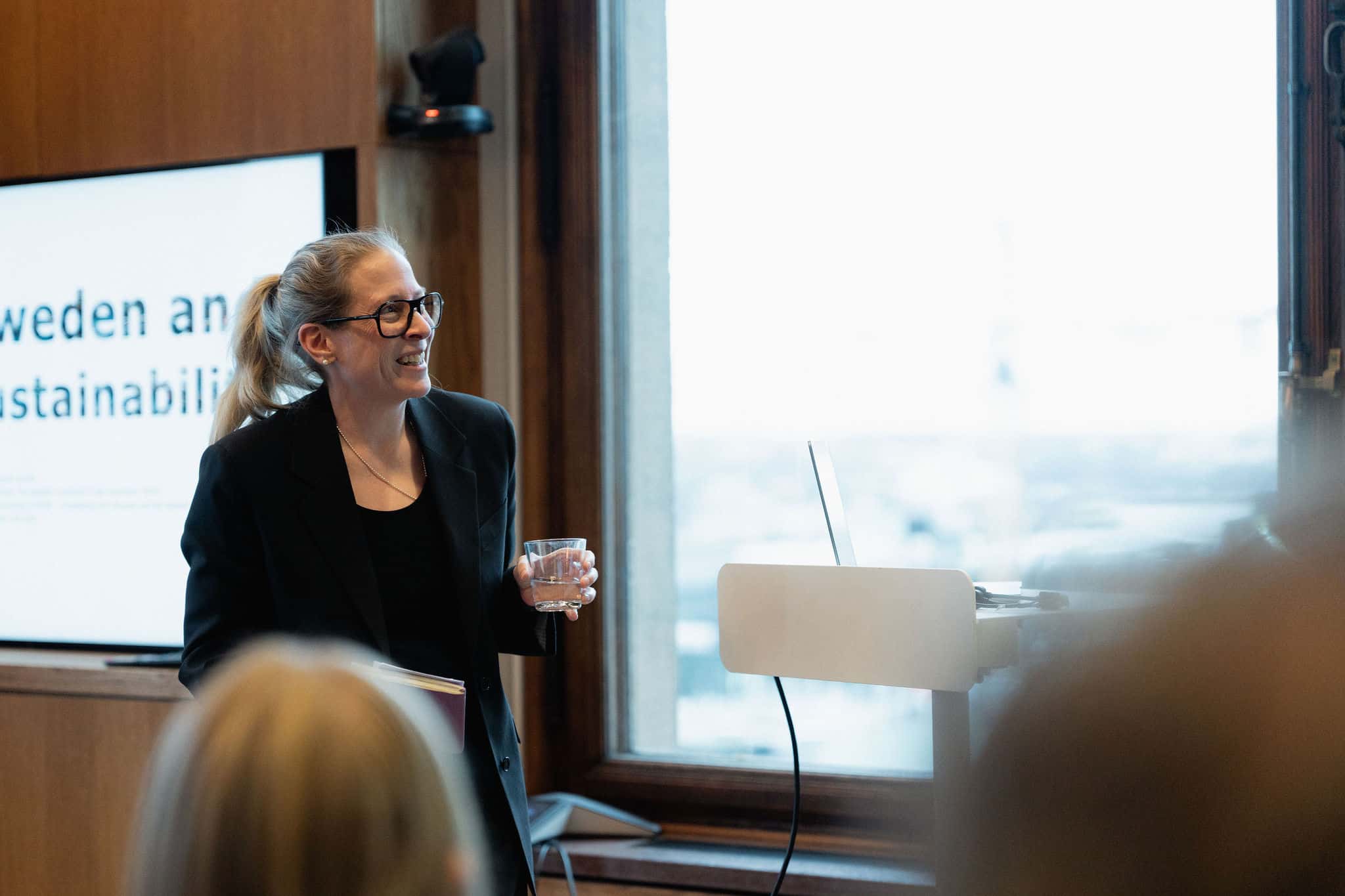
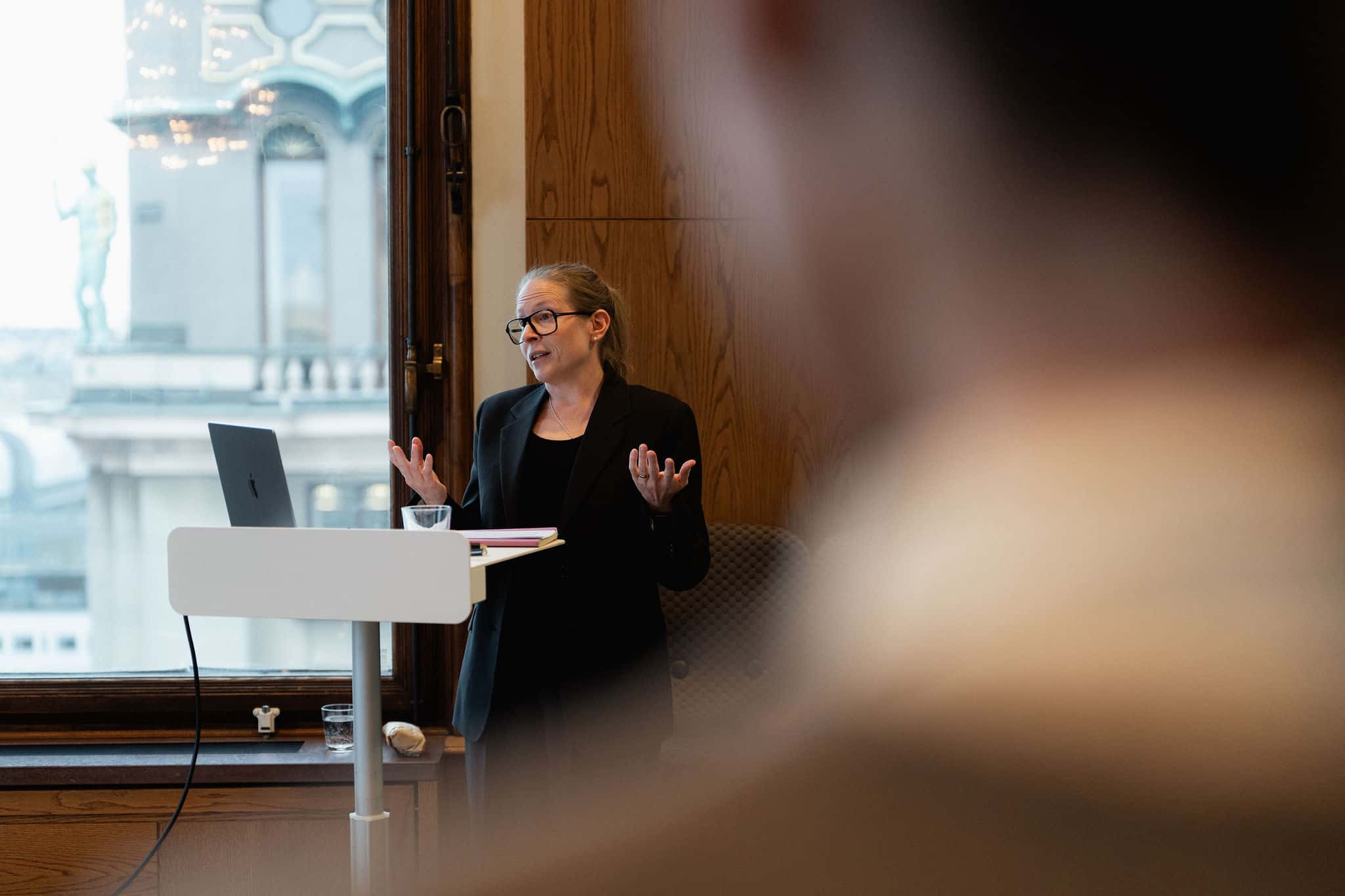
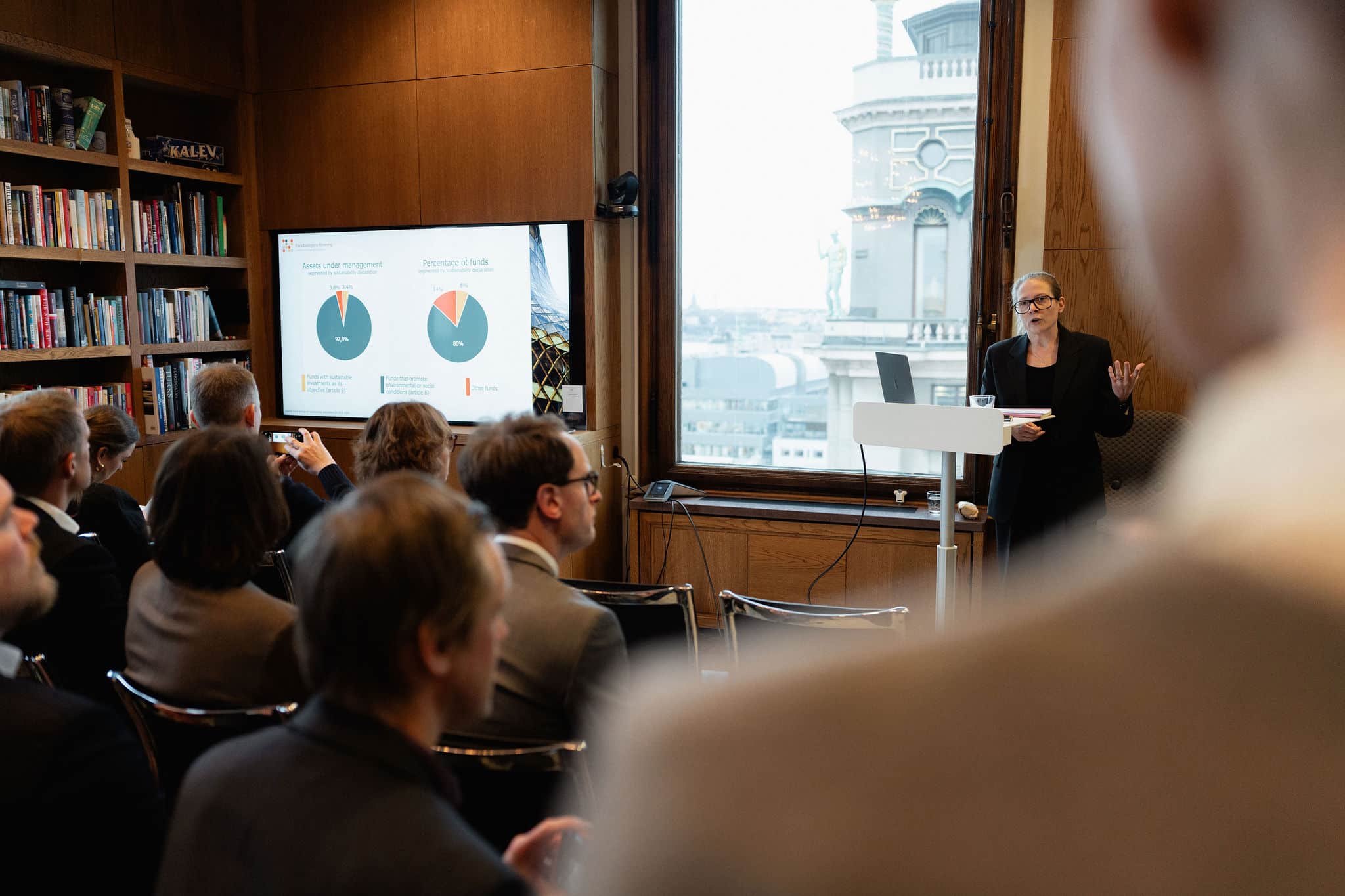
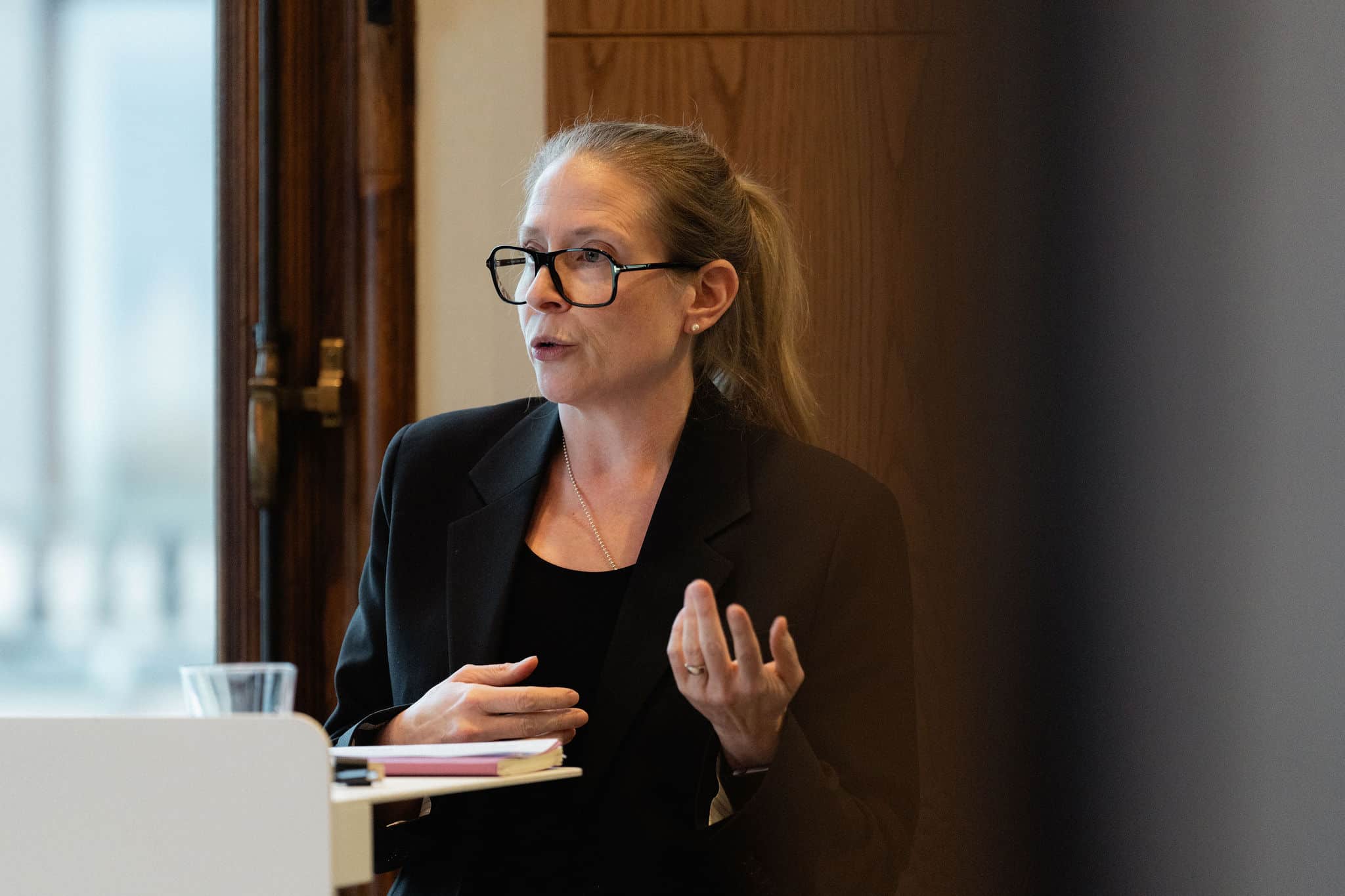
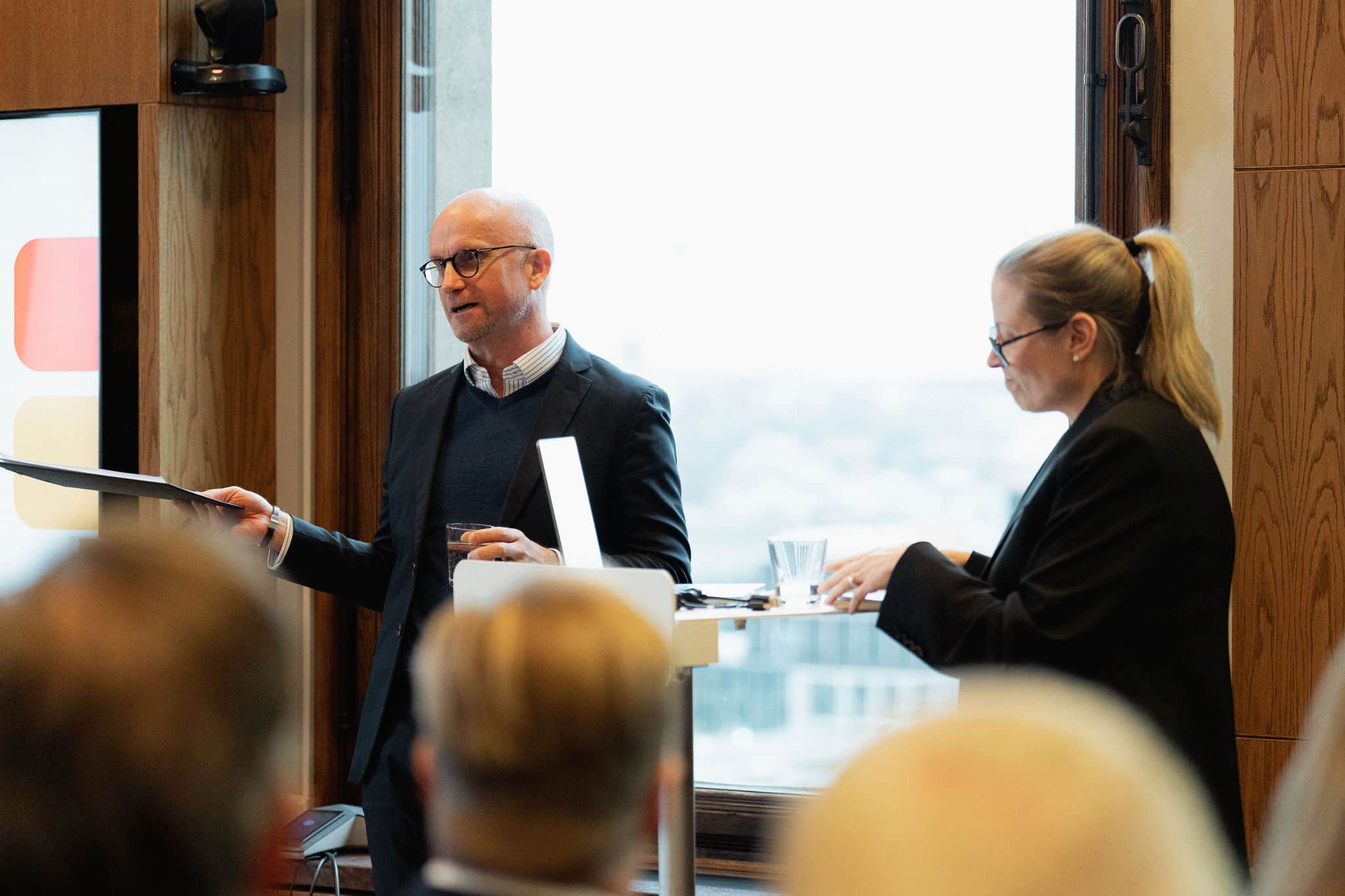
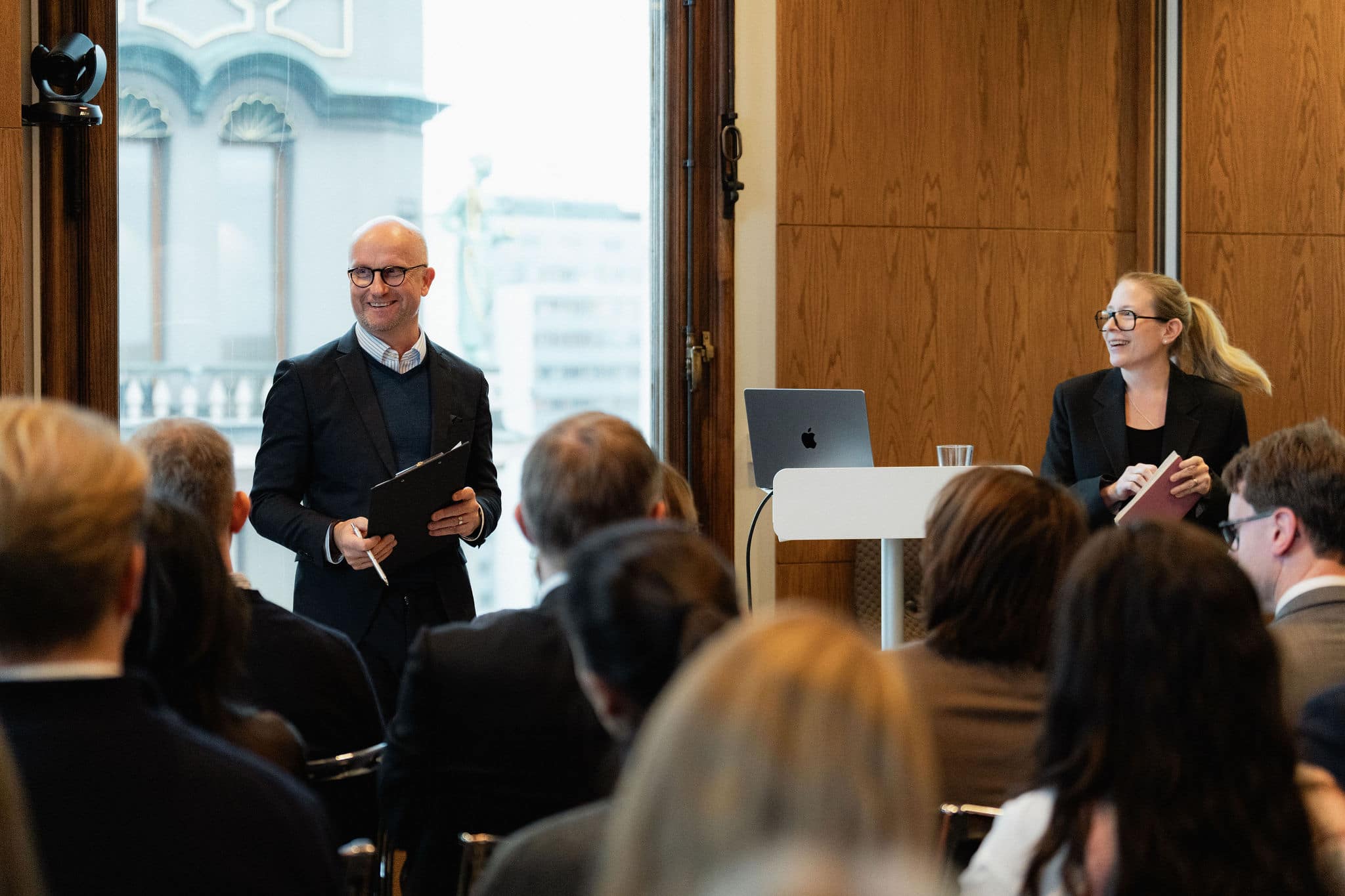

Foto: Jean Lapin
Seminar: Active ownership in a global context

Today, Swesif members had the opportunity to hear Dr. Emilio Marti, Associate Professor at Rotterdam School of Management, share key insights from his new report “Chains of Influence: Global Differences in ESG Shareholder Engagement and How Active Owners Can Leverage Them.”
A big thank you to Dr. Emilio Marti for an engaging presentation — and to all participants who contributed to an inspiring discussion!
Read the full report here
Seminarium: Hållbara investeringar i en ny geopolitisk verklighet

Idag samlade vi kapitalägare och förvaltare för att diskutera den förändrade geopolitiska situationen, som gör att synen på hållbara investeringar snabbt förändras.
Tack till Madelene Rydén och Anette Andersson för era värdefulla perspektiv på hur geopolitik, säkerhet och hållbar finans hänger samman, samt till Alexandra B Frenander, som modererade seminariet med stort engagemang.
Ett stort tack ska även riktas till alla Swesif-medlemmar som bidrog till en öppen och viktig diskussion! Det här är ett ämne som kommer att fortsätta vara högaktuellt – och som vi definitivt följer upp under nästa år.
Swesifs medlemsundersökning 2025

Till enkäten
Vi arbetar just nu med att utveckla vår strategi för de kommande åren och vill därför ta del av våra medlemmars erfarenheter och synpunkter. Som medlem är ert perspektiv ovärderligt – det hjälper oss att utveckla verksamheten, stärka medlemsnyttan och fokusera på det som är viktigast för er.
Undersökningen tar bara cirka 5–7 minuter och alla svar behandlas konfidentiellt.
Tack för att ni är med och bidrar!
Webinar: Do impact investments need to compromise returns?

On September 4, 2025, Swesif hosted a webinar on Impact Investing, moderated by Swesif board member Emma Sjöström (AP7).
Catherine Macaulay, Co-Head of Impact Management at Schroders, presented a new study conducted in collaboration with Oxford University (Saïd Business School). The empirical analysis challenged the common perception that genuine impact investments must come at the expense of returns.
Linda Sundberg, Head of Responsible Investment at the Church of Sweden, shared the church’s perspective on impact investing. With a strong ethical and sustainability-driven mandate, their approach demonstrated how capital can serve as a tool for positive societal change while also striving for long-term financial returns.
The webinar offered insights into both academic research and practical applications of impact investing, and gathered a strong audience from across Swesif’s network. We warmly thank our speakers and all participants who contributed with thoughtful questions during the Q&A.
Ett arv att bygga vidare på: Till minne av Henrik Malmsten
Den 3 augusti 2025 gick Henrik Malmsten, tidigare ordförande och styrelseledamot i Swesif hastigt bort.
Johan Florén, tidigare ordförande i Swesif, fick under flera år möjlighet att arbeta tillsammans med Henrik. Han minns honom så här:
”Henrik hade ett stort engagemang för hållbarhetsfrågor och gjorde en värdefull insats som ordförande för Swesif. Han hade en central roll i framtagandet av organisationens hållbarhetsprofil som sedermera blev en etablerad redovisningsstandard på den svenska fondmarknaden. Vi som arbetade med honom i detta sammanhang minns Henrik som en positiv humanist med ett outtröttligt intresse för en hållbar utveckling i alla dess former.”
Nuvarande ordförande, Jennie Ahrén, framhåller vikten av att Swesif fortsätter på den väg som tidigare styrelser lagt grunden för:
Henrik deltog i att etablera frågor som än idag är centrala för Swesif. Jag har inte själv haft möjligheten att arbeta tillsammans med Henrik, men som organisation fortsätter vi arbetet för en mer hållbar finansmarknad. I en tid då utmaningarna är omfattande är vi stolta över att Swesif historiskt har lyft betydelsen av dessa frågor och fortsatt gör det idag ”
Vi vill även uppmärksamma att en minnessida har upprättats där du kan ta del av minnen, lämna en hälsning eller hedra Henrik på ditt eget sätt: Minnessida för Henrik Malmsten.
Våra tankar går till Henriks fru och barn i denna svåra stund.
NordicSIF 2025

Here’s how we summed up The Future of Humanity – in just one minute!
We’re proud of how NordicSIF 2025 turned out, and deeply grateful to everyone who joined, spoke, and shared their insights on sustainable finance. This conference wouldn’t have been the same without you!
NordicSIF Conference 2025 – The Future of Humanity

This year’s NordicSIF conference attracted 220 participants, addressing the wide theme of “Future of Humanity”. It was set in a context of the global Sustainable Development Goals, our common compass for long-term systemic change. It included a deep-dive into four key topics: (1) The role of consumption, health and technology, (2) Peace and war, (3) Justice, diversity, equity and inclusion, and (4) A stalled climate transition.
The conference opened with a resounding call for long-term thinking in a short-term world. Moderator Katrine Kielos referred to David Attenborough who said: “The future of humanity and indeed all life on Earth now depends on us.” In a world driven by quarterly results and political cycles, Kielos challenged attendees to think bigger: What is the true purpose of capital? Recounting a personal moment from being faced with this question by an investor, she recalled being struck by the investor’s firm opinion: “The purpose of capital is to support life.” This foundational insight set the tone for the conference’s central theme and its significance for Nordic investors.
Keynote by Dr. Gunhild Stordalen
Food, Health, and Climate – Laying the Foundation for the Future of Humanity
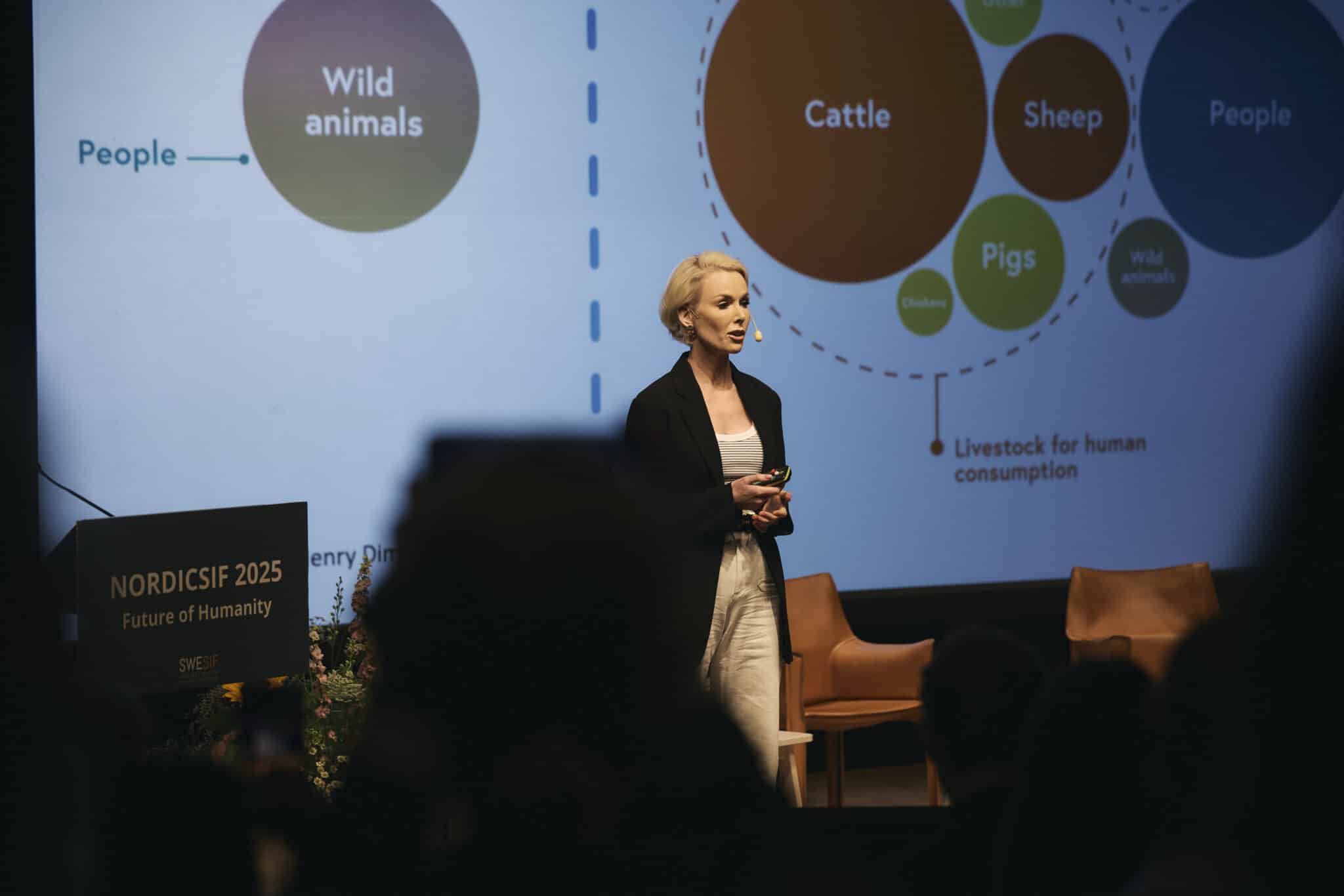
Dr. Gunhild A. Stordalen, co-founder and executive chair of the EAT Foundation, delivered a clear and urgent message to the investor audience: if we fail to fix the global food system, we fail to secure a liveable future.
Dr. Stordalen argued that food is often an afterthought in climate discussions, despite being the number one culprit for the transgression of the planetary boundaries. She presented the work of the EAT-Lancet Commission, the first scientific collaboration to integrate health and environmental considerations into a unified dietary framework. This has led to the concept of the Planetary Health Diet — a largely plant-based eating model designed to feed 10 billion people sustainably. According to Stordalen, transitioning to such a model could save 11 million lives each year and unlock $10 trillion in economic benefits, most of which would come from health improvements.
The financial sector, she emphasized, has a crucial role to play. She called for a redirection of capital toward regenerative agriculture, food waste reduction, and sustainable diets. This would require reshaping public subsidies, developing new investment metrics that account for climate and health risks, and building stronger public-private partnerships. Stordalen pointed to Norway’s sovereign wealth fund, which now assesses natural capital risks across 96 percent of its portfolio, as a model for how large-scale investment can evolve beyond traditional ESG standards.
With 162 countries now pledging to integrate food systems into climate strategies (as an outcome of COP23), momentum is building. However, she stressed that bold government action and serious financial commitment are still lacking. The upcoming EAT-Lancet 2.0 report, launching in Stockholm in October 2025, aims to provide an updated global framework to guide this transition.
Dr. Stordalen left the audience with the message that investors must recognize food as both a systems risk and a systems opportunity, and concluded with a question: “What will you do?”
Fireside Chat: Future Generations
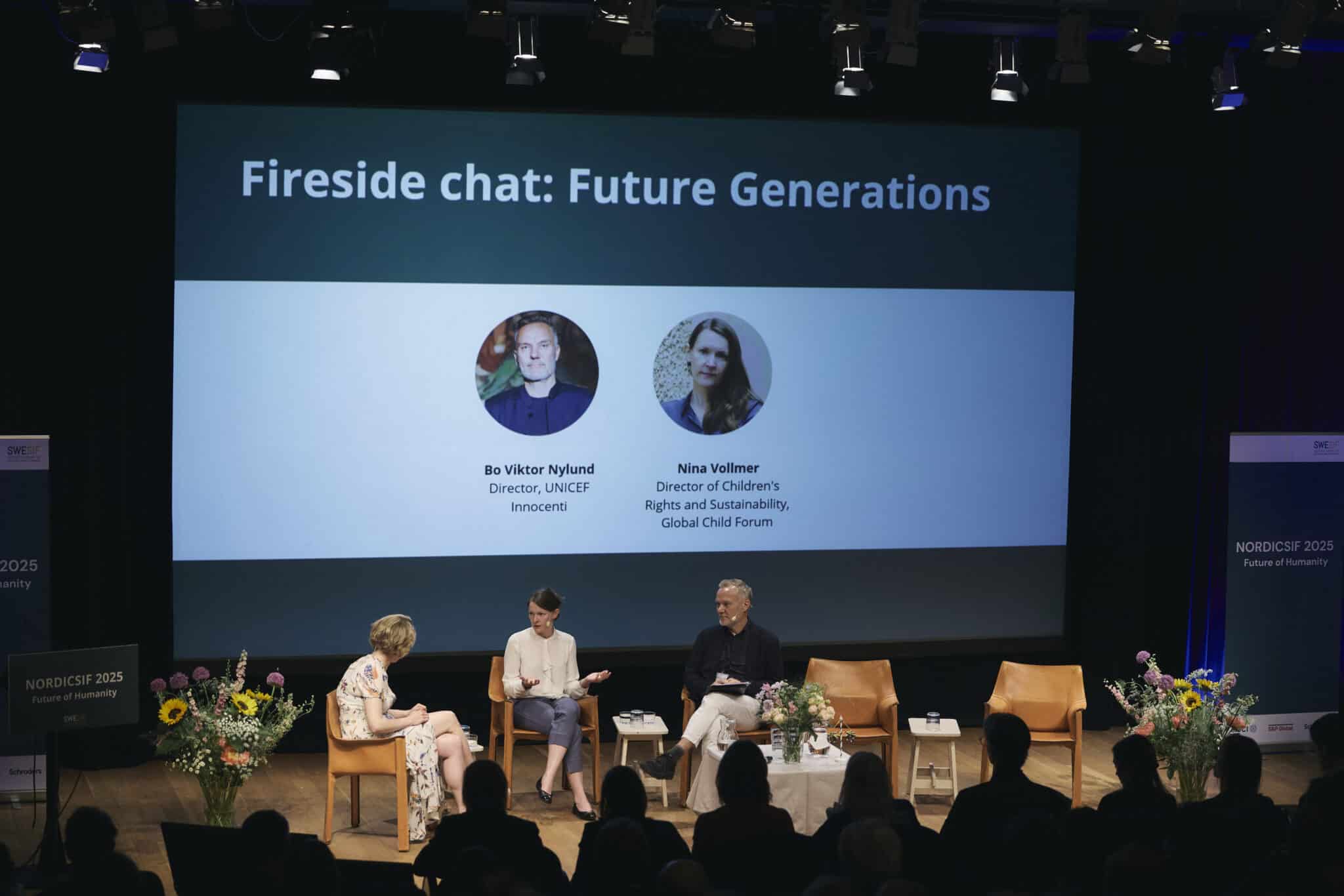
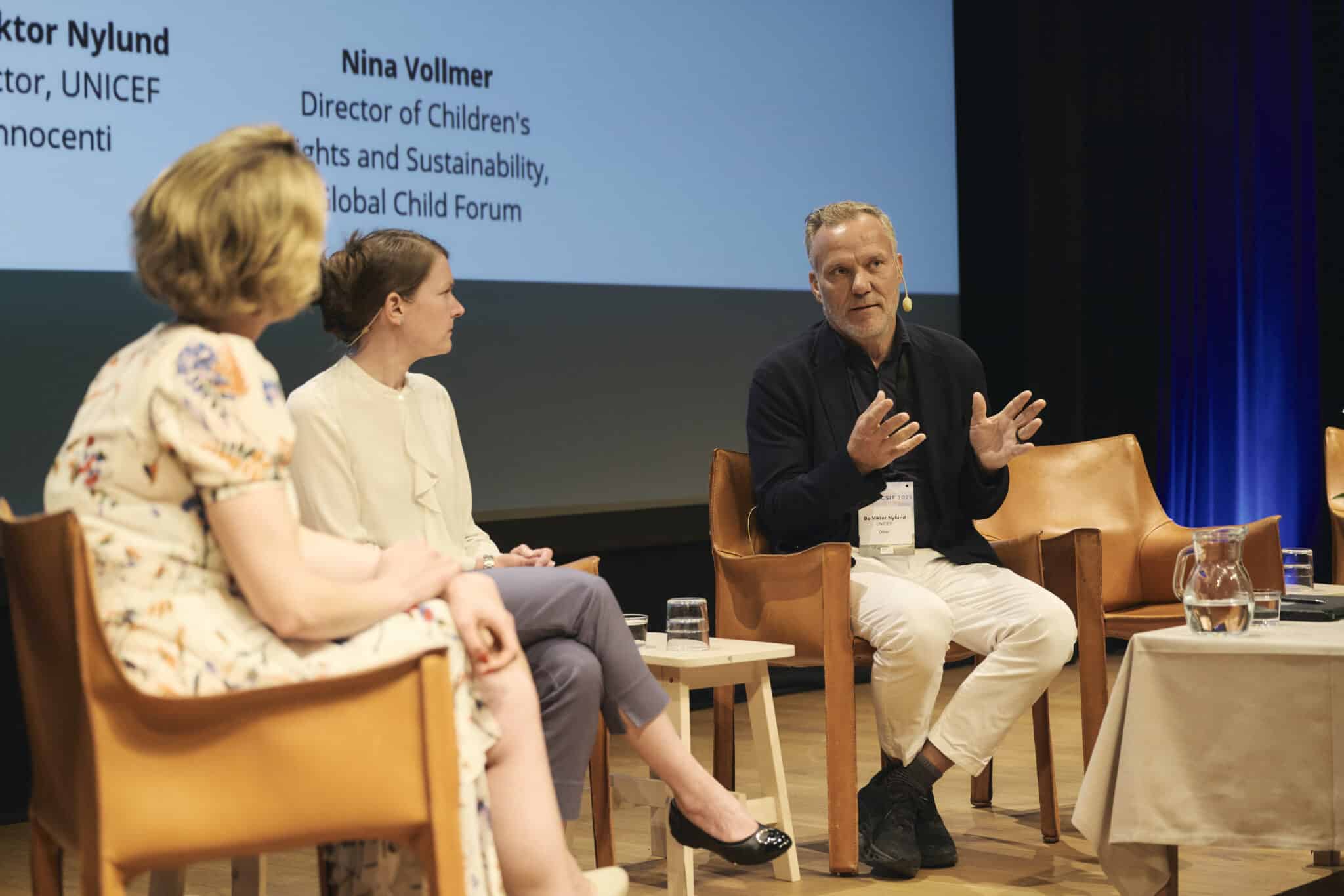
In the ensuing fireside chat, UNICEF Innocenti’s Bo Viktor Nylund and Global Child Forum’s Nina Vollmer offered a generational lens on sustainability. They highlighted digital risks, educational inequality, and child rights as critical considerations for investors. With Africa expected to house 40% of the world’s children by 2050, investors must engage globally and systemically.
Key insights for investors included the value of family-friendly policies, nutrition, and digital inclusion—areas where finance can have outsized, long-term impact. Investors were urged to stop “adult guessing” and start listening to children. Data scarcity must not block action; qualitative and context-specific insights can guide responsible investment that prioritizes future generations. Nina Vollmer highlighted that child labour continues to be a big problem, and urged investors to think about it in systems: Why is it happening and what is our role in it.
Sustainable Living – The Role of Consumption, Health & Technology
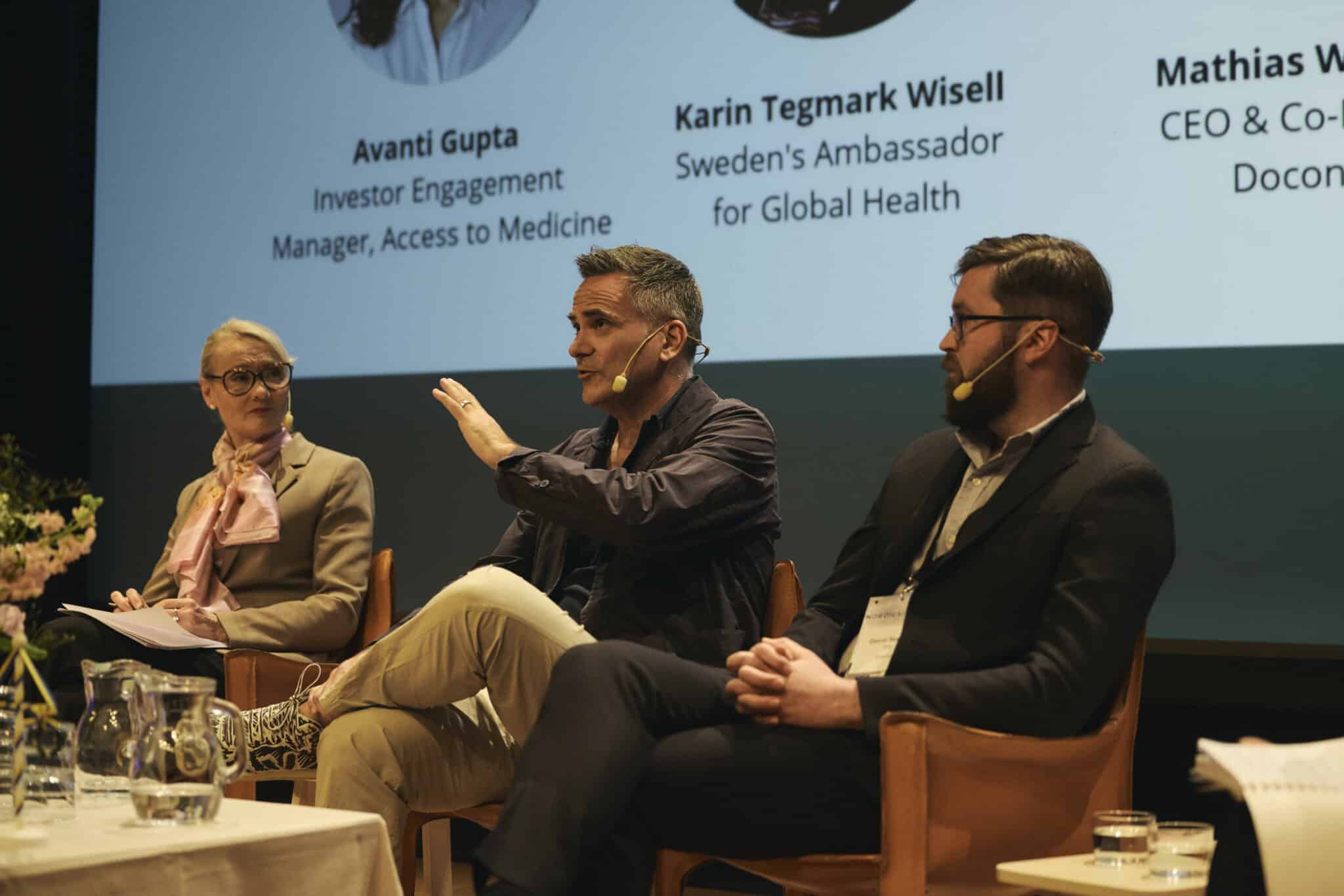
Keynote speaker Karin Tegmark Wisell, Sweden’s Ambassador for Global Health, emphasized that health is not just an individual matter—it is a systemic issue that impacts productivity, resilience, and equity. Public health is a prerequisite for global health, and with a 2 % increase in investment we can reach “50 by 50”, that is a 50% reduction in the probability of premature death (before age 70) by 2050. Investors should consider that returns on public health investments are real, measurable, and replicable.
The panellists, including Avanti Gupta of Access to Medicine Foundation, Mathias Wikström of Doconomy, and David Seekell of Atle and HealthInvest, urged investors to engage with the health sector through active ownership, support for early-stage health innovation, and by addressing global disparities. Notably, speakers highlighted that inclusive access to medicine and improved diets are both social and climate imperatives. Air quality, antibiotic resistance, and access to digital health are all investable themes with measurable impact. The clear message for sustainable investors: reframe health as an investable system risk and opportunity and use capital as a lever to drive both equity and resilience.
Peace and War – Responsible Investments
This panel was set against a backdrop of geopolitical instability. In his keynote address, Jakob Hallgren of the Swedish Institute of International Affairs outlined shifting global power dynamics and the need for greater European capacity. He pointed out that we all have responsibility and we all have agency.
Betrice Fihn, former Secretary General of ICAN, urged investors to move beyond emotional responses, and make sure to base decisions on facts and science. Eva Axelsson of Saab advocated for constructive engagement, noting the sector’s need for sustainability scrutiny in everything from climate to human rights and corruption. Jenny Gustavsson from the Ethical Council of the Swedish National Pension Funds suggested that in this complex situation investors need to hold on to a values-based approach: “Go back to who you are as an investor and what promises and commitments you have given to your clients. Revisit your red lines.”
Transparency, integrity, and contextual nuance emerged as essential investor tools. Ulrik Åshuvud of Transparency International pointed out that corruption affects every other sustainability issue. He invited investors to apply to be part of the Investor Integrity Forum.
The Nordic JEDI Warrior – Justice, Equity, Diversity, Inclusion (JEDI)
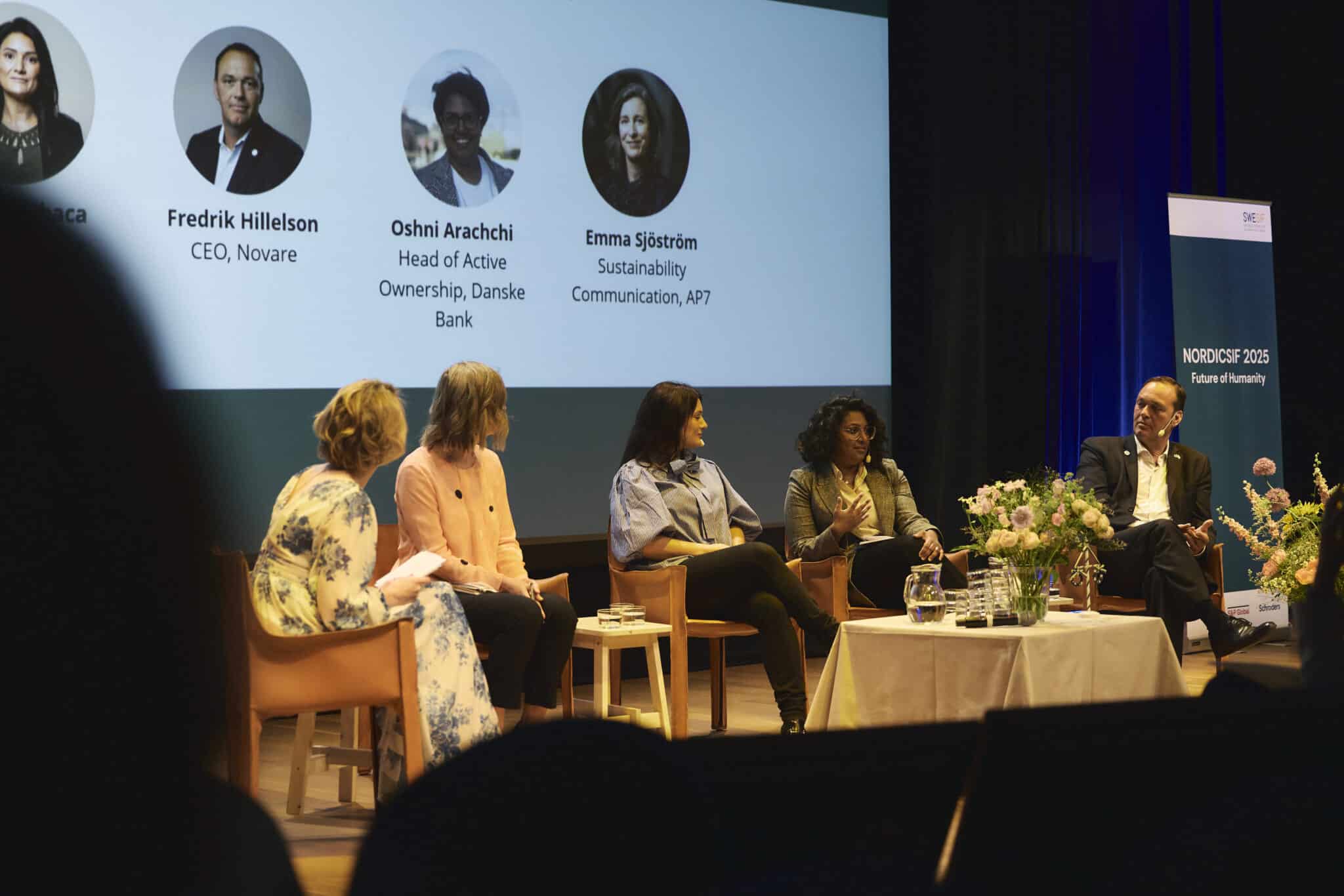
Led by Aygül Kabaca, the keynote redefined inclusion beyond “doing the right thing”, to see it as strategic resilience. DEI is a structural issue with material implications. Nordic exceptionalism must be earned, not assumed, argued Danske Bank’s Oshni Arachchi. She pointed out that there isn’t as much of a shared understanding of DEI within the investment community as we might think. Fredrik Hillelson of Novare emphasized the need to rethink biased recruitment and the lack of diversity in leadership. Data gaps—especially regarding ethnicity—remain a challenge in Sweden, but must not prevent progress. Emma Sjöström of Stockholm School of Economics and AP7 called for rigorous, unbiased research to understand the true business case for DEI.
The panel encouraged investors to not solely focus on demographic diversity, but also cognitive diversity and psychological safety. The takeaway: inclusion enhances problem-solving, innovation, and trust—core drivers of long-term financial returns.
A Stalled Climate Transition
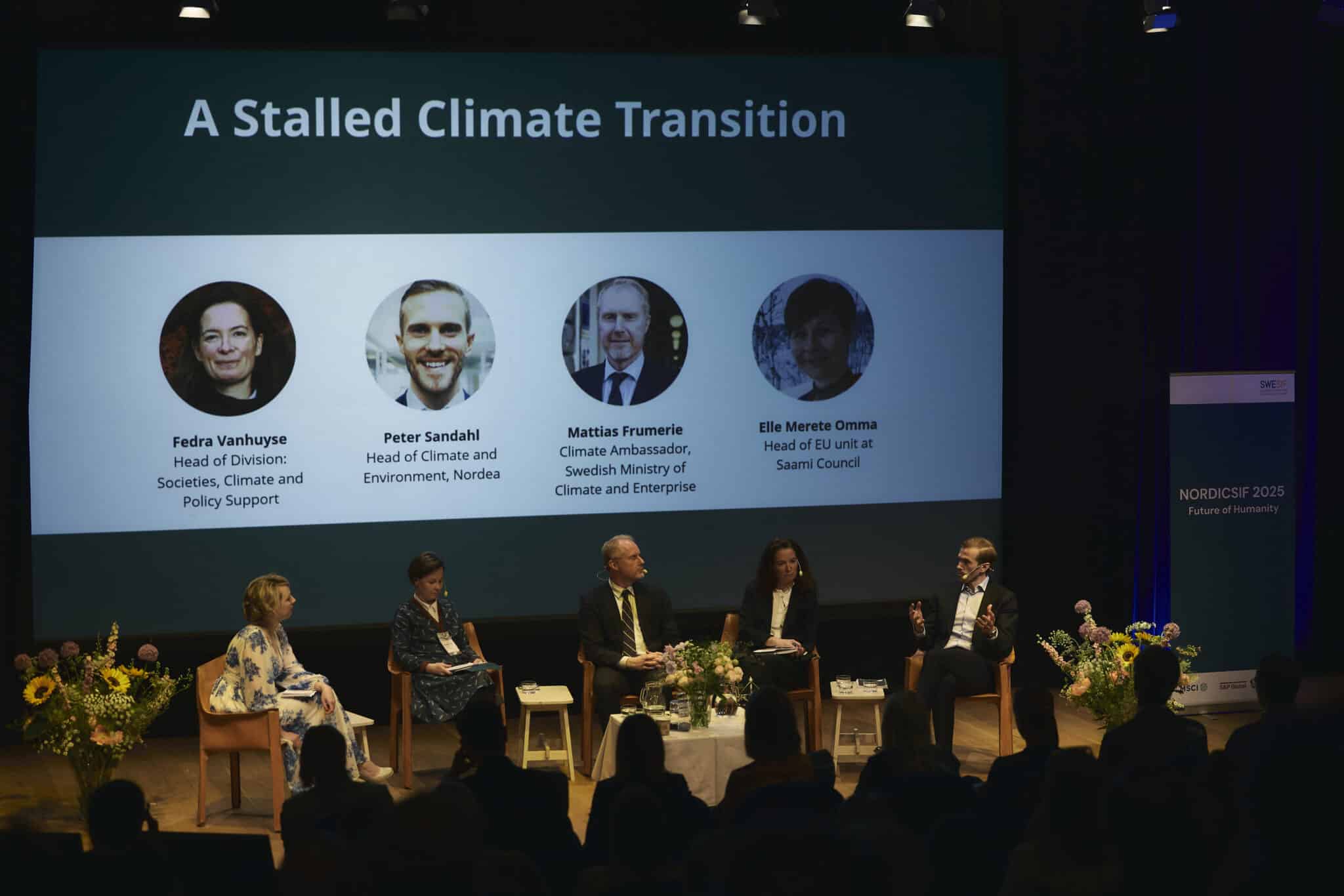
This session highlighted the systemic risks of inaction and the untapped opportunities in climate transition. Keynote speaker Fedra Vanhuyse from SEI warned that current financial models underprice climate risks, especially compound risks like droughts followed by floods. Investors must demand better risk tools and advocate for policy reform that aligns incentives with climate goals.
Mattias Frumerie, Sweden’s Head of Delegation to the UNFCCC, expressed that he is hopeful: All countries are expected to deliver NDCs this year, and they are increasing their ambitions. He senses a shift in the global conversation from doom to opportunities, and pointed out that Nordic actors have solutions, technology and financing. Nordea’s Peter Sandahl stressed that climate change needs to be put on the balance sheet of banks. He added that Nordic investors have been trailblazing for decades: “Stay firm in your leadership and use your voice”.
Sami Council’s Elle Merete Omma challenged investors to include Indigenous voices in climate risk frameworks, noting that decarbonization tools must not perpetuate historical injustices (and that “respect” is not a slogan). She noted that Indigenous people are among the most effective stewards of nature and should be seen as part of the solution.
Closing Reflections
In her final remarks, Swesif board chair Jenny Ahrén concluded that there seems to be a common theme in the conference discussions around a return to core values. She emphasized that sustainable finance must rediscover its foundational purpose, and reiterated the earlier point that the investment community is like the tip of the spear: where the tip goes the rest of the spear follows.
Save the date
The next NordicSIF will take place in Helsinki on August 25, 2026.
Emma Sjöström, Swesif Board Member
NORDICSIF 2025: OUR SPEAKERS
Fireside chat: Future Generations
 Bo Viktor Nylund is Director of UNICEF Innocenti, leading global research on children’s rights and futures. With over 30 years at UNICEF and UNHCR, he has held senior roles worldwide, focusing on child protection and humanitarian policy. He holds degrees from Columbia University and the Geneva Graduate Institute.
Nina Vollmer is Director of Children’s Rights and Sustainability at Global Child Forum. She leads work linking business to child rights and helped develop a benchmark assessing 1800+ companies. With 10+ years in human rights, she advocates for corporate practices that support children’s well-being.
Panel I: Sustainable Living – The role of consumption, health & tech
 Keynote speaker
Karin Tegmark Wisell has served as Sweden’s Ambassador for Global Health at the Ministry for Foreign Affairs since 2024. She has extensive experience in infectious disease control and public health, including roles as Senior Consultant at the Swedish Institute for Infectious Disease Control (2007–2020), Head of the Department of Microbiology at the Public Health Agency of Sweden (2014–2021), and Deputy State Epidemiologist during the COVID-19 pandemic. From 2021 to 2024, she was Director-General of the Public Health Agency of Sweden.
Avanti Gupta is Investor Engagement Manager at the Access to Medicine Foundation, where she connects with ESG and mainstream investors to align the Foundation’s work with investment needs. With a background in Biomedical Science and a Master’s in International Health Management, she has over a decade of experience in healthcare strategy, market research, and ESG insights.
Mathias Wikström is a Sweden-based sustainability leader and creative strategist. He co-founded Doconomy with Johan Pihl and has led globally recognized projects in finance, sustainability, and human rights.
David Seekell is the Head of Sustainable Investing at Atle and responsible for ESG at its healthcare focused subsidiary HealthInvest Partners. He was previously a university lecturer in Environmental Science at Umeå University, where he conducted award-winning research in the fields of sustainability and environmental science. David holds a PhD in Environmental Science from the University of Virginia and has additionally earned the Fundamentals of Sustainability Accounting (FSA) credential from the Sustainability Accounting Standards Board.
Panel II: Peace and War – Responsible Investments

Keynote speaker
Jakob Hallgren, Swedish Institute of International Affairs (UI)
He previously served as Ambassador for Disarmament and Non-Proliferation at the Swedish Ministry for Foreign Affairs. From 2018 to 2020, Jakob was Sweden’s Ambassador to the Republic of Korea (South Korea).
Eva Axelsson is Chief Sustainability Officer and Head of Group Sustainability at Saab AB, where she leads the company’s sustainability strategy and external engagement with regulators, industry bodies, and stakeholders. With over two decades of experience in sustainability across the public and private sectors—including nearly a decade in finance—Eva brings deep expertise in integrating ESG into complex organizations.
Beatrice Fihn has more than a decade of experience in disarmament diplomacy and civil society mobilisation through her work with ICAN, the 2017 Nobel Peace Prize Campaign coalition working to ban and eliminate nuclear weapons, the Women’s International League for Peace and Freedom and the Geneva Centre for Security Policy. Fihn was trained at University College London (UCL) in international law and at Stockholm University in international relations.
Jenny Gustafsson is Executive Director of the Council on Ethics for the Swedish National Pensions Funds, where she leads efforts to advance responsible investments and long-term sustainability. She has spent more than a decade integrating ESG into the finance industry, with previous leading roles as Head of Responsible Investments at both AMF and Handelsbanken.
Ulrik Åshuvud is Secretary General of Transparency International Sweden and an international lawyer with over 30 years’ experience in justice and migration policy. He has held senior roles in the Swedish Ministry of Justice and Migration Agency, and led international missions in conflict-affected regions, focusing on rule of law, anti-corruption, and sustainable governance.
DAY 2
The Nordic JEDI Warrior – Justice, Equity, Diversity, Inclusion

Keynote speaker
Aygül Kabaca is Senior Advisor at the AllBright Foundation and a DEI expert with over 15 years of experience in both public and private sectors. She previously served as COO and consultant at Make Equal, leading strategic inclusion initiatives. Aygül specializes in advancing gender equality and inclusive leadership, and is a sought-after speaker and moderator.
Fredrik Hillelson is founder and CEO of Novare Human Capital and Novare Executive Search, specializing in CEO and board recruitment. With over 20 years in the field, he has previous experience from Investor AB, 3, Accenture, and Scania. He holds a degree in labor law and HR from Stockholm University and an officer’s degree from the Swedish Naval Academy. Fredrik also launched the “Beredskapslyftet” initiative to support the healthcare sector during the COVID-19 pandemic.
Emma Sjöström is responsible for sustainability communication at AP7, where she serves primarily as the fund’s sustainability writer—working on everything from climate action plans and thematic reports to blog posts. She has a background as co-director of the Sustainable Finance Initiative at Misum, Stockholm School of Economics, where her research focused on ESG investment and active ownership from a management perspective. She holds a PhD on shareholder influence in corporate responsibility and has been a visiting fellow at the University of Hong Kong.
Oshni Arachchi is Global Head of Active Ownership at Danske Bank Asset Management and leads the Responsible Investment team in Sweden. With a background in human rights and sustainability, she has held key roles at ISS, Folksam, the UNDP, and the Danish Institute for Human Rights. She is also a guest lecturer at the Raoul Wallenberg Institute and member of The Taskforce on Inequality-related Financial Disclosures (TISFD) Europe & UK Regional Council.
Panel IV: A Stalled Climate Transition

Keynote speaker
Fedra Vanhuyse leads SEI’s Division, overseeing 40 researchers across four teams focused on sustainability transitions. She manages several Sida-funded projects in countries like Armenia, Bosnia, and Ukraine. Fedra is also the Finance and Procurement Strategist for Viable Cities, a member of Stockholm City’s Agenda2030 Council, and a visiting Professor at Ghent University since 2024.
Peter Sandahl is the Head of Climate & Environment and the Deputy Head of Group Sustainability at Nordea. Peter has broad experience in shaping global standards for carbon accounting, net zero alignment and transition planning for financial institutions. Besides his role at Nordea, he is a board member in the Partnership for Carbon Accounting Financials (PCAF) and a member of the Steering Group in the UN-convened Net Zero Banking Alliance (NZBA).
Mattias Frumerie serves as Sweden’s Head of Delegation to the UNFCCC and leads the country’s international climate diplomacy. He has previously held a range of senior positions at the Ministry for Foreign Affairs, including Head of EU Internal Market and Strategic Communications, and has served in diplomatic postings in Budapest and Brussels. He has also worked as an EU adviser at the Prime Minister’s Office, with experience in European policy and global climate negotiations.
Elle Merete Omma leads the Sámi Council EU Unit. She has previously served as Executive Secretary of the Arctic Council Indigenous Peoples Secretariat and Senior Advisor on Sámi Affairs at the Norwegian Ministry of Local Government. She holds a Master of Law from the University of Oslo and a Bachelor’s in Social Science from the Norwegian University of Science and Technology.
Sponsored by:

Seminar with Beatrice Crona: Doing Business within Planetary Boundaries

This morning, Beatrice Crona presented the report “Doing Business within Planetary Boundaries”, a synthesis of ten years of research integrating sustainable finance, ecological economics, and Earth system science.
The seminar focused on how businesses and investors can better assess nature-related risks and align their activities with planetary boundaries to support long-term sustainability.
Thank you to Beatrice and all participants for contributing to an engaging and insightful discussion.
NORDICSIF 2025: FUTURE OF HUMANITY
PROGRAM – DAY I
12:00-13:00 – Registration, lunch wrap & networking
13:00-13:10 – Moderator opens the conference
13:10-13:30 – Keynote speaker

13:30-14:00 – Fireside chat: Future Generations

14:000-14:30 – Coffee break
14:30-15:30 – Panel I: Sustainable Living – The role of consumption, health & tech

15:30-16:00 – Coffee break
16:00-17:00 – Panel II: Peace and War – Responsible Investments

17:10-17:20 – Round up day 1
17:30-21:00 – Drink & Mingle Dinner
PROGRAM – DAY 2
08:30-09:00 – Check in & coffee
09:00-09:10 – Welcome
09:10-10:10 – The Nordic JEDI Warrior – Justice, Equity, Diversity, Inclusion

10:10-10:40 – Coffee break
10:40-11:40 – Panel IV: A Stalled Climate Transition

11:40-12:00 – Round up day 2
Sponsored by:
Seminar: Partnership for Carbon Accounting Financials (PCAF)
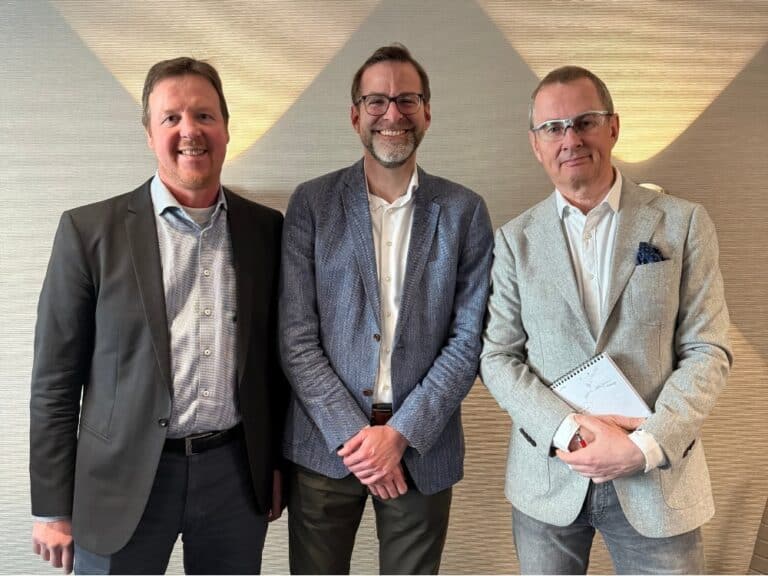
Den 19 mars anordnade Swesif ett seminarium där Marco Tormen, Europe Co-Regional Lead (DACHLi, Northern, Central & Eastern Europe) and Lead on Insurance-Associated Emissions, Stefan Henningsson, Lead Analyst på Nordea och Magnus Emfel, Senior Sustainability Strategist på Länsförsäkringar, delade de senaste uppdateringarna inom Partnership for Carbon Accounting Financials (PCAF). Stort tack till våra talare för era värdefulla insikter och till alla medlemmar som deltog!
Swesifs årsresumé 2024

2024 har varit ett intensivt och händelserikt år för Swesif, med många spännande möten och nya initiativ. Under året arrangerade vi 15 evenemang där vi hade glädjen att träffa både långvariga medlemmar och nya ansikten. Ett varmt välkomnande riktar vi till dig som nyligen blivit medlem eller deltog i något av våra evenemang för första gången.
Under 2024 har vi introducerat två nya eventformat. Med Medlemsperspektiv har våra medlemmar fått möjlighet att dela med sig av sitt arbete inom specifika teman, som i år inkluderade SFDR. Våra första Rundabordssamtal bjöd in till fördjupade diskussioner kring Ensam hållbarhetsansvarig och ARM.
Utöver detta har vi berört många aktuella och viktiga ämnen inom hållbara investeringar:
- CSRD och dess påverkan på hållbarhetsrapportering.
- Hållbara investeringar inom fastigheter och deras potential.
- Finansiell tillsyn, som blir allt grönare.
- Könsskillnader i sparande bland unga investerare.
- En klimatpolitisk analys av EU-valets utfall, som presenterades på vårt sommarmingel.
- Vattenfrågor i hållbara investeringar och deras betydelse för framtiden.
- En kritisk granskning av impact-mått inom hållbar finans.
- Antibiotikaresistens och finanssektorns roll i att motverka den globala krisen.
- Barns rättigheter online och investerares ansvar i frågan.
- På årets julmingel fick vi en spännande uppdatering från COP28 i Baku.
I mars höll vi vår årliga stämma, där styrelsen presenterade ett förslag på uppdaterade stadgar. Dessa röstades igenom vid extrastämman den 5 juni. För dig som missade detta och vill veta mer finns en sammanfattning och motivering att ta del av.
April bjöd på en särskild höjdpunkt när Cecilia Cisana, styrelseledamot i Swesif, valdes in i Eurosifs styrelse under deras årsstämma och generalförsamling. Vi ser fram emot rapporter från Bryssel och återkommer med mer information om samarbetet efter sommaren.
I början av sommaren deltog tre av våra styrelseledamöter vid årets Nordicsif-konferens, som anordnades av våra norska kollegor i Oslo. För den som vill läsa mer om de givande diskussionerna finns en detaljerad sammanfattning tillgänglig.
En viktig milstolpe under hösten var rekryteringen av Cajsa Wiking som Executive Director och Olivia Mahr som Project Coordinator. Deras ankomst stärker Swesifs kapacitet att driva initiativ för hållbara investeringar och öka engagemanget på den svenska marknaden.
Ett stort fokus för de nyrekryterade har varit planeringen för Nordicsif 2025, som Swesif står värd för den 4–5 juni. Boka in datumen redan nu – mer information kommer i början av nästa år. Dessutom har vi redan öppnat anmälan till tre spännande evenemang under våren 2025 i vår eventkalender på hemsidan.
Vi vill avslutningsvis rikta ett stort tack till alla våra medlemmar för ert engagemang och samarbete under året. Vi ser fram emot att fortsätta arbetet för hållbara investeringar tillsammans med er. Med detta önskar vi er en riktigt god jul och ett gott nytt år!